CBI arrests Bihar bank fraud accused Raja Bihari after 18-year absconding
Synopsis
Nearly 18 years after being declared a proclaimed offender, Raja Bihari — accused of defrauding Allahabad Bank using forged documents in Patna — was finally apprehended from Punpun in Bihar. The CBI's long-delayed catch, alongside a fresh conviction of a Bank of Baroda branch manager for bribery in Lucknow, underlines how India's financial crime cases can grind on for decades before closure.
Key Takeaways
CBI arrested proclaimed offender Raja Bihari on 5 November 2026 from Punpun, Bihar , nearly 18 years after the charge sheet was filed.
Bihari allegedly obtained loans from Allahabad Bank's Patliputra Colony Branch, Patna using forged title deeds and fake guarantor credentials in conspiracy with bank officials and middlemen.
The CBI had filed a charge sheet against 21 accused on 30 October 2009 ; the Special CBI Court took cognisance on 12 November 2009 .
In a separate case, a CBI court in Lucknow sentenced former Bank of Baroda branch manager Subodh Kumar Rastogi to 4 years' rigorous imprisonment and a fine of ₹30,000 for bribery.
Rastogi had allegedly collected around ₹25,000 from a borrower while disbursing a ₹1.25 lakh term loan from a ₹5 lakh sanctioned amount for a solar lights business.
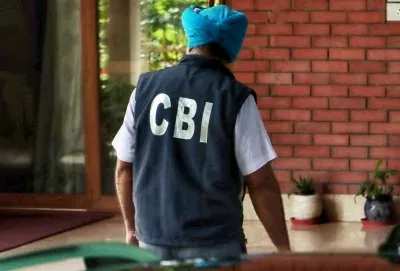
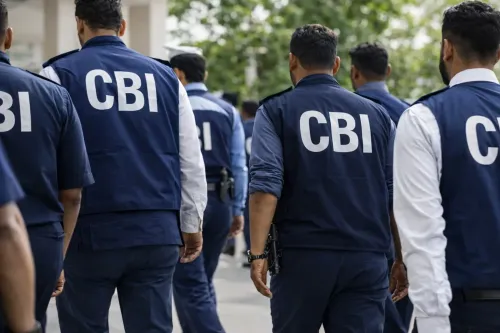
The Central Bureau of Investigation (CBI) on Thursday, 5 November 2026, arrested Raja Bihari, a proclaimed offender who had been absconding for nearly two decades, from Punpun in Bihar in connection with a bank fraud case dating back to the early 2000s. The arrest brings to a close a prolonged chase that had spanned multiple years of sustained intelligence work by a dedicated CBI team.
Background of the Fraud Case
According to officials, the CBI had originally registered the bank fraud case against 21 accused, including Raja Bihari, under provisions of the Indian Penal Code (IPC) and the Prevention of Corruption Act, 1988. Investigators found that Bihari had allegedly obtained loans from the Allahabad Bank's Patliputra Colony Branch in Patna through a conspiracy involving bank officials and middlemen, using forged title deeds, fabricated property documents, and fake guarantor credentials.
After completing its probe, the CBI filed a charge sheet on 30 October 2009 against all 21 accused. The Special CBI Court took cognisance of the charge sheet on 12 November 2009.
How Bihari Evaded Justice for 18 Years
Raja Bihari failed to join the investigation from the outset and remained at large throughout the trial proceedings. The Special Court subsequently declared him a Proclaimed Offender. Despite the formal designation, he managed to evade law enforcement for approximately 18 years — a period that underscores the challenges agencies face in tracking white-collar fugitives embedded within local communities. Acting on fresh intelligence inputs, a CBI team successfully traced and apprehended him from Punpun on Thursday.
Separate CBI Conviction in Lucknow Bribery Case
In a separate development, a CBI court in Lucknow convicted and sentenced Subodh Kumar Rastogi, former branch manager of Bank of Baroda's Balrampur branch in Uttar Pradesh, to four years of rigorous imprisonment and imposed a fine of ₹30,000 in a bribery case registered in 2015.
According to an official statement, Rastogi was found guilty of demanding and accepting illegal gratification from a borrower. The CBI had registered the case on 26 October 2015, based on a complaint filed by a businessman who had secured a loan of ₹5 lakh from the bank for the expansion of his solar lights business. The complainant alleged that while disbursing ₹1.25 lakh as a term loan, Rastogi collected approximately ₹25,000 under the guise of chartered accountant fees, stamp paper charges, and file processing expenses.
Significance of the Arrests and Convictions
These two cases together highlight the CBI's ongoing efforts to close long-pending bank fraud and corruption matters. The Bihari arrest is notable for the sheer duration of the fugitive's evasion — nearly two decades after a charge sheet was filed — and reinforces the agency's stated position that proclaimed offenders remain active targets regardless of elapsed time. Notably, banking fraud and corruption within public sector banks have been recurring concerns for Indian financial regulators, with cases often stretching over years before resolution.
Both developments are expected to draw attention to the pace at which financial crime cases move through India's court system and the persistent need for stronger fugitive-tracking mechanisms.
Point of View
Nearly two decades after his charge sheet was filed, is less a triumph than an indictment of the speed at which India's fugitive-tracking and judicial systems operate. That a proclaimed offender could remain at large in his home state for 18 years — not in a foreign country — raises hard questions about inter-agency coordination and the effectiveness of India's Proclaimed Offender statutes. The parallel conviction of a Bank of Baroda manager for a relatively modest bribery amount illustrates a different problem: the disproportionate time and institutional resources expended to reach verdicts in routine public-sector corruption cases. Together, they reflect a financial crime enforcement ecosystem that is capable of eventual resolution, but rarely timely enough to serve as a deterrent.
NationPress
5 Nov 2026
Frequently Asked Questions
Who is Raja Bihari and why was he arrested by the CBI?
Raja Bihari is an accused in a bank fraud case registered by the CBI, who had been evading arrest for approximately 18 years after being declared a Proclaimed Offender. He was arrested on 5 November 2026 from Punpun in Bihar. He is alleged to have obtained loans from Allahabad Bank's Patliputra Colony Branch in Patna using forged title deeds, fabricated property documents, and fake guarantor credentials in conspiracy with bank officials and middlemen.
When was the CBI charge sheet filed against Raja Bihari?
The CBI filed a charge sheet against Raja Bihari and 20 other accused on 30 October 2009. The Special CBI Court took cognisance of the charge sheet on 12 November 2009, after which Bihari absconded and was declared a Proclaimed Offender.
What happened in the separate Bank of Baroda bribery case?
A CBI court in Lucknow convicted former Bank of Baroda branch manager Subodh Kumar Rastogi and sentenced him to four years of rigorous imprisonment with a fine of ₹30,000. He was found guilty of accepting approximately ₹25,000 as illegal gratification from a borrower while disbursing a ₹1.25 lakh term loan from a sanctioned ₹5 lakh amount for a solar lights business. The CBI had registered the case on 26 October 2015.
What is a Proclaimed Offender under Indian law?
A Proclaimed Offender is a person who has been formally declared by a court as a fugitive from justice after failing to appear in proceedings despite being summoned or directed to do so. Once declared, law enforcement agencies are empowered to take additional steps — including attachment of property — to secure the person's presence.
What do these two CBI cases reveal about financial crime enforcement in India?
Both cases highlight the prolonged timelines in India's financial crime enforcement. The Bihar case took nearly 18 years from the original charge sheet to the accused's arrest, while the Uttar Pradesh bribery case took over a decade from registration to conviction. Critics argue that such delays reduce the deterrent effect of financial crime laws, though the CBI maintains that no case is closed until a verdict is reached.