Is Chennai Metro Water Board Ready to Use Robots for Pipeline Inspections?
Synopsis
Chennai's Metro Water Board is set to revolutionize pipeline inspections with robotic technology. Discover how this initiative will reduce road disruptions and improve the efficiency of monitoring the city's vital underground infrastructure.
Key Takeaways
Robotic inspections will help detect internal pipeline issues without road excavations.
The initiative aims to reduce road disruptions for the public.
Three types of robotic systems will be used for various pipeline sizes.
Inspections will be documented with digital reports for effective follow-up.
Technology is expected to enhance the reliability of Chennai's water and sewer systems .
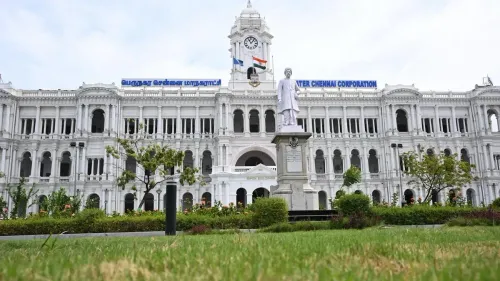
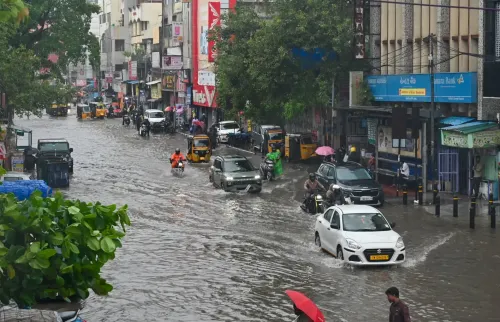
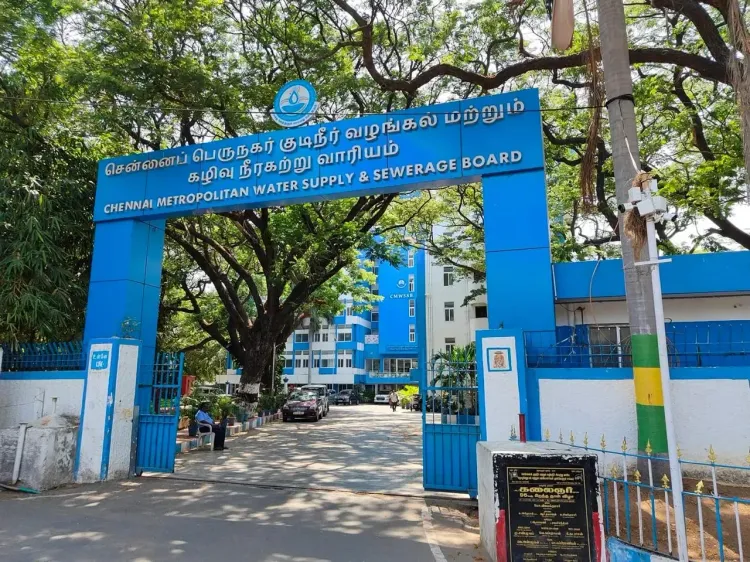
Chennai, Feb 3 (NationPress) The Chennai Metropolitan Water Supply and Sewerage Board (Metro Water) has taken a significant step by introducing cutting-edge robotic systems designed to inspect underground water and sewer pipelines throughout the city. This initiative aims to minimize road disruptions and enhance convenience for both motorists and pedestrians.
As part of this innovative project, robotic crawler cameras will be deployed within active pipelines to evaluate their internal state without the need for road excavation. These inspections will aid in detecting leaks, structural issues, contamination sources, blockages, and faulty connections—challenges that are typically hard to identify from the surface.
The plan outlines the use of three distinct types of robotic systems to inspect pipelines of different sizes, including small lines around 50 mm, medium pipelines of approximately 250 mm, and larger water mains and sewer lines measuring up to 1,000 mm and beyond.
Inspections are set to occur in designated areas across all 15 zones of Chennai. The robotic units come equipped with high-definition cameras and laser profiling tools capable of recording continuous video, taking still images, and mapping internal irregularities along the pipeline.
Engaged agencies will be required to provide comprehensive digital inspection reports, featuring videos, images, and defect maps to facilitate subsequent repair and replacement operations.
Gaurav Kumar, Executive Director of the Chennai Metropolitan Water Supply and Sewerage Board, emphasized the need for a dependable method to assess the conditions of aging pipelines without the constant need to dig up roads. He stated, “The aim is to minimize inconvenience and expedite issue detection,” noting that many sections of the city’s pipeline network are nearly 40 years old and increasingly prone to deterioration.
This decision follows a successful pilot project conducted in 2023, during which robotic inspections were executed in two phases covering approximately 2.5 km of pipelines. This initiative uncovered damage in several double-wall corrugated (DWC) pipes made from high-density polyethylene, which were subsequently replaced with cast iron pipes to enhance durability in multiple locations.
Encouraged by these results, Metro Water has issued a tender to hire specialized agencies for a two-year term to perform systematic robotic inspections. The selected agency must maintain a standby robotic system to prevent service interruptions and provide regular updates and inspection reports to Metro Water engineers.
Inspection teams are expected to operate for up to 10 hours daily. According to the tender specifications, payments will be based on the length of the pipeline inspected, with separate daily rates for operation and maintenance. The Board anticipates that this technology-driven approach will accelerate fault detection, minimize public disruption, and enhance the overall reliability of Chennai’s underground water and sewer systems.
Point of View
I believe that adopting robotic technology for pipeline inspections reflects a significant advancement in urban infrastructure management. This move not only promises to reduce disruption for citizens but also exemplifies how technology can enhance the reliability of essential services. Such initiatives are crucial for sustaining modern urban living.
NationPress
19 Sept 2026
Frequently Asked Questions
What is the purpose of deploying robotic systems?
The robotic systems are designed to inspect underground water supply and sewer pipelines to identify leaks, structural damage, and other issues without needing to excavate roads.
How does this technology benefit the public?
By reducing road cuts, the robotic inspections aim to ease inconvenience for motorists and pedestrians, improving traffic flow and safety.
What types of pipelines will be inspected?
The inspections will cover small, medium, and large pipelines, ranging from 50 mm to over 1,000 mm in diameter.
How will the inspection process be documented?
Agencies will provide detailed digital reports, including videos, images, and defect maps, to facilitate repair and maintenance.
Why is this initiative important now?
Many pipelines in Chennai are over 40 years old and prone to internal deterioration, making timely inspections crucial for maintaining infrastructure integrity.