How Does the China-Pakistan Alliance Impact India’s Security?

Synopsis
Discover how the China-Pakistan military alliance is reshaping India's security landscape. This insightful report reveals the implications of this partnership for India, emphasizing the need for vigilance and strategic planning amidst rising tensions.
Key Takeaways
China and Pakistan are strengthening military ties.
Increasing China-Pakistan cooperation could pressure India .
Deep-seated mistrust lingers between China and India .
India must navigate complex regional dynamics effectively.
Ongoing diplomatic efforts are essential for India's security.
Washington, Dec 26 (NationPress) China's strong military alliance with Pakistan is influencing India's security landscape, even as Beijing attempts to mitigate tensions along the Line of Actual Control (LAC) with New Delhi, as highlighted in a recent report from the US Department of War to Congress.
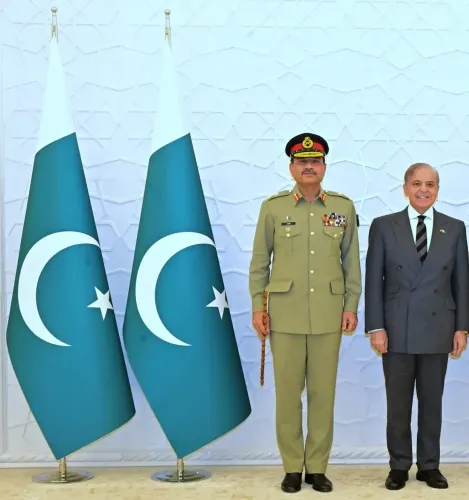
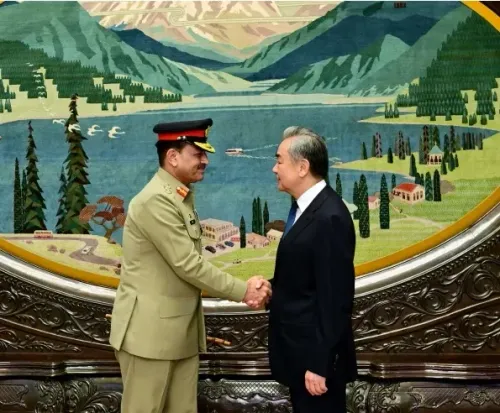
The document indicates that China and Pakistan are enhancing their defense cooperation, arms transactions, and military collaborations. Pakistan is characterized as China's most reliable and operationally significant military ally.
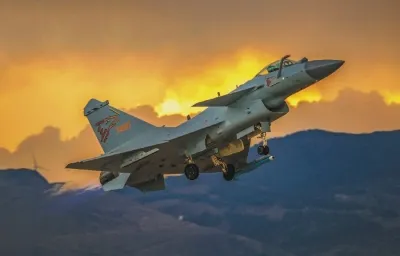
The partnership between China and Pakistan encompasses the transfer and joint production of various weapon systems, covering air, land, and naval capabilities. The report emphasizes that Chinese equipment is integral to Pakistan's military modernization.
As per the evaluation, Beijing employs military alliances to fulfill its foreign policy objectives. Arms sales, training initiatives, and collaborative exercises are pivotal strategies. Pakistan is notably a long-term recipient of this tactic.
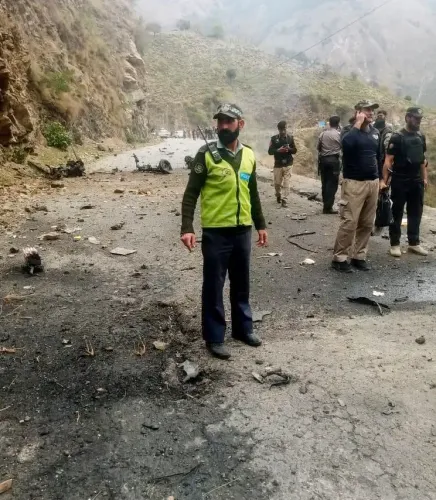
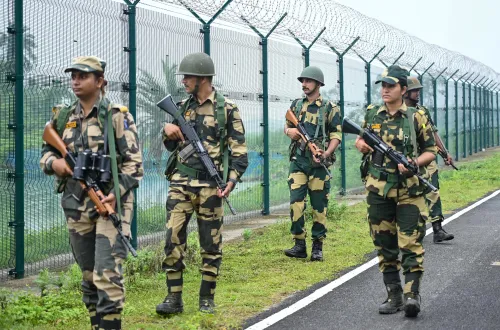
The report suggests that the China-Pakistan connection poses challenges for India. It raises the likelihood of pressure on India from both its northern and western borders during a crisis. Although the document does not forecast joint military operations, it indicates a growing synchronization in strategic interests.
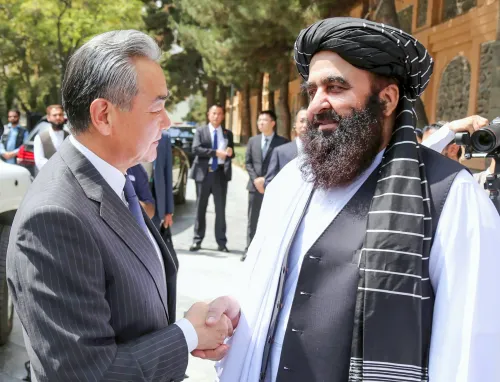
Simultaneously, the report mentions that China has taken minor measures to stabilize its border with India. In October 2024, leaders from India and China declared disengagement from the remaining standoff points along the LAC, followed by routine high-level discussions on border management.
Despite these efforts, deep-seated mistrust persists. It states that “ongoing mutual distrust and various irritants almost certainly constrain the bilateral relationship.” Beijing might aim for calmer borders to prevent closer US-India strategic ties.
The Pentagon report also noted that China's territorial claims include Arunachal Pradesh, linking such claims to its “core interests.” This places India's border dispute with China in a sensitive category.
China's extensive military buildup exacerbates India's worries. The report mentions that Beijing is swiftly enhancing its missile, cyber, space, and nuclear capabilities, impacting the broader power dynamics in Asia, including South Asia.
For Pakistan, support from China provides strategic advantages and diplomatic backing during challenging economic times. For India, this partnership amplifies fears of strategic encirclement.
The report also touched upon China's interest in securing access and logistics facilities in the Indian Ocean region, with some of these locations being near Pakistan's maritime routes. While no permanent Chinese bases are confirmed, the report suggests that such access could facilitate PLA operations.
This, the assessment noted, could complicate India's maritime security strategies, adding pressure beyond the land borders.
In conclusion, the report describes South Asia as a connected strategic region. China's relationships with Pakistan, its cautious engagement with India, and its expanding military capabilities converge in this area.
For New Delhi, the assessment emphasizes the necessity for vigilance. India must balance managing border tensions while gearing up for broader regional challenges. The report advocates for ongoing diplomatic efforts alongside security planning.
This document is part of a mandated annual review of China's military and security developments and reflects US concerns regarding Beijing's increasing influence in South Asia.
Point of View
I emphasize that the growing military ties between China and Pakistan merit serious attention from India. The complexities of these relationships highlight the need for a proactive and strategic response to ensure national security and regional stability.
NationPress
4 Oct 2026
Frequently Asked Questions
What is the China-Pakistan military alliance?
The China-Pakistan military alliance refers to the extensive defense cooperation, arms sales, and military engagement between China and Pakistan , which has significant implications for regional security.
How does this alliance affect India?
The alliance raises concerns for India as it suggests increased pressure from both northern and western fronts, potentially complicating India's security landscape.
What actions has China taken regarding its border with India?
China has made limited efforts to stabilize its border with India , including recent disengagement announcements and ongoing high-level talks.
What are China's territorial claims?
China's territorial claims include areas like Arunachal Pradesh , which it links to its core interests, complicating its relationship with India .
What is the significance of the US report?
The US report highlights growing concerns over China's military capabilities and its influence in South Asia , underscoring the need for India to remain vigilant.