China Weighs Potential Support for Iran Amidst Conflict
Synopsis
US intelligence reports indicate that China is considering a more active role in the Iran conflict while attempting to maintain a neutral image. The implications of this possible involvement are significant for global geopolitics.
Key Takeaways
US intelligence suggests China may consider active support for Iran.
Beijing aims to maintain a neutral image amid internal discussions.
Concerns arise over the impact of potential Chinese involvement on negotiations.
China has significant economic ties to Iran, complicating its stance.
The situation underscores the geopolitical stakes at play.
Washington, April 12 (NationPress) Recent US intelligence evaluations referenced by American news outlets indicate that China might be contemplating a more proactive involvement in the ongoing conflict in Iran, despite Beijing's intentions to avoid escalating the situation into a broader war.
A report from The New York Times highlighted that American intelligence agencies have collected data suggesting potential Chinese support for Iran, although officials have emphasized that this intelligence is not conclusive.
The report clarifies that there is currently “no evidence that the Chinese missiles have been deployed against American or Israeli forces during the conflict,” emphasizing the ambiguity surrounding these findings.
Nonetheless, US officials consider the mere possibility of Chinese engagement as noteworthy, given the significant geopolitical implications.
The report observed that Chinese leadership appears to be exercising caution. Officials in Beijing strive to present themselves as neutral participants, while discussions about backing Iran reveal a more intricate perspective.
Former officials mentioned in the report pointed out that Iran depends on China for essential components utilized in missiles and drones. However, Beijing can maintain that these components have civilian applications, enabling it to uphold plausible deniability.
According to the report, China is also suspected of providing limited intelligence assistance, though specific details remain sparse.
These developments arise as US and Iranian representatives engage in direct dialogue in Islamabad to stabilize a precarious ceasefire following weeks of conflict.
US officials are closely monitoring whether any external support could influence the negotiations or alter the ground dynamics.
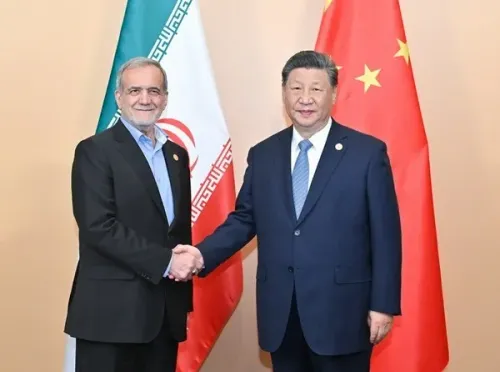
Analysts suggest that Beijing's strategy reflects a calculated approach. China has extensive economic relations with Iran and stands as its largest oil consumer, yet it also possesses strong motivations to prevent escalations that could disrupt global commerce.
The report points out that internal debates in China regarding the dispatch of missiles highlight the complex interplay of these interests.
Simultaneously, Beijing's public stance has emphasized restraint, with Chinese officials aiming to safeguard their reputation as neutral actors, particularly as they enhance diplomatic and economic ties in the Middle East.
Point of View
My perspective is grounded in a commitment to presenting unbiased, factual analysis. The potential for Chinese involvement in Iran raises critical questions about global stability and the balance of power in international relations.
NationPress
19 Sept 2026
Frequently Asked Questions
What is the current status of US-China relations regarding Iran?
US intelligence suggests that China may be considering a more active role in Iran's conflict, though Beijing aims to project neutrality.
What evidence do US officials have regarding Chinese support for Iran?
US agencies have gathered intelligence indicating potential Chinese support, but officials stress that this information is not definitive.
How could Chinese involvement affect the Iran conflict?
Any external support from China could shift the balance on the ground and impact ongoing negotiations for a ceasefire.
What is China's position on the Iran conflict?
China appears to be cautious, striving to present itself as a neutral party while internally debating the extent of its support for Iran.
Why is China's relationship with Iran significant?
China is Iran's largest oil customer and has deep economic ties, making its involvement in the conflict particularly consequential.