Coimbatore flyover AI speed cameras stuck at 80% accuracy, enforcement delayed
Synopsis
Three months in, Coimbatore's much-anticipated AI speed enforcement system on the G.D. Naidu Flyover is still a work in progress — accuracy has climbed from a dismal 20% to 80%, but that is not enough to go live. Until it does, speeding on one of the city's busiest corridors goes largely unchecked.
Key Takeaways
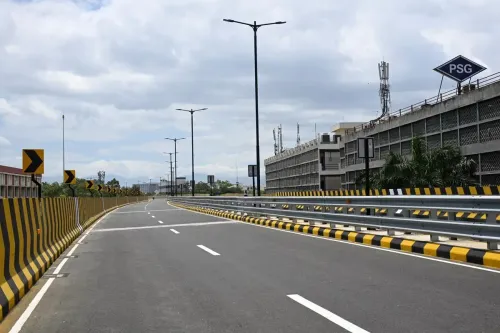
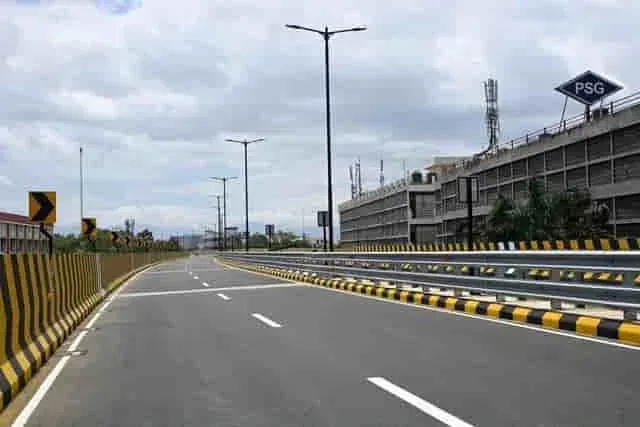
44 AI-enabled cameras and 16 digital display boards were installed on the 10.1-km G.D.
Naidu Flyover in Coimbatore .
The system has been in the trial phase for more than three months and no traffic challans are being issued yet.
AI software accuracy improved from roughly 20 per cent to nearly 80 per cent through data training and software refinement.
Commuters have reported misidentification of violations, particularly around seat belt detection, with glitch videos circulating on social media.
Officials expect the system to go fully operational within the next month after further calibration.
An AI-powered speed enforcement system installed on the G.D. Naidu Flyover in Coimbatore, Tamil Nadu, remains in the trial phase more than three months after installation, with technical accuracy concerns continuing to delay the rollout of automated traffic penalties on one of the city's busiest elevated corridors.
What the System Was Meant to Do
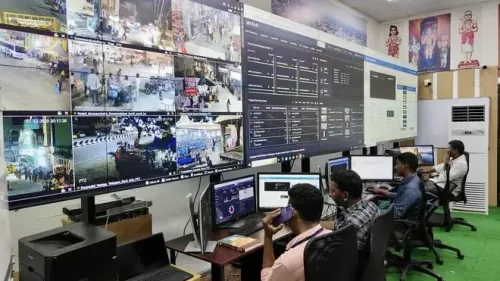
Authorities installed 44 AI-enabled cameras and 16 digital display boards along the 10.1-km flyover to automatically detect speed violations and reduce dependence on manual traffic enforcement. The flyover was originally built to ease congestion, but officials say its uninterrupted stretch has instead encouraged motorists to drive well above the prescribed speed limit, raising the risk of accidents.
Where the Trial Stands
According to the State Highways Department, the AI software initially recorded an accuracy level of around 20 per cent, which has since improved to nearly 80 per cent through continuous data training and software refinement. However, officials say the system must achieve a higher threshold before it can be cleared for regular enforcement. The private firm responsible for installing and operating the system has been instructed to rectify the remaining defects.
Commuter and Police Concerns
At a recent road safety review meeting, traffic police urged the Highways Department to expedite the trial, noting that the prolonged testing period has curtailed their ability to regulate speeding effectively. Motorists have also raised reliability concerns — several commuters have reported that the cameras occasionally misidentify violations, particularly in detecting seat belt compliance. Videos purportedly showing technical glitches have circulated on social media, prompting fears among vehicle owners of wrongful penalties.
Traffic police clarified that no challans or fines are being issued during the testing phase, and that enforcement will begin only after the technology meets the required accuracy standard.
What Happens Next
The Highways Department has sought temporary traffic restrictions on parts of the flyover to facilitate further calibration, as certain corrections reportedly cannot be carried out while vehicles are in motion. Officials expect the system to complete its trial phase and become fully operational within the next month, after which automated enforcement of traffic violations on the flyover is expected to commence.
Point of View
And that wrongful challans on a high-volume urban flyover would be a legal and reputational disaster for the department. The real question is why a system with such a low baseline accuracy was installed and publicised before it was ready. Tamil Nadu has invested in AI traffic enforcement as a showcase initiative, but the Coimbatore rollout risks becoming a cautionary tale about deploying unvalidated technology on live infrastructure. The month-long deadline officials have set deserves close public scrutiny.
NationPress
13 Oct 2026
Frequently Asked Questions
Why is the AI speed enforcement system on the G.D. Naidu Flyover not yet operational?
The system remains in the trial phase because its accuracy has not yet reached the level required for lawful enforcement. Accuracy has improved from around 20 per cent to nearly 80 per cent, but officials say further calibration is needed before penalties can be issued.
Are traffic fines or challans being issued on the Coimbatore flyover right now?
No. Traffic police have confirmed that no challans or fines are being generated during the testing phase. Enforcement will begin only after the AI system achieves the required accuracy standard and is formally approved for operation.
What technical problems have been reported with the AI cameras?
Commuters have flagged that the cameras occasionally misidentify violations, particularly in detecting seat belt compliance. Videos purportedly showing these glitches have circulated on social media, raising concern among vehicle owners about the risk of wrongful penalties.
When is the system expected to go live?
Officials from the State Highways Department expect the trial phase to conclude and the system to become fully operational within the next month, subject to the private firm completing the required technical corrections.
How many cameras and display boards are installed on the flyover?
A total of 44 AI-enabled cameras and 16 digital display boards have been installed along the 10.1-km G.D. Naidu Flyover in Coimbatore to detect speed violations and relay real-time information to motorists.