Narmada illegal sand mining: Congress flags Sehore breach of monsoon ban

Synopsis
Despite a formal Sehore district ban on sand mining since 26 June, Congress leader Arun Yadav has posted videos alleging active extraction from the Narmada at Budhni — and is publicly asking whether the mining mafia has government protection. With the Narmada sustaining over a third of MP's population, the allegation puts the state administration under direct accountability pressure.
Key Takeaways
Former MP Congress president Arun Yadav alleged on 4 July 2026 that illegal sand mining was continuing in the Narmada River at Babri–Jajan village , Sehore district.
Sehore District Collector Balaguru K had already banned all sand mining in the district from midnight 26 June 2026 until 1 October 2026 .
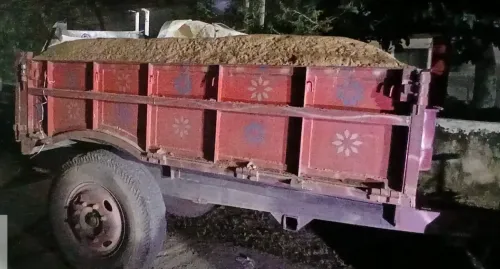
Yadav shared videos and photographs on X , alleging extraction via 'panna doobis' in violation of the ban.
Under MP mining rules, riverbed sand excavation is suspended statewide from June to October each year.
The Narmada supports more than 33% of Madhya Pradesh's population; illegal monsoon mining risks bank erosion, aquatic damage, and flooding.
The Madhya Pradesh government had not responded to the allegations as of the time of reporting.
Former Madhya Pradesh Congress president Arun Yadav on Saturday, 4 July alleged that illegal sand mining was actively continuing in the Narmada River despite a state-wide monsoon ban, with the Sehore district administration having already imposed a complete prohibition on all sand extraction since 26 June 2026. Yadav shared videos and photographs on his official X account, claiming mining operations were underway at Babri–Jajan village in Budhni Assembly constituency, Sehore district.
What Yadav Alleged
The Congress leader claimed that sand was being extracted from the Narmada riverbed through 'panna doobis' — a method involving submersible pumps — in direct violation of official orders. He questioned whether the alleged mining mafia enjoyed political backing from the ruling establishment. 'Has the mining mafia been given protection by the government? If not, why has the administration remained silent?' Yadav wrote in his post.
He demanded immediate intervention to halt the alleged illegal operations and called for strict legal action against violators to protect the Narmada's ecological integrity.
The Sehore Ban and Its Scope
The allegations carry added weight given that Sehore District Collector Balaguru K had issued a formal order prohibiting sand mining at all approved quarries in the district from midnight on 26 June 2026. The ban remains in force until 1 October 2026, in line with state mining regulations designed to protect river ecosystems and ensure public safety during the monsoon season.
Under these rules, sand excavation in riverbeds across Madhya Pradesh is suspended from June to October each year due to elevated water levels, heightened flood risk, and the ecological vulnerability of aquatic habitats during the rains. District administrations are mandated to intensify riverbank monitoring throughout this period.
Why the Narmada Is Critical
The Narmada is the lifeline for more than 33 per cent of Madhya Pradesh's population, flowing through several districts including Sehore. Illegal mining during monsoon is considered especially damaging — it accelerates bank erosion, disrupts aquatic biodiversity, and can worsen downstream flooding by altering the river's natural course.
This is not an isolated allegation. Illegal sand mining along the Narmada has been a recurring political flashpoint in Madhya Pradesh, with opposition parties regularly raising the issue and courts having previously intervened on river-protection grounds.
Political Context and What Comes Next
The charges come amid heightened scrutiny of sand mining enforcement in the state during the current monsoon. The Budhni constituency — where the alleged mining is said to be occurring — has historically been a politically sensitive area. The Madhya Pradesh government has not issued an official response to Yadav's allegations as of the time of reporting.
Whether the state administration orders an inquiry or takes enforcement action in Sehore will be closely watched, particularly given the documented ban already in place and the photographic evidence Yadav claims to have shared publicly.
Point of View
The constituency is politically loaded, and the visual evidence is public. But the deeper issue is structural: Madhya Pradesh has seen this cycle repeat for years, with monsoon bans on paper and extraction on the ground. The real accountability test is not whether the government responds to Yadav, but whether the Sehore district administration that issued the ban is now willing to enforce it against the same interests it presumably knew were operating. Silence from the state in the days ahead will be its own answer.
NationPress
3 Oct 2026
Frequently Asked Questions
What did Arun Yadav allege about Narmada sand mining?
Arun Yadav alleged on 4 July 2026 that illegal sand mining was actively taking place in the Narmada River at Babri–Jajan village in Sehore district's Budhni constituency, despite an official monsoon ban. He shared videos and photographs on X as evidence and questioned whether the mining mafia had government protection.
Is there an official ban on sand mining in Sehore?
Yes. Sehore District Collector Balaguru K issued an order prohibiting sand mining at all approved quarries in the district from midnight on 26 June 2026. The ban remains in effect until 1 October 2026, in line with state mining regulations.
Why is sand mining banned during monsoon in Madhya Pradesh?
Under MP mining rules, sand excavation in riverbeds is suspended from June to October each year due to rising water levels, increased flood risk, and ecological vulnerability of aquatic habitats. District administrations are required to intensify riverbank monitoring during this period.
Why is the Narmada River significant for Madhya Pradesh?
The Narmada is considered the lifeline of Madhya Pradesh, sustaining more than 33 per cent of the state's population. It flows through several districts including Sehore. Illegal mining during monsoon can accelerate bank erosion, damage aquatic life, and worsen downstream flooding.
Has the Madhya Pradesh government responded to the allegations?
As of the time of reporting, the Madhya Pradesh government had not issued an official response to Yadav's allegations. Whether the state administration orders an inquiry or directs enforcement action in Sehore remains to be seen.