Congress launches caste census campaign in Tamil Nadu, targets Centre's OBC data method
Synopsis
The Tamil Nadu Congress has opened a new front in the national caste census debate — not just demanding a count, but challenging how it is done. By targeting the Centre's open-ended OBC question as a deliberate design flaw rather than an administrative gap, the TNCC is framing the methodology itself as a social justice issue, with Dravidar Kazhagam's K. Veeramani lending significant political weight to the launch.
Key Takeaways
TNCC launched a statewide caste census campaign on Thursday, 18 September 2026 , covering 10 major cities in Tamil Nadu.
The campaign opposes the Centre's use of open-ended questions for OBC data collection, demanding a predefined drop-down list instead.
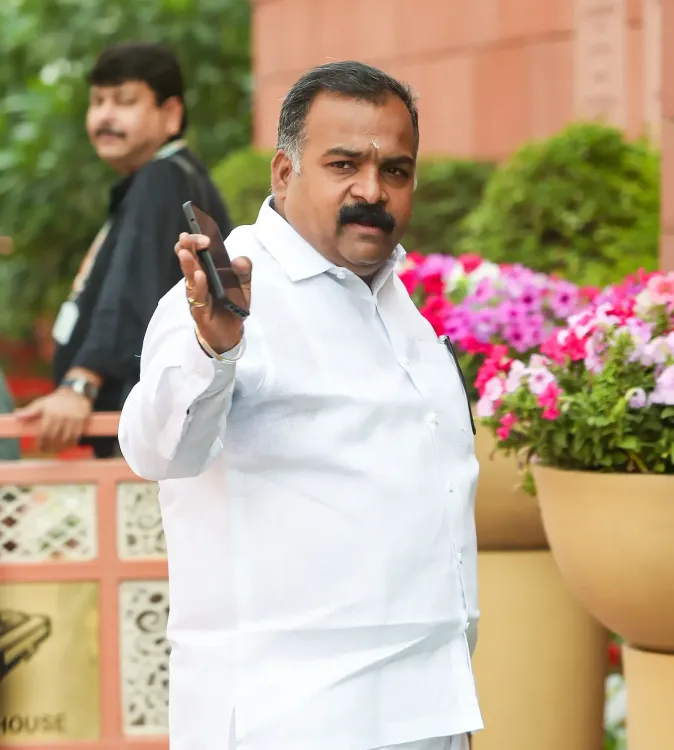
TNCC president Manickam Tagore alleged the BJP-led Centre is deliberately suppressing OBC population figures to limit backward-class representation.
AICC general secretary Ghulam Ahmad Mir and Dravidar Kazhagam president K.
Veeramani participated in the campaign launch.
Tagore claimed only 28% of ₹35,716 crore in corporate loan write-offs has been recovered, accusing public-sector banks of withholding defaulter names despite a 2015 Supreme Court ruling .
The Tamil Nadu Congress Committee (TNCC) on Thursday, 18 September 2026, launched a statewide campaign across Tamil Nadu to challenge what it describes as critical flaws in the Centre's proposed methodology for collecting caste data during the upcoming population census. The campaign, spanning 10 major cities, centres on the Congress's opposition to the use of open-ended questions for recording caste information — particularly for Other Backward Classes (OBC) communities.
What the Campaign Demands
TNCC president and Virudhunagar MP Manickam Tagore said the party is advocating a drop-down system based on predefined community lists, arguing this would generate more reliable data for framing social justice and reservation policies. Tagore maintained that a structured list would reduce errors, prevent duplication, and ensure accurate community classification.
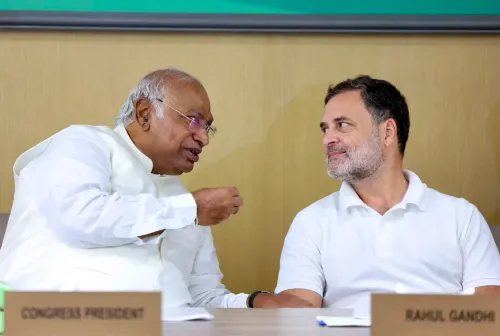
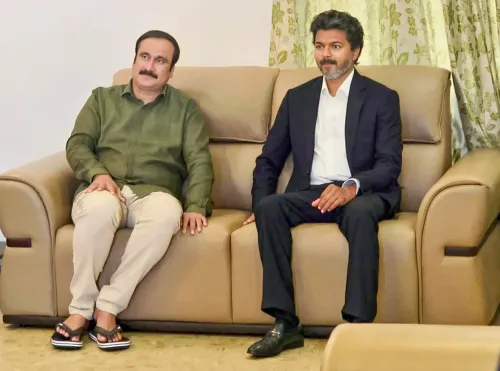
The campaign will be conducted through public meetings and interactive discussions. All India Congress Committee (AICC) general secretary and Tamil Nadu in-charge Ghulam Ahmad Mir, along with Dravidar Kazhagam president K. Veeramani, participated in the launch event.
Congress Allegations Against the Centre
In a statement, Tagore accused the Bharatiya Janata Party (BJP)-led Union government of attempting to suppress the actual size of the OBC population to prevent backward-class communities from securing adequate representation in political power, education, and employment. He alleged the move was part of a deliberate strategy rather than an administrative oversight.
Tagore questioned why open-ended questions were being proposed specifically for OBCs when clearly defined lists already exist for Scheduled Caste (SC) and Scheduled Tribe (ST) communities. He noted that the Centre had earlier deferred the caste census citing delimitation concerns, and had now justified the open-ended format by claiming no comprehensive OBC list was available — an argument he rejected.
Census Significance and Policy Stakes
The second phase of the population census, which will include caste-related data collection, is considered particularly consequential. Its findings are expected to directly influence reservation quotas, welfare scheme allocation, and broader social justice frameworks. This comes amid a national debate over the caste census, with opposition parties including the Congress pushing for a comprehensive and methodologically sound enumeration.
Notably, the Supreme Court had, in a 2015 ruling, addressed disclosures related to corporate borrowers — a matter Tagore also raised, alleging that public-sector institutions, including the Reserve Bank of India (RBI) and Bank of Baroda, had declined to reveal names of wilful defaulters. He claimed that of ₹35,716 crore written off, only 28 per cent had been recovered.
Political Context and Bypoll Remarks
Responding to the Left parties' decision to contest the upcoming bypolls independently, Tagore declined to comment on their electoral strategy but expressed surprise that parties which had previously supported the government in the Assembly had chosen to contest separately. The remark signals underlying tensions within the broader opposition alliance in Tamil Nadu ahead of the polls.
With the national caste census debate intensifying, the TNCC campaign is set to put further pressure on the Centre to revise its data-collection methodology before the census's second phase gets underway.
Point of View
Congress is occupying ground that the Centre cannot easily dismiss as anti-census. The open-ended versus drop-down question distinction may seem technical, but its implications for OBC enumeration accuracy are substantive and consequential for reservation arithmetic. What is missing from the Congress argument, however, is a concrete proposal for whose predefined list should be used — the Central OBC list and state lists diverge significantly, and resolving that is itself a political minefield. The inclusion of the corporate loan write-off allegation in the same press statement risks diluting the census focus, but it signals that the TNCC is using this campaign as a broader accountability platform ahead of the bypolls.
NationPress
17 Sept 2026
Frequently Asked Questions
What is the TNCC caste census campaign about?
The Tamil Nadu Congress Committee launched a statewide campaign on 18 September 2026 to oppose the Centre's proposed use of open-ended questions for collecting OBC caste data in the population census. The party is demanding a structured drop-down system based on predefined community lists for more accurate enumeration.
Why does Congress oppose open-ended questions for OBC data collection?
Congress argues that open-ended questions will lead to errors, duplication, and inaccurate community classification, ultimately underrepresenting OBCs. TNCC president Manickam Tagore has alleged it is a deliberate strategy to suppress the actual OBC population and limit their representation in political power, education, and employment.
Who are the key leaders involved in the campaign launch?
TNCC president and Virudhunagar MP Manickam Tagore is leading the campaign. AICC general secretary and Tamil Nadu in-charge Ghulam Ahmad Mir, along with Dravidar Kazhagam president K. Veeramani, participated in the launch event.
Why does the caste census methodology matter for policy?
The second phase of the population census, which includes caste data, will directly shape reservation quotas, welfare scheme allocation, and social justice policies. An inaccurate or undercounted OBC enumeration could affect how political representation, educational seats, and government jobs are distributed across communities.
What did Manickam Tagore say about corporate loan write-offs?
Tagore alleged that public-sector institutions including the RBI and Bank of Baroda had declined to disclose names of corporate wilful defaulters despite a 2015 Supreme Court ruling. He claimed that of ₹35,716 crore written off, only 28 per cent had been recovered, according to his statement.