Congress Members Support No-Confidence Motion Against Speaker Om Birla
Synopsis
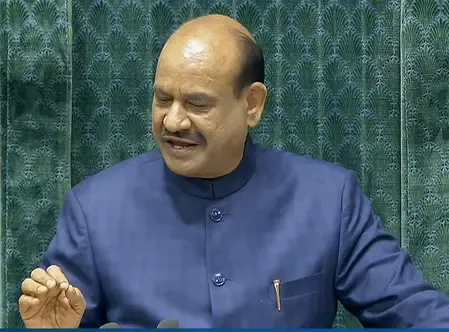
As Parliament reconvenes for its Budget Session, Congress MPs are voicing strong criticism against Speaker Om Birla, advocating for a no-confidence motion due to perceived suppression of their voices. This political maneuver highlights tensions between the ruling party and the opposition.
Key Takeaways
Congress MPs are advocating for a no-confidence motion against Speaker Om Birla .
The motion stems from perceived suppression of Opposition voices in Parliament.
118 MPs have endorsed the motion.
Key legislative discussions are on the agenda during the Budget Session.
This political confrontation highlights important issues in parliamentary democracy.
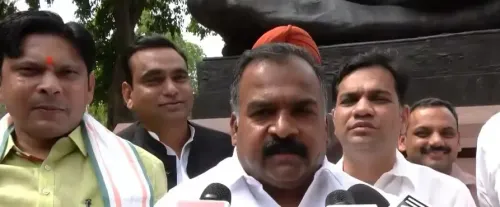
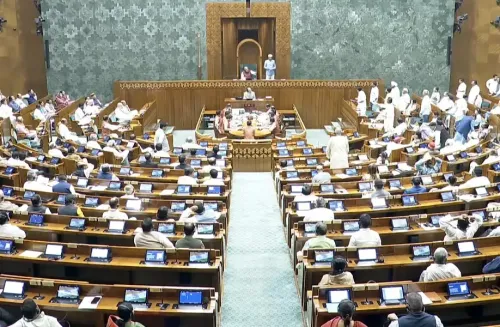
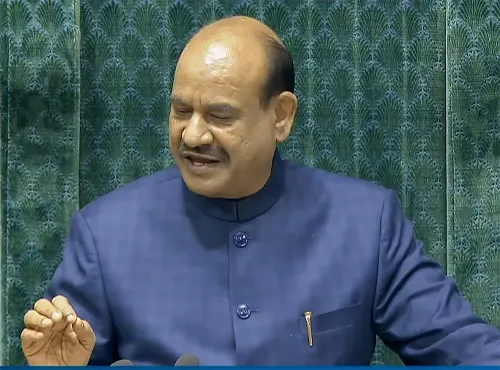
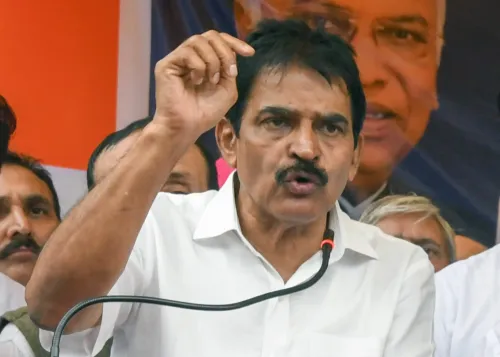
New Delhi, March 9 (NationPress) As the Parliament resumed for the second phase of the Budget Session, Congress MPs ramped up their opposition to Om Birla by supporting the Opposition's no-confidence motion against the Speaker. Congress MP Mallu Ravi stated that this motion was introduced due to the repeated obstruction of Opposition members from voicing their concerns during sessions.
Ravi commented, “We are bringing forth a resolution to remove the Speaker because he is not allowing the Leader of Opposition to express his views. This restriction extends to other leaders from the Opposition as well. The primary duty of Parliament is to engage in meaningful debate...” he relayed to IANS.
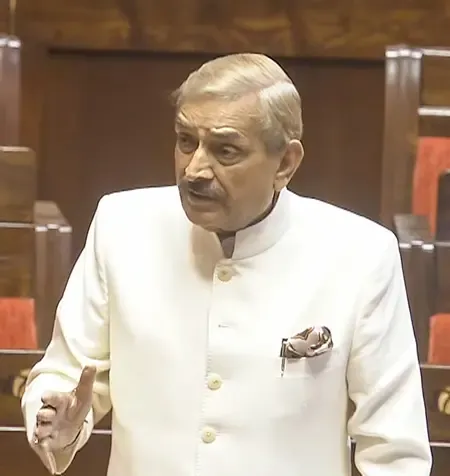
Another Congress figure, Sukhdeo Bhagat, echoed these sentiments, criticizing the Chair's operations and stressing that the Speaker must maintain neutrality as dictated by constitutional mandates.
“The Speaker does not represent any political party. The Chair must remain impartial and adhere to the Constitution. Any favoritism towards the ruling government undermines fairness. While we recognize that majority holds significance in a democracy, ongoing feelings of suppression and the silencing of our voices, including Rahul Gandhi's mic being turned off during sessions, are unjust,” Bhagat remarked.
Previously, the Opposition had formally submitted a notice for the no-confidence motion against Birla on February 10, which reportedly garnered the signatures of 118 Members of Parliament. This motion was prompted after the Speaker denied the Leader of the Opposition in the Lok Sabha, Rahul Gandhi, the opportunity to reference or discuss former Indian Army chief M. M. Naravane’s unpublished memoir during parliamentary discourse.
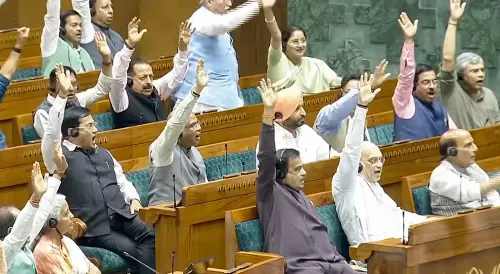
The no-confidence motion is anticipated to be addressed during the current phase of the Budget Session, which has recommenced and is expected to see vigorous political discussions between the government and the Opposition.
In addition to the parliamentary conduct dispute, a variety of significant national and international topics are set to be debated in the House, including the ongoing West Asia crisis, India–US trade relations, and broader issues regarding parliamentary functionality.
The latter part of the session is scheduled to continue until April 2, focusing on critical legislative matters. Among the key agenda items are the passage of the Finance Bill, 2026, and deliberations on the Demands for Grants for various ministries, which are essential for the government's financial strategies for the upcoming fiscal year.
Point of View
The ongoing conflict between Congress MPs and Speaker Om Birla underscores significant issues regarding parliamentary democracy and discourse. While political rivalry is inherent in such a system, the integrity of debate and representation must remain paramount to ensure all voices are heard.
NationPress
16 Sept 2026
Frequently Asked Questions
What led to the no-confidence motion against Speaker Om Birla?
The no-confidence motion was introduced due to Congress MPs feeling consistently obstructed from speaking during parliamentary proceedings.
How many MPs supported the no-confidence motion?
The motion reportedly carried the signatures of 118 Members of Parliament.
What are the main concerns raised by Congress leaders?
Congress leaders have raised concerns about the Speaker's impartiality and the suppression of opposition voices in the House.
When is the no-confidence motion expected to be discussed?
The motion is expected to be taken up during the second phase of the Budget Session, which resumed recently.
What are some of the key issues expected to be discussed in Parliament?
Key issues include the West Asia crisis, India–US trade relations, and various legislative matters crucial for the government's financial plans.