DoorDash faces Congress probe over Chinese AI model use, security risks
Synopsis
US Congress is now asking DoorDash to justify why it handed internal code-review tasks to a Chinese AI model linked to alleged covert data practices. The probe — expanding a sweep that began in April — signals that any American company quietly deploying Chinese open-weight AI could be next, and that Washington is moving toward formal federal safeguards on PRC-origin AI in consumer and enterprise systems.
Key Takeaways
The House Select Committee on China and the House Committee on Homeland Security launched a joint probe into DoorDash's use of Chinese AI on 1 August .
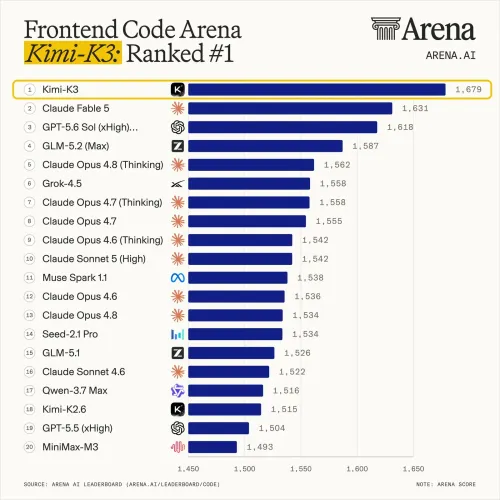
Committees wrote to DoorDash CEO Tony Xu demanding details on the company's deployment of Kimi K2.6 , an open-weight model by China's Moonshot AI .
DoorDash co-founder Andy Fang had publicly stated the model was used for lower-level tasks in an internal code review system, reportedly cutting costs.
The White House Office of Science and Technology Policy has alleged Moonshot AI ran a covert platform to distil American AI models using unauthorised computing systems.
The investigation expands a broader congressional sweep of Chinese AI adoption that began in April 2025 .
Committees are pushing for federal safeguards and stronger US open-weight AI alternatives to reduce reliance on PRC-developed models.
Two powerful US House committees have launched a formal investigation into DoorDash's deployment of a Chinese-developed artificial intelligence model, warning that the growing adoption of Chinese AI by American companies poses significant national security, cybersecurity, and economic security risks. The probe, announced on Friday, 1 August, marks a direct escalation of congressional scrutiny over China-linked technology embedded in mainstream US consumer platforms.
What Triggered the Investigation
The House Select Committee on China and the House Committee on Homeland Security jointly wrote to DoorDash co-founder and Chief Executive Officer Tony Xu, seeking detailed information about the company's evaluation and deployment of AI models developed in China. The move expands a broader congressional investigation that began in April and has already examined other American companies' use of Chinese open-weight AI models.
The committees cited public statements by DoorDash co-founder Andy Fang indicating the company had incorporated open-weight models into an internal AI-assisted code review system. According to the committees, DoorDash routed more demanding tasks to a US-developed frontier model while assigning lower-level work to Kimi K2.6, an open-weight model developed by China's Moonshot AI. The company reportedly stated that the new configuration outperformed an earlier setup while also lowering costs.
What the Committees Said
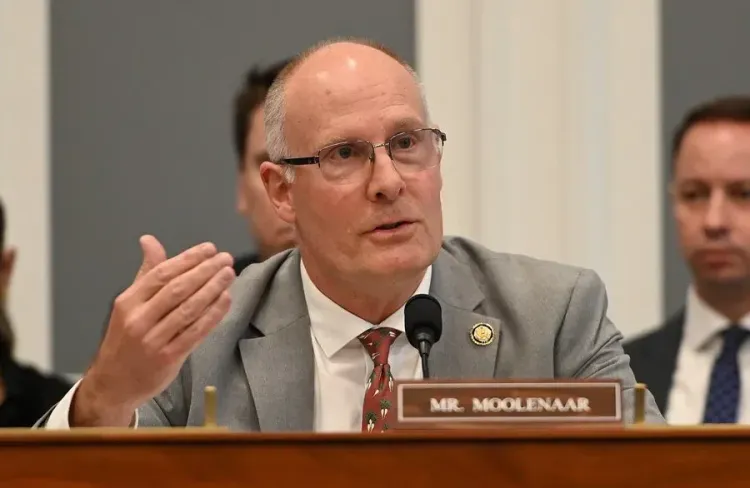
House Select Committee on China Chairman John Moolenaar and House Homeland Security Committee Chairman Andrew R. Garbarino acknowledged the commercial appeal of Chinese open-weight models in their letter. 'The Committees recognise that US companies, from large technology firms to startups, may evaluate and deploy PRC-developed open-weight models because they can provide competitive capabilities, lower costs, greater customisation, and alternatives to reliance on a small number of proprietary model providers,' they wrote.
However, the chairmen were unequivocal that commercial logic does not override security obligations. 'Those practical considerations do not eliminate the need for risk-based safeguards or diminish the national security concerns associated with growing dependence on models developed by entities subject to PRC jurisdiction,' the letter stated. The committees said the investigation aims to 'establish the factual record necessary to inform' a federal policy approach that would reduce US companies' reliance on Chinese-developed models while strengthening American open-weight alternatives.
The Moonshot AI Angle
Lawmakers also referenced allegations by the White House Office of Science and Technology Policy that Moonshot AI operated a covert platform to conduct large-scale distillation against American AI models, and that it trained models using advanced computing systems it was not authorised to obtain. These claims, if substantiated, would significantly deepen the security case against deploying Moonshot AI's products in US enterprise environments.
Why Open-Weight Models Are Under the Spotlight
Unlike proprietary AI systems, open-weight models make their underlying parameters publicly available, allowing developers to download, modify, and deploy them independently. The committees noted that while this flexibility reduces costs and increases customisation, it also raises concerns about software integrity, supply chain security, and the provenance of the underlying technology. Chinese open-weight models have become increasingly attractive to businesses seeking lower operating costs and the ability to run AI on their own infrastructure rather than through proprietary cloud services.
Broader Context and What Comes Next
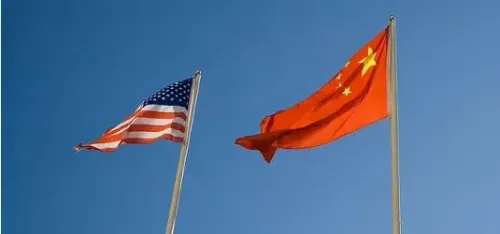
This investigation fits into a wider pattern of Washington intensifying scrutiny of Chinese AI developers amid escalating strategic competition with Beijing over advanced technologies. The committees have signalled that their findings could form the basis for new federal safeguards specifically targeting high-risk applications. Industry observers note that DoorDash is unlikely to be the last company called to account — the probe's April origins suggest a systematic, sector-wide sweep is already underway.
Point of View
Not an endpoint. Congress is building a factual record that could justify sweeping federal restrictions on Chinese open-weight AI across US enterprise software — and the cost-savings logic that drew DoorDash to Kimi K2.6 is exactly what makes the exposure systemic. What mainstream coverage underplays is the Moonshot AI allegation: if the White House's claim of covert distillation against American models holds up, this stops being a procurement question and becomes an intelligence one. The deeper irony is that American companies are, in effect, subsidising the improvement of Chinese AI by feeding it real production workloads — a second-order risk the committees have not yet fully quantified.
NationPress
15 Sept 2026
Frequently Asked Questions
Why is the US Congress investigating DoorDash's use of Chinese AI?
Two House committees are investigating DoorDash over its deployment of Kimi K2.6, a Chinese open-weight AI model developed by Moonshot AI, citing national security, cybersecurity, and economic security risks. The probe follows public statements by DoorDash co-founder Andy Fang confirming the model's use in an internal code review system.
What is Kimi K2.6 and who developed it?
Kimi K2.6 is an open-weight artificial intelligence model developed by Moonshot AI, a Chinese technology company. Open-weight models make their underlying parameters publicly available, allowing companies to download, modify, and deploy them on their own infrastructure without using proprietary cloud services.
What allegations have been made against Moonshot AI?
The White House Office of Science and Technology Policy has alleged that Moonshot AI operated a covert platform to conduct large-scale distillation against American AI models and trained its models using advanced computing systems it was not authorised to obtain. These allegations are cited in the congressional letter to DoorDash.
How does this investigation fit into the broader US-China tech rivalry?
The probe expands a congressional investigation that began in April 2025 examining multiple American companies' use of Chinese open-weight AI. It reflects Washington's intensifying scrutiny of Chinese AI developers amid wider strategic competition with Beijing over advanced technologies, and could lead to new federal safeguards for high-risk applications.
What outcome are the House committees seeking from this investigation?
The committees aim to establish a factual record to inform a federal policy approach that would reduce US companies' dependence on PRC-developed AI models, strengthen American open-weight alternatives, and apply targeted safeguards in sensitive or high-risk applications. A formal letter has been sent to DoorDash CEO Tony Xu seeking detailed disclosures.