Is South Korea Facing a Cremation Facility Shortage as Rates Approach 95%?
Synopsis
As South Korea's cremation rate approaches 95%, serious concerns arise regarding the availability of cremation facilities. Major cities, especially Seoul, face potential shortages due to a rapidly aging population. Experts suggest innovative solutions to address the growing demand for cremation services.
Key Takeaways
The cremation rate in South Korea has reached 94% in 2024.
There is a growing concern over the shortage of cremation facilities.
Major cities like Seoul are particularly affected.
Experts recommend small-scale cremation units as a potential solution.
The nation is officially a super-aged society with significant implications for funeral practices.
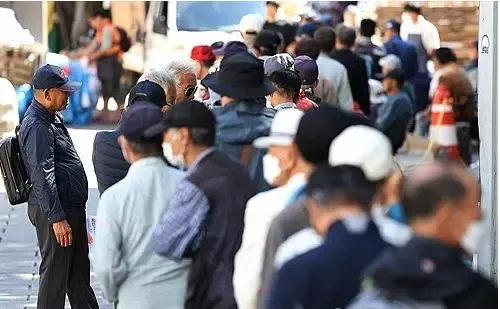
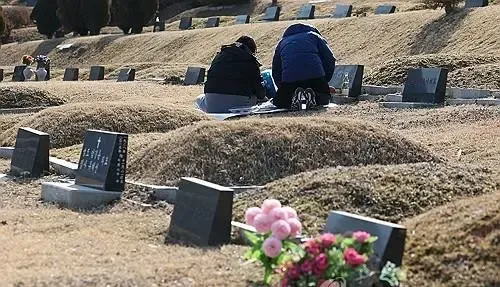
Seoul, Feb 15 (NationPress) The cremation rate in South Korea is witnessing a remarkable surge, according to recent data released on Sunday. This trend raises alarms about a possible shortage of cremation facilities, particularly in densely populated urban areas like Seoul, as the nation grapples with a rapidly ageing demographic.
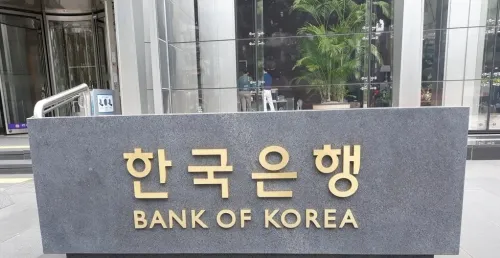
As of 2024, the national cremation rate has reached an impressive 94%, an increase from 92.9% the previous year, as reported by the Bank of Korea (BOK) and the welfare ministry.
Over the last few decades, this figure has shown a consistent upward trend, climbing from 33.5% in 2000 to 67.5% in 2010, and further to 89.9% in 2020, according to the Yonhap news agency.
However, the expansion of cremation facilities has not kept pace with this escalating demand, leading to significant shortages, especially in Seoul and other major urban centers.
The percentage of cremations conducted within three days of death saw a decline from 86.2% in 2019 to 73.6% in 2022 during the COVID-19 pandemic, with recovery to pre-pandemic levels still ongoing, currently at 75.5% in 2025.
In Seoul and Busan, the cremation rates were reported at 69.6% and 67.1% respectively last year, both falling below the national average.
Experts advocate for the establishment of additional cremation facilities in response to the accelerating population ageing and current funeral practices.
South Korea officially transitioned into a super-aged society last year, with over 20% of its population aged 65 and older. Projections indicate that the annual death toll will rise from 310,000 in 2020 to 700,000 by 2070.
The BOK suggests that privately operated, small-scale cremation facilities may present a viable solution, particularly through the implementation of compact cremation units at hospital funeral halls, which are already prevalent throughout various regions.
Furthermore, the report emphasizes that modern technology enables cremation facilities to function in an environmentally sustainable manner, calling for a thorough revision of relevant laws and regulations.
Point of View
I see this situation as a pivotal moment for South Korea. The increasing cremation rate and the impending facility shortages highlight the urgent need for innovative solutions in response to our ageing society. It's crucial for policymakers to act swiftly to address these concerns and ensure that the needs of our citizens are met effectively.
NationPress
23 Sept 2026
Frequently Asked Questions
What is the current cremation rate in South Korea?
As of 2024, the cremation rate in South Korea is at 94% , a rise from 92.9% in the previous year.
Why is there a concern about cremation facility shortages?
The rapid increase in the cremation rate, combined with a growing population aged 65 and older, has led to a significant demand for cremation facilities that is not being met, particularly in urban areas.
What solutions are being proposed to address this issue?
Experts suggest the establishment of small-scale cremation facilities, particularly in hospital funeral halls, as a practical solution to meet the increasing demand.
How has the COVID-19 pandemic impacted cremation practices?
During the pandemic, the share of cremations conducted within three days of death decreased significantly, impacting the overall cremation rates.
What are the long-term projections for deaths in South Korea?
The government projects that the annual number of deaths will rise from 310,000 in 2020 to 700,000 by 2070.