Is the cremation rate in South Korea approaching 95%? Facility shortages anticipated due to rapid aging: BOK data
Synopsis
As South Korea’s cremation rate approaches an astounding 95%, urgent concerns arise regarding the potential inadequacy of cremation facilities. With the population rapidly aging, particularly in urban centers like Seoul, experts warn that new solutions are essential to meet the growing demand. Discover the implications of these statistics and the future of cremation services in the region.
Key Takeaways
Cremation rate in South Korea reaches 94% .
Concerns over facility shortages in major cities.
Population aging leads to increased demand for cremation.
Need for innovative solutions like small-scale facilities .
Government projects a rise in annual deaths by 2070.
Seoul, Feb 15 (NationPress) The cremation rate in South Korea is experiencing a consistent upward trend, as revealed by recent data, raising alarms about possible shortages of cremation facilities, particularly in densely populated areas like Seoul, due to the swift aging of the population.
According to figures from the Bank of Korea (BOK) and the welfare ministry, the national cremation rate reached 94 percent in 2024, an increase from 92.9 percent in the previous year, as reported by Yonhap news agency.
This statistic has been on a steady rise for decades, climbing from 33.5 percent in 2000 to 67.5 percent in 2010, and then to 89.9 percent in 2020.
Unfortunately, the growth of cremation facilities has not kept pace with this surging demand, with particularly acute shortages observed in Seoul and other major urban centers.
The percentage of cremations performed within three days of death has decreased from 86.2 percent in 2019 to 73.6 percent in 2022 during the COVID-19 pandemic, and has yet to rebound to pre-pandemic levels, currently standing at 75.5 percent in 2025.
Last year, the cremation rates in Seoul and Busan were recorded at 69.6 percent and 67.1 percent, respectively, both falling short of the national average.
Experts emphasize the necessity for additional cremation facilities due to the rapid aging population and existing funeral customs.
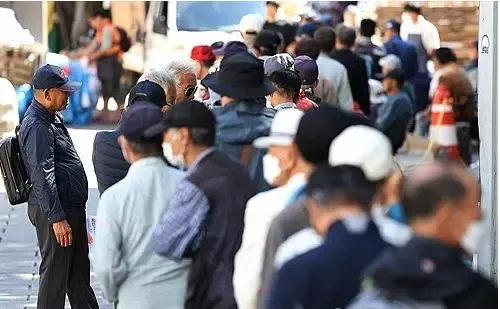
South Korea officially became a super-aged society last year, with more than 20 percent of its populace aged 65 and older. Projections from the government indicate that the annual death toll could escalate from 310,000 in 2020 to 700,000 by 2070.
The BOK's recent report suggests that privately operated, small-scale cremation facilities might serve as a viable solution, particularly through the establishment of small cremation units within hospital funeral halls, taking advantage of the widespread hospital infrastructure.
Additionally, the report noted, modern technology enables cremation facilities to function in an environmentally sustainable manner. It stressed the importance of a comprehensive review and reform of relevant laws and regulations.
Point of View
The rising cremation rate in South Korea highlights a significant shift in societal norms and demographic challenges. As the nation grapples with an aging population, it is crucial for policymakers to address the impending shortage of cremation facilities. This situation calls for innovative solutions and a thorough examination of existing regulations to ensure that the needs of the public are met with compassion and efficiency.
NationPress
23 Sept 2026
Frequently Asked Questions
What is the current cremation rate in South Korea?
The current cremation rate in South Korea is 94 percent as of 2024, marking an increase from 92.9 percent in 2023.
Why is there a concern about cremation facility shortages?
Concerns arise due to the rapid increase in the cremation rate alongside a growing aging population, especially in densely populated cities such as Seoul .
What was the cremation rate in previous years?
The cremation rate was 33.5 percent in 2000, 67.5 percent in 2010, and 89.9 percent in 2020.
What do experts suggest to address the facility shortages?
Experts suggest creating small-scale cremation facilities , particularly in hospitals, to meet the increasing demand.
How has the COVID-19 pandemic affected cremation practices?
During the pandemic, the percentage of cremations conducted within three days of death fell from 86.2 percent in 2019 to 73.6 percent in 2022.