Italy Defence Minister Crosetto puzzled by Trump's attitude toward Rome
Synopsis
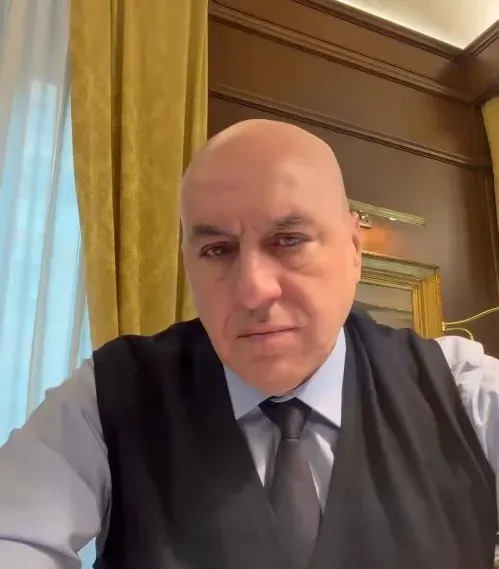
Italy's Defence Minister Guido Crosetto broke publicly with Donald Trump's framing on 21 June, saying he simply could not understand the US president's 'attitude' toward Rome — even as Italian minehunters sat ready in Djibouti awaiting parliamentary clearance. The rift exposes a widening gap between Washington's expectations and European allies' conditions for military commitment in the Strait of Hormuz.
Key Takeaways
Guido Crosetto , Italy's Defence Minister, said on 21 June that he does not understand Donald Trump 's recent attitude toward Italy.
Trump criticised Italy and NATO over the past 48 hours for insufficient support on Strait of Hormuz operations.
Crosetto said Italy has 'done much more' than other European nations on base access and treaty compliance.
Italian minehunters are already stationed in Djibouti , awaiting parliamentary authorisation before any deployment.
The United States and Iran are engaged in direct talks following a recently signed memorandum of understanding on Tehran's nuclear programme.
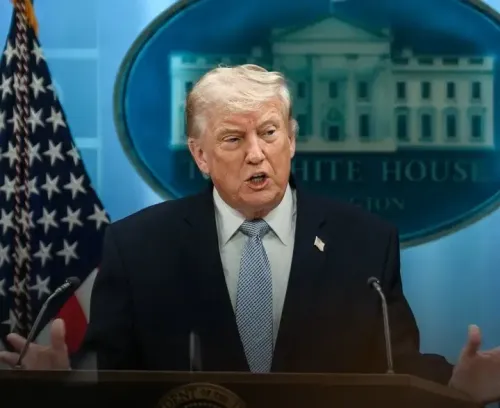
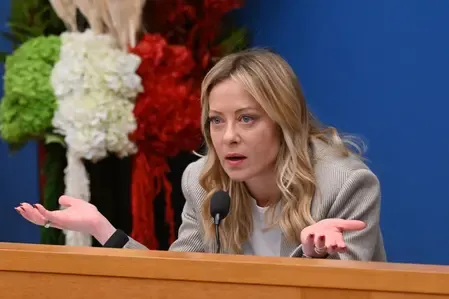
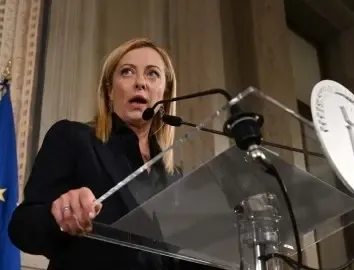
Italy's Defence Minister Guido Crosetto on 21 June said he could not understand US President Donald Trump's recent 'attitude' toward Italy, describing the tensions as difficult to reconcile given what he characterised as Rome's strong record of allied commitment. His remarks came amid a publicly reported feud between Trump and Italian Prime Minister Giorgia Meloni over Italy's stance on the Strait of Hormuz.
What Crosetto Said
Speaking on the 'Caffe della domenica' programme on Radio 24, Crosetto was direct: 'Our bond with the United States does not depend on governments, on Prime Ministers; it is deep and very solid. I don't understand Trump's attitude these days also because it seemed to me from what I had seen on television that there were no problems in relations with Italy.'
The minister added that his own bilateral contacts had remained unaffected. 'My relations with the United States, even in these hours, are always absolutely normal and have not changed… they have not altered, including those with the American ambassador in Italy, with whom relations are excellent and who I think is also in great difficulty these days,' he said.
Italy's Defence Posture and the Strait of Hormuz
Trump, in statements made over the preceding 48 hours, criticised Italy — and NATO broadly — for insufficient support for US actions related to the Strait of Hormuz. Crosetto pushed back, arguing that Italy had outperformed other European allies on treaty obligations, particularly on base access.
'Compared to other European nations, we have done much more, even just in the use of bases: where we have fully respected the treaties, other nations have decided not to respect them and have denied their use. It's a difficult attitude to understand, which I regret because it harms the deep relations between the two nations,' Crosetto said.
On Italy's military readiness, the minister confirmed that Italian vessels are already positioned in Djibouti. 'The ships are already in Djibouti, the minehunters, ready to intervene if there is parliamentary authorisation and if the conditions we have requested for intervention are met,' he said, clarifying that the mission is framed as humanitarian demining rather than combat deployment.
The Broader US-Iran Context
The dispute unfolds against a volatile diplomatic backdrop. The United States and Iran have signed a memorandum of understanding and are engaged in direct talks aimed at achieving stable peace and resolving the management of Tehran's nuclear programme. Crosetto acknowledged the complexity: 'Unfortunately, in recent years, we have been accustomed to a series of ups and downs in international relations, even more so in relations between the United States and other countries and Iran. It's not easy, it won't be easy, and this memorandum signed a few days ago is not the end of a path that will still be very long.'
What Happens Next
Italy's potential military contribution to Strait of Hormuz operations remains contingent on parliamentary approval and the fulfilment of conditions Rome has set for intervention. Crosetto's public remarks signal that while Rome is prepared militarily, it is seeking political clarity before committing forces. The diplomatic friction between Washington and Rome is likely to remain a live issue as US-Iran negotiations continue to evolve.
Point of View
While Rome insists its treaty record speaks for itself. Italy's conditional posture on Hormuz — ships ready, parliamentary gate still closed — reflects a broader European reluctance to be drawn into US-Iran brinksmanship without political cover. The feud with Meloni, a leader ideologically aligned with Trump, also signals that personal rapport between populist leaders has clear limits when national interest diverges.
NationPress
20 Sept 2026
Frequently Asked Questions
Why is Italy's Defence Minister Crosetto criticising Trump?
Crosetto said he does not understand Trump's 'attitude' toward Italy after the US president criticised Rome and NATO for insufficient support on Strait of Hormuz operations. Crosetto argued Italy has outperformed other European allies on base access and treaty compliance.
What is the feud between Trump and Giorgia Meloni about?
The dispute centres on Italy's level of support for US actions related to the Strait of Hormuz. Trump criticised Italy — alongside NATO broadly — over the past 48 hours for not doing enough, a charge Crosetto publicly rejected.
What is Italy's military position on the Strait of Hormuz?
Italy has minehunters stationed in Djibouti, ready for a humanitarian demining operation in the Strait of Hormuz. However, deployment requires parliamentary authorisation and the fulfilment of specific conditions Rome has set for intervention.
What is the current status of US-Iran talks?
The United States and Iran have signed a memorandum of understanding and are engaged in direct negotiations aimed at achieving stable peace and resolving the management of Tehran's nuclear programme. Crosetto described the memorandum as 'not the end of a path that will still be very long.'
How did Crosetto describe Italy's relations with the US?
Crosetto said his bilateral contacts with the United States, including with the American ambassador in Italy, remained 'absolutely normal' and unchanged, even as the broader political friction between Trump and Meloni played out publicly.