Are Cyber Fraudsters Impersonating Damoh Collector on WhatsApp?

Synopsis
A recent case in Madhya Pradesh highlights the increasing threat of cyber fraud, where criminals impersonated a district collector on WhatsApp. Thanks to swift action by the administration, a potential financial crisis was averted. This incident serves as a reminder of the importance of vigilance against such scams.
Key Takeaways
Cybercriminals are increasingly using sophisticated tactics to impersonate trusted officials.
Immediate action by authorities can prevent financial losses from cyber scams.
Public awareness is essential for combating cyber fraud.
Always verify the identity of individuals requesting money through digital platforms.
Report suspicious activity promptly to local law enforcement.
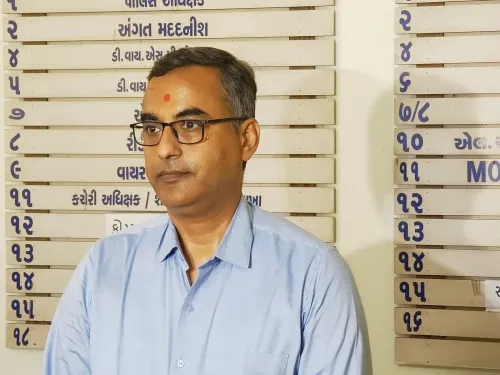
Bhopal/Damoh, Oct 24 (NationPress) In a shocking attempt to manipulate trust and steal funds from unsuspecting individuals, cybercriminals reportedly set up a fraudulent WhatsApp account impersonating Sudhir Kochhar, the District Collector of Damoh. They utilized forged documents and a Vietnamese country code to conceal their identities.
This daring operation, aimed at the collector's personal contacts, was curtailed before it escalated into a significant cyber crisis, due to the swift response from the district administration and police.
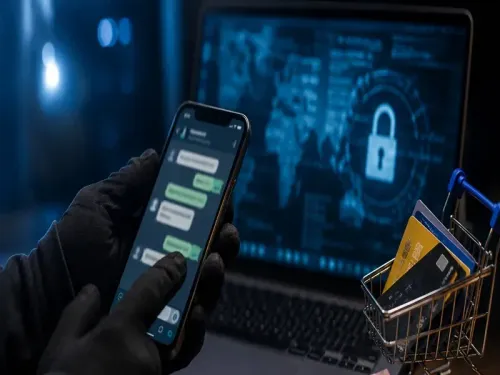
The fake account, featuring the collector's profile picture and official credentials, sent out urgent requests for financial assistance under false pretexts—ranging from bogus emergencies to supposed 'official' fund transfers.
Trusting the messages were from the reputable IAS officer, recipients were nearly duped into compliance when the deception was uncovered.
Collector Kochhar learned of the situation through a concerned contact and promptly alerted Superintendent of Police Shrutkirti Somvanshi.
"Once we received the information, my e-governance and cyber teams immediately took action," Kochhar stated during a press conference at the SP's office.
"We tracked the suspicious activities within hours, thus averting any financial loss."
A formal complaint against the unidentified fraudster was lodged at the Damoh SP office, invoking laws under the Information Technology Act, 2000 and the Bharatiya Nyaya Sanhita for identity theft and attempted fraud.
The cyber cell of Madhya Pradesh Police in Damoh, equipped with advanced forensic technology, has initiated a thorough investigation.
Investigators are examining digital traces, including IP logs, device metadata, and the counterfeit credentials used to register the WhatsApp account under the Vietnamese (+84) prefix—a tactic commonly employed to evade Indian jurisdiction and detection mechanisms.
"The fraudsters’ use of international codes highlights their sophistication, but our team is working with national cyber agencies to identify them," emphasized SP Somvanshi, underscoring continuous monitoring.
This incident is part of a larger trend in Madhya Pradesh's rising cybercrime.
Cyber frauds increased by 45 percent in 2025, according to data from the Madhya Pradesh Police, with impersonation scams resulting in losses exceeding Rs 150 crore.
High-profile individuals like district collectors are frequent targets, as evidenced by recent incidents in Gwalior and Sagar, where fake accounts tricked officials into transferring substantial amounts.
Nationally, bureaucrats in Andhra Pradesh and Kerala have faced similar scams, where fraudsters masqueraded as superiors to extract funds via WhatsApp.
Highlighting the seriousness of the situation, Collector Kochhar issued a clear public warning: "I do not maintain any personal accounts on social media or messaging platforms. Ignore any such accounts claiming to be mine."
He urged citizens to refrain from responding to unsolicited money requests, sharing personal information, or initiating transactions, categorizing these approaches as signs of cyber traps.
"Report suspicious activities immediately to 1930, the national cyber helpline, or your local police. Vigilance is our collective defense," he urged, with cyber cell officers demonstrating techniques to identify scams.
Point of View
It is crucial to recognize the escalating threat posed by cybercriminals, particularly in light of the recent impersonation of a public official. This incident not only highlights the need for enhanced protective measures and public awareness but also calls for stronger collaboration among law enforcement agencies. Cybersecurity must remain a priority as we navigate this digital age.
NationPress
2 Oct 2026
Frequently Asked Questions
What should I do if I receive a suspicious message asking for money?
Do not engage with the sender. Report the message to local authorities or the national cyber helpline at 1930.
How can I protect myself from cyber scams?
Be skeptical of unsolicited requests for money, verify the identity of the sender, and avoid sharing personal information.
What are the common tactics used by cyber fraudsters?
Fraudsters often impersonate trusted individuals, create fake accounts, and use urgent language to elicit a response.
How can I report cybercrime effectively?
You can report cybercrime to your local police or contact the national cyber helpline at 1930 for assistance.
What are the signs of a phishing scam?
Unsolicited communication requesting personal information, poor grammar, and urgency are common signs of phishing scams.