How are sealed borders forcing the Dawood Syndicate to enhance local drug production?
Synopsis
As border security escalates, the Dawood Syndicate is adjusting its strategy, relying on local Indian operatives to produce drugs domestically. This shift poses new challenges for law enforcement. Discover how cartels are adapting in response to tightened borders and what this means for the drug trade.
Key Takeaways
Dawood Syndicate is focusing on local drug production due to border security challenges.
Significant quantities of MDMA are being manufactured in India.
Increased raids by law enforcement are targeting these local labs.
Local opium cultivation areas in Madhya Pradesh and Rajasthan are key production sites.
Networks in Maharashtra are supplying chemicals for drug production.
New Delhi, Feb 20 (NationPress) As border security tightens, Pakistan-based drug syndicates are increasingly depending on local Indian networks for drug production and distribution.
Authorities report a significant shift towards local manufacturing due to the escalating challenges in smuggling narcotics into India.
The Punjab border, once a favored route for these operations, has also become significantly fortified. While Pakistan has attempted to utilize drones for drug deliveries, enhanced security measures have made these tactics less effective.
An official from the Intelligence Bureau revealed that the Dawood Syndicate has mobilized numerous operatives within India, instructing them to scale up narcotics production domestically.
Dawood’s associates are exploiting the existing opium cultivation zones in the western regions of Madhya Pradesh and neighboring Rajasthan, which are now being repurposed for MDMA production.
In recent months, several significant drug busts have occurred in these areas, with investigations confirming links to Dawood's operations. Law enforcement has uncovered extensive laboratories capable of producing MDMA in substantial quantities.
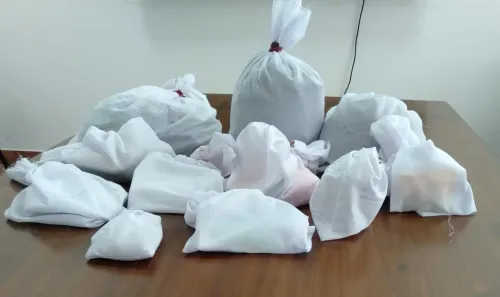
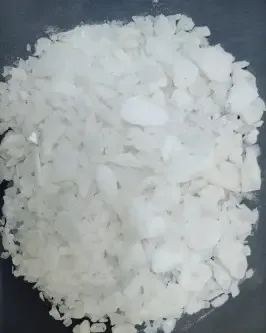
On February 19, the Central Bureau of Narcotics (CBN) conducted a raid on a drug manufacturing facility located in Village Thavalay, Mhow Tehsil, Indore district, Madhya Pradesh. They confiscated 43.820 kilograms of high-grade Methamphetamine (MDMA) along with over 260 kilograms of precursor chemicals and advanced production equipment.
An investigator involved in the operation stated that the raided facility was equipped with cutting-edge machinery, enabling high-volume production of premium meth. While some of the output was intended for local consumption, a significant portion was destined for international markets, highlighting the quality of the drugs.
Another official noted a concerted effort to manufacture the drug within India for subsequent smuggling through the southern borders and northeastern states.
The Dawood Syndicate has concluded that exporting the narcotics is strategically more advantageous than importing them, especially given the heightened surveillance along the India-Pakistan borders and the Line of Control (LoC).
The syndicate had always prepared for alternative strategies in case traditional routes from Afghanistan and Pakistan became compromised. Substantial investments have been funneled into establishing these laboratories, with a strong emphasis on meth production due to its demand in international markets.
Salim Dola has been designated by Dawood to manage operations in India. Believed to be operating from Turkey, he has been financing these labs, which have been established in both Pakistan and Dubai.
He has also activated his networks across Mumbai and Gujarat to oversee drug production in Madhya Pradesh and Rajasthan, regions historically known for opium cultivation, making them prime targets for his operations.
According to another official, the laboratories in Madhya Pradesh and Rajasthan are interconnected with networks in Maharashtra. Investigations revealed that chemicals required for drug production were often sourced from Thane and Bhiwandi in Maharashtra, transported by road to the labs in Madhya Pradesh for processing.
Salim Dola has invested millions into these facilities, which boast industrial-grade mixing machines, chemical reactors, and temperature-controlled chambers.
An Intelligence Bureau official indicated that numerous such labs exist, capable of generating meth valued in the thousands of crores each month. Dola is expected to seek additional locations to further expand production across the country.
The Dawood Syndicate is acutely aware of the increasing pressure from law enforcement, particularly in Madhya Pradesh. They are actively seeking new sites to maintain a continuous supply of high-grade meth, according to the official.
Point of View
The increasing reliance of drug syndicates on local production highlights the urgent need for enhanced surveillance and law enforcement strategies. It's crucial for the nation to adapt to these evolving threats while ensuring public safety and welfare.
NationPress
22 Sept 2026
Frequently Asked Questions
What is the Dawood Syndicate's current strategy?
The Dawood Syndicate is pivoting towards local drug production in India due to heightened border security, relying on local operatives to manufacture narcotics.
Why has drug production shifted to India?
Tighter border controls have made smuggling drugs into India more challenging, prompting cartels to produce drugs domestically.
What types of drugs are being produced?
The primary focus is on Methamphetamine (MDMA), leveraging existing opium cultivation regions.
How is law enforcement responding?
Authorities are ramping up investigations and raids on drug manufacturing facilities linked to the Dawood Syndicate.
What is the impact of this shift on drug trafficking?
The shift to local production complicates law enforcement efforts and poses new challenges in combating drug trafficking.