US Lawmakers Debate Regulation of Tokenized Finance
Synopsis
US lawmakers are engaged in critical discussions about regulating tokenized finance, balancing technological innovation with investor protections. The ongoing debate highlights the need for clarity in regulations to ensure financial stability while embracing new opportunities.
Key Takeaways
Tokenization represents a significant shift in financial technology.
Lawmakers are debating the regulatory framework needed to protect investors.
Concerns about oversight and market stability are at the forefront of discussions.
Industry leaders emphasize the need for clear regulations to foster innovation.
The outcome of these discussions will shape the future of capital markets.
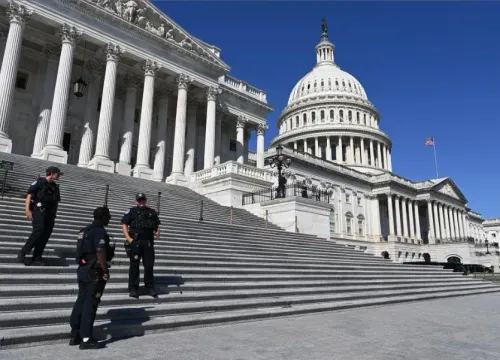
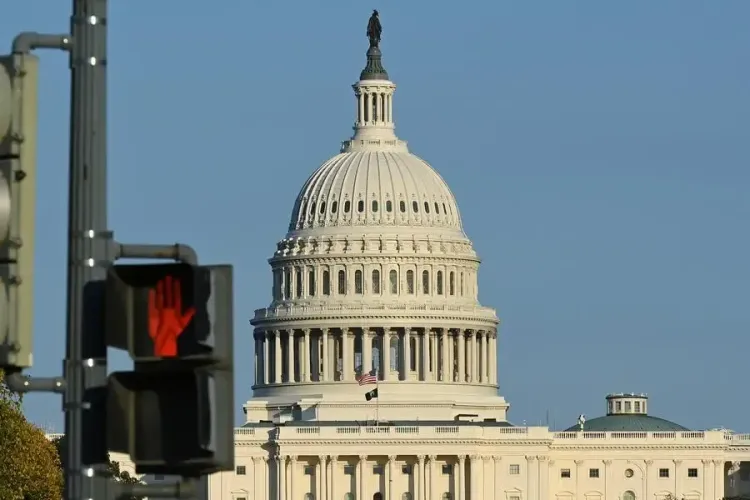
Washington, March 26 (NationPress) US legislators are currently wrestling with a challenging dilemma in contemporary finance—how to adopt innovative technology while safeguarding investors and markets from potential new risks.
During a congressional hearing on Wednesday (local time), lawmakers and industry experts examined the emergence of tokenized securities, an swiftly developing framework that offers faster transactions and broader access. However, it also raises critical issues regarding oversight, transparency, and financial stability.
French Hill, Chairman of the House Committee on Financial Services, expressed that tokenization—utilizing distributed ledger technology to represent financial assets—could enhance "efficiency, transparency, and accessibility" within capital markets.
Nevertheless, he cautioned that this transition presents "significant legal and regulatory policy challenges" and should not compromise investor protections.
Maxine Waters, the Ranking Member, voiced concerns that previous financial innovations often failed the average American, recalling that similar assurances prior to the 2008 crisis enabled Wall Street to establish processes that legitimized predatory lending.
She questioned whether tokenization might introduce new costs and risks primarily benefitting intermediaries.
Industry representatives generally concurred that tokenization could modernize market infrastructure, yet opinions diverged on how far existing regulations should evolve.
Kenneth Bentsen, President of the Securities Industry and Financial Markets Association, asserted that "tokenized securities are still securities" and should remain under established investor protection and market integrity regulations.
He emphasized that US markets are the most "deep and liquid" on a global scale due to robust regulatory systems, warning against broad exemptions that could lead to oversight gaps.
Summer Mersinger, CEO of the Blockchain Association, claimed that tokenization signifies "the next stage in the evolution of capital market infrastructure," facilitating quicker settlements, lowered costs, and broader access for investors.
She urged regulators to clarify their stance, cautioning that innovation is swiftly migrating to regions with more defined regulations.
John Zecca from Nasdaq suggested that this technology should be perceived as an evolution comparable to the transition from paper shares to electronic trading. He remarked, "A tokenized share remains a share," stressing the aim to update systems without altering ownership rights or undermining regulations.
Salman Banaei of Plume highlighted the growing global competition, noting that most tokenized markets are emerging outside the United States. He suggested that clearer guidelines could attract global capital to US markets and enhance investor participation.
Legislators from both sides expressed worries about the risks associated with decentralized trading platforms, including gaps in anti-money laundering compliance, potential market manipulation, and diminished transparency.
Some cautioned that expedited, near-instant settlements—a principal advantage of tokenization—could also heighten financial stress during turbulent market conditions, accelerating sell-offs or liquidity crises.
Others pointed out the risk of fragmented price discovery if both tokenized and traditional versions of identical securities are traded on different platforms.
The current debate hinges on whether the United States can swiftly modernize its regulatory framework to maintain its leadership role while ensuring the protections that foster investor confidence.
Ultimately, lawmakers were informed that tokenization transcends technology—it pertains to the fundamental structure of capital markets and the authority governing their regulations.
Point of View
It's evident that the discourse surrounding tokenization reflects a broader struggle between innovation and regulation. Lawmakers must navigate the complexities of modern finance to ensure that investor protections remain intact while fostering growth in capital markets.
NationPress
24 Sept 2026
Frequently Asked Questions
What are tokenized securities?
Tokenized securities are digital representations of traditional financial instruments, utilizing blockchain technology to facilitate faster and more accessible trading.
Why is regulation important for tokenized finance?
Regulation is crucial to protect investors from potential risks associated with new technologies, ensuring transparency and compliance within the financial markets.
What concerns do lawmakers have about tokenization?
Lawmakers are concerned about issues such as oversight, transparency, potential costs, and the impact on investor protections associated with tokenized finance.
How could tokenization affect market stability?
While tokenization may improve efficiency, it could also introduce risks such as accelerated sell-offs during volatile market conditions, potentially destabilizing financial systems.
What is the future of tokenized finance in the US?
The future of tokenized finance in the US will depend on how effectively regulators can balance innovation with necessary investor protections, ensuring sustainable growth in capital markets.