Intense Senate Debate Surrounds US Banking Overhaul
Synopsis
The latest Senate hearing on US banking reforms reveals a clash over capital rules and crypto oversight, with significant implications for financial stability and innovation. As regulators defend their positions, the debate highlights the tension between safeguarding consumers and fostering economic growth.
Key Takeaways
Senate hearing on US banking reforms highlights significant debates over capital rules and crypto oversight.
Chairman Tim Scott advocates for a focus on financial risk in regulations.
Ranking Member Elizabeth Warren warns against the potential rise in systemic risk.
Regulators are collaborating on a revised Basel proposal to address material risks.
The GENIUS Act seeks to establish clear federal oversight for stablecoins.
Washington, Feb 28 (NationPress) US banking authorities stood firm in their advocacy for comprehensive changes to capital regulations and the establishment of formal cryptocurrency oversight, as senators engaged in a heated debate concerning Basel reforms, political "debanking," and consumer protections during a hearing with significant global ramifications for capital liquidity and digital finance.
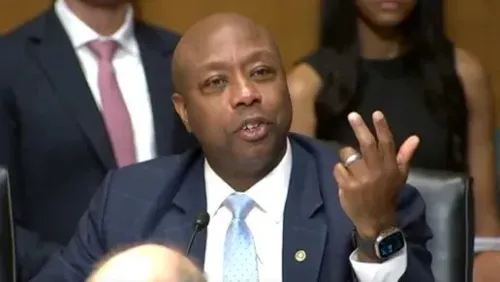
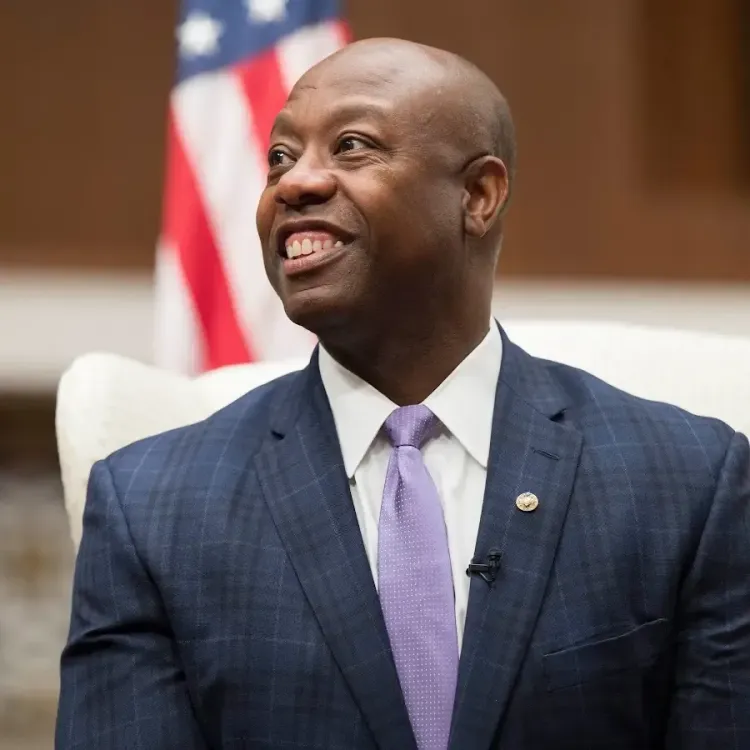
Senate Banking, Housing, and Urban Affairs Committee Chairman Tim Scott emphasized that regulation should be centered on financial risk.
“No law -- no legitimate business in Anderson, South Carolina, or any part of the United States should face restrictions in accessing banking services due to fluctuating political winds or subjective judgments such as reputational risk,” he asserted.
Scott endorsed initiatives to reassess “Biden-era proposals like the Basel III Endgame” and urged regulators to ensure that capital regulations “mirror actual risk without unnecessarily stifling lending opportunities.”
Ranking Member Elizabeth Warren cautioned that relaxing capital standards might elevate systemic risk.
“Everyday Americans are facing hardships, yet it appears to be a prosperous time for Wall Street CEOs,” Warren noted, adding that robust capital buffers diminish “the chances of financial crises and taxpayer-funded bailouts.”
Vice Chair for Supervision Michelle Bowman remarked that the banking industry remains secure.
“The banking system continues to be solid and resilient,” she informed the lawmakers. “Banks are reporting strong capital ratios and substantial liquidity reserves, positioning them favorably to foster economic growth.”
Bowman confirmed that regulators are collaborating with the FDIC and OCC on a revised Basel proposal, emphasizing that supervision should concentrate on “material risks to banking operations and the stability of the overall financial system.”
She also addressed concerns regarding politically motivated account closures.
“We have ceased the practice of incorporating reputational risk in our supervisory frameworks,” Bowman stated. “Banks should retain the autonomy to make informed risk-based decisions that serve customers and lawful businesses without external interference.”
FDIC Chairman Travis Hill stated that the agency is enhancing its supervisory approach to be “less process-oriented and more focused on fundamental financial risks.”
He highlighted that the FDIC had eliminated a “Biden-era prior notification requirement for digital asset activities” and is working to implement the GENIUS Act, which aims to create a regulatory structure for stablecoin issuers.
OCC Comptroller Jonathan Gould defended the agency’s chartering process amidst pointed Democratic inquiries regarding a pending crypto-related application.
“We will process that application as we do with all applications,” Gould replied, assuring that the OCC would adhere to “established protocols.”
National Credit Union Administration Chairman Kyle Hauptman stated that credit unions remain “safe and sound,” emphasizing a newly instituted policy that codifies “no regulation by enforcement.”
The lawmakers also deliberated on direct access to Federal Reserve payment systems. Bowman acknowledged that if a “bad actor were granted direct access,” it could “heighten risks associated with fraud, illegal financing, or operational disruptions.”
On the topic of stablecoins and deposit stability, regulators indicated that they have not observed “massive deposit flight” since the enactment of digital asset legislation.
The hearing highlighted a broader US policy divide concerning the balance between financial stability and innovation. Changes to US capital regulations and cryptocurrency oversight could significantly affect cross-border lending, fintech investments, and dollar liquidity in global markets, including India.
The Basel III reforms were agreed upon following the 2008 financial crisis to compel banks to maintain greater capital and stronger liquidity buffers, aiming to mitigate the risk of another global economic downturn. However, the implementation of these reforms in the US has encountered political pushback, with community banks claiming that stricter regulations hinder lending. Democrats argue that relaxing these rules could increase systemic risks.
The GENIUS Act represents Washington's latest initiative to regulate stablecoins, seeking to bring digital dollar tokens under clear federal governance.
Point of View
The Senate's deliberations reflect a crucial moment in US financial policy, highlighting the balance between regulatory oversight and the need for economic growth. The ongoing debate reveals deep divisions and varying priorities among lawmakers, with potential repercussions for both domestic and international markets.
NationPress
7 Oct 2026
Frequently Asked Questions
What are the main issues discussed in the Senate banking hearing?
The hearing focused on capital regulations, cryptocurrency oversight, political debanking, and consumer protections.
Who defended the banking reforms during the hearing?
Senate Banking Committee Chairman Tim Scott and Vice Chair for Supervision Michelle Bowman defended the banking reforms.
What is the GENIUS Act?
The GENIUS Act is a regulatory framework aimed at overseeing stablecoin issuers in the US.
What concerns did Elizabeth Warren raise?
Elizabeth Warren warned that relaxing capital requirements could increase systemic risk in the financial sector.
How have regulators responded to concerns about account closures?
Regulators, including Michelle Bowman, stated they have eliminated the use of reputational risk in supervisory programs.