Is There a Fiery Senate Clash Over the US Economy and Banks?

Synopsis
In a charged Senate Banking Committee session, Treasury Secretary Scott Bessent defended economic policies amid fierce opposition from Senator Elizabeth Warren. With critical topics like inflation and bank regulation on the table, the hearing showcased deep ideological divides over the future of U.S. financial stability. Explore the implications of these discussions on everyday Americans.
Key Takeaways
The Senate Banking Committee hearing highlighted a significant partisan divide over economic policies.
Treasury Secretary Scott Bessent defended the administration's approach to financial stability.
Senator Elizabeth Warren expressed concerns over rising costs and regulatory rollbacks.
The FSOC has shifted its focus towards growth and economic security.
Key priorities outlined in the FSOC's 2025 report include AI and cybersecurity.
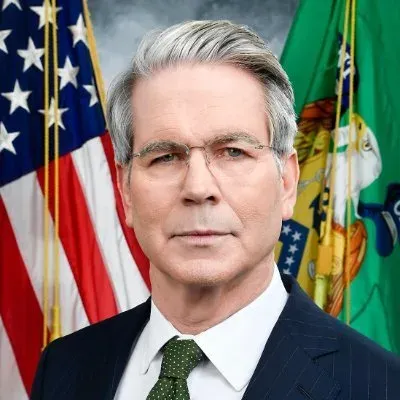
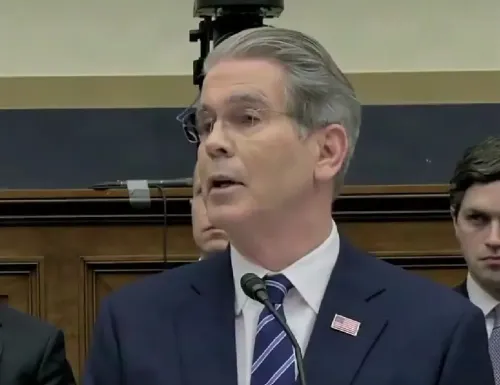
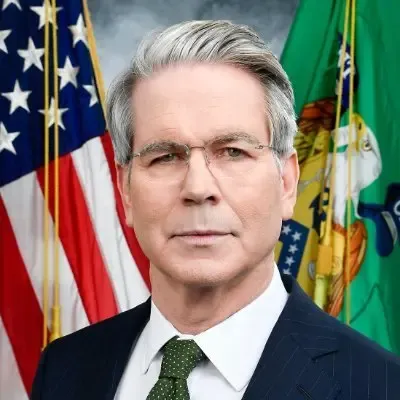
Washington, Feb 6 (NationPress) A heated partisan debate regarding inflation, bank regulations, and financial stability took center stage during a Senate Banking Committee hearing as Treasury Secretary Scott Bessent defended the administration’s economic track record alongside the Financial Stability Oversight Council’s 2025 annual report.
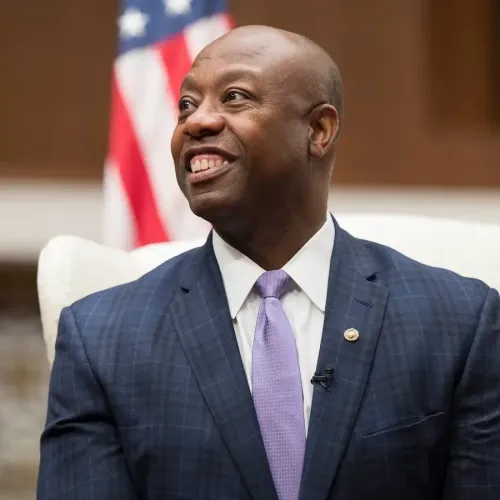
In his remarks, Committee Chairman Tim Scott emphasized the importance of growth and affordability, cautioning against policies that would burden families. “A system that slows growth, limits opportunity, or prices families out of essential financial services is not a stable system,” Scott stated.
Bessent informed the lawmakers that the FSOC has shifted its approach, moving away from what he termed “regulation by reflex.” The focus now lies on fostering growth and economic security. “Promoting economic growth and security is crucial for ensuring financial stability,” he asserted.
He pointed out that the 2025 report outlines four key priorities: Treasury markets, cybersecurity, regulatory modernization, and artificial intelligence. “The council is prioritizing the responsible application of artificial intelligence to enhance financial stability,” Bessent noted.
Ranking Member Elizabeth Warren expressed strong dissent, accusing the administration of dismantling safeguards and failing to reduce costs. “Donald Trump campaigned on lowering costs from day one,” she remarked. “But after 381 days in office, his economic policies have led to rising prices.”
Warren highlighted that families are facing increased expenses for groceries, electricity, healthcare, and housing, suggesting that Wall Street is thriving while households are struggling. She also warned about overlooked risks, stating, “The private credit market resembles a ticking time bomb.”
Bessent refuted these allegations, attributing inflation to the policies of the previous administration. “There was a decline in real purchasing power for working families,” he stated, while noting the improving conditions. “The CPI for 2025 was 2.7 percent, and we have observed a decrease to 2.1 percent over the past three months,” he added.
The hearing highlighted significant divisions concerning regulation. Scott mentioned that revising bank rules aims to eliminate unnecessary burdens rather than weaken oversight. “Coordination is essential,” he remarked, cautioning that overlapping regulations elevate costs and limit access to credit.
Warren countered that relaxing regulations could lead to another crisis, reminding that Congress established FSOC after the 2008 financial crash to protect families from the risky behaviors of large financial institutions.
Bessent clarified that the goal is not to eradicate risk. “Federal agencies must resist the urge to construct a zero-risk financial system,” he cautioned, labeling such an approach as “the stability of the graveyard.”
The hearing also touched on tariffs, digital assets, and manufacturing, with Bessent asserting that the United States is “on the cusp of a manufacturing boom.” Democrats pointed to recent job losses and increasing costs for small businesses.
Bessent noted that FSOC has ceased labeling “almost every major market and financial sector” as a threat. “We are filtering out the white noise to focus on the most significant issues,” he stated.
Established post the 2008 global financial crisis, FSOC monitors risks across the financial sector, uniting regulators from the Treasury Department, the Federal Reserve, and other entities.
Point of View
The Senate Banking Committee hearing reflected a significant clash of ideologies that could impact millions of American families. With inflation and financial regulation at the forefront, it is crucial for policymakers to strike a balance that ensures stability while fostering growth. This ongoing dialogue emphasizes the need for vigilance in safeguarding the financial interests of the public.
NationPress
20 Sept 2026
Frequently Asked Questions
What were the main topics discussed in the Senate Banking Committee hearing?
The main topics included inflation, bank regulation, financial stability, and the Financial Stability Oversight Council's 2025 annual report.
Who were the key figures involved in the hearing?
Key figures included Treasury Secretary Scott Bessent and Ranking Member Elizabeth Warren, who had opposing views on economic policies.
What is the role of the Financial Stability Oversight Council?
The FSOC monitors risks across the financial system and was established to protect families from financial crises.
What were the priorities highlighted in the 2025 report?
The priorities include Treasury markets, cybersecurity, regulatory modernization, and artificial intelligence.
How did the hearing reflect divisions in economic policy?
The hearing showcased contrasting views between promoting growth and maintaining regulatory safeguards, highlighting deep ideological divides.