What Reforms Are Proposed in the Financial Sector for Viksit Bharat Vision?
Synopsis
Discover the latest proposals in India's financial sector as Finance Minister Nirmala Sitharaman unveils strategic reforms aimed at bolstering the banking system and attracting foreign investments while paving the way for Viksit Bharat.
Key Takeaways
Formation of a high-level banking committee to review the banking sector.
Proposed changes to foreign investment regulations to attract global capital.
Increased investment limits for non-residents in Indian equity markets.
Restructuring of key public sector financial institutions.
Focus on enhancing financial stability and consumer protection.
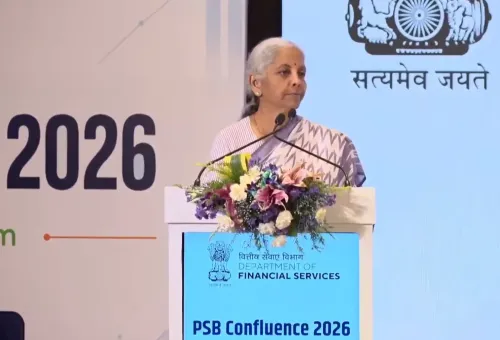
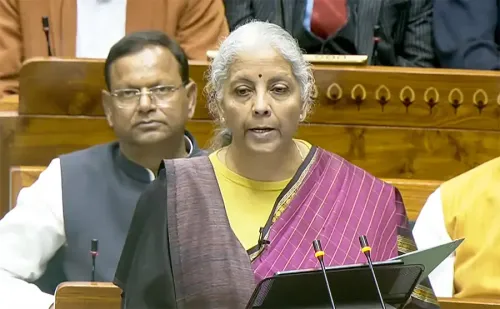
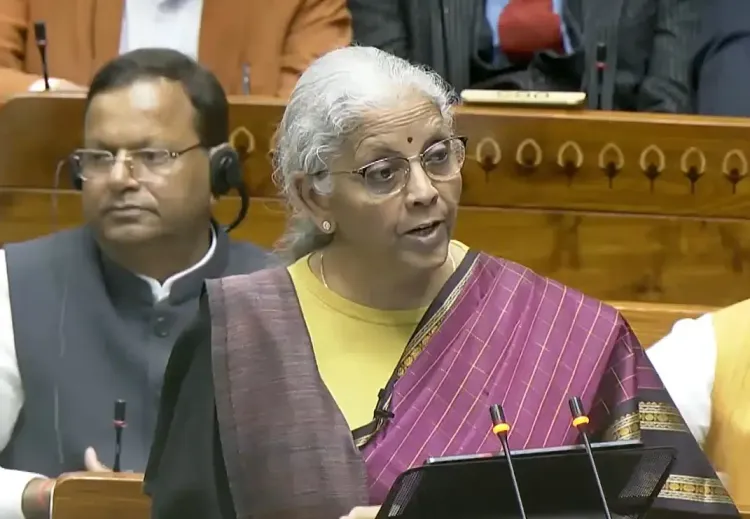
New Delhi, Feb 1 (NationPress) In her Union Budget address for 2026-27, Finance Minister Nirmala Sitharaman presented a series of innovative proposals targeting the financial sector. The primary objective is to reinforce India's banking framework and facilitate business operations as the nation strides towards achieving the Viksit Bharat vision.
One of the standout announcements was the formation of a high-level committee dedicated to Banking for Viksit Bharat. This committee is tasked with performing a thorough assessment of the banking industry, encompassing both banks and non-banking financial institutions.
The goal is to synchronize the sector with India’s forthcoming economic expansion, ensuring financial stability, enhanced inclusion, and robust consumer protection.
During her speech, Finance Minister Sitharaman emphasized the sector's existing strengths, including solid balance sheets, record profitability, and nearly universal banking service access, with 98 percent of villages now served. The committee will propose reforms to boost efficiency, scale, and readiness for upcoming challenges.
To reinforce public sector financial organizations in the energy sector, the minister suggested a restructuring of the Power Finance Corporation and the Rural Electrification Corporation. This initiative aims to achieve greater scale and operational efficacy in these essential non-banking entities, thereby supporting infrastructure funding and the government's energy sector development efforts.
Additionally, a comprehensive examination of the Foreign Exchange Management Act rules concerning non-debt instruments was announced. The intention is to create a more modern and user-friendly framework for foreign investments that aligns with changing economic priorities.
This change is anticipated to simplify processes and draw additional global capital into Indian markets.
For deepening bond markets, there were proposals to enhance corporate and municipal bonds. Incentives will be introduced to encourage larger issuances by municipal corporations, creating alternative funding avenues for urban infrastructure.
In a significant advancement towards easing business operations and expanding foreign participation, residents outside India will now be allowed to invest in equity instruments of listed Indian firms through the portfolio investment scheme.
Furthermore, the investment cap for each individual is proposed to rise from five percent to ten percent, with the total limit for all such investors increasing from ten percent to 24 percent.
This adjustment is designed to enhance liquidity in equity markets and attract more varied international investments. The market's response has been favorable, with shares of related entities experiencing gains amid optimism regarding the proposed reforms. These proposals indicate a proactive strategy to strengthen India’s financial framework amid global uncertainties.
Point of View
These proposals reflect a strong commitment to enhancing India's financial ecosystem, aligning with global trends and local needs. The emphasis on consumer protection and financial stability shows a responsible approach in navigating the complexities of our economy.
NationPress
12 Oct 2026
Frequently Asked Questions
What is the primary objective of the proposed reforms?
The primary objective is to strengthen India's banking system and enhance the ease of doing business in line with the Viksit Bharat vision.
What changes are being made to foreign investments?
The investment cap for individuals residing outside India is proposed to increase from five percent to ten percent, with the overall limit for all such investors rising from ten percent to 24 percent.
How will the new banking committee function?
The high-level committee will conduct a thorough review of the banking sector, including banks and non-banking financial companies, to recommend reforms that improve efficiency and readiness for future challenges.
What is the significance of the restructuring of Power Finance Corporation?
Restructuring aims to enhance operational efficiency and scale within key non-banking entities that support critical infrastructure financing in the energy sector.
How will these reforms impact investors?
These reforms are expected to boost liquidity in equity markets and attract more diverse international investments, enhancing overall market dynamics.