PM Modi vows to crush terror ecosystem on Operation Sindoor anniversary
Synopsis
A year after Operation Sindoor reshaped India's counter-terror doctrine, PM Modi has signalled that New Delhi's resolve is unchanged — and speculation about an imminent Agni-6 missile test over the Bay of Bengal suggests India's strategic messaging is far from over.
Key Takeaways
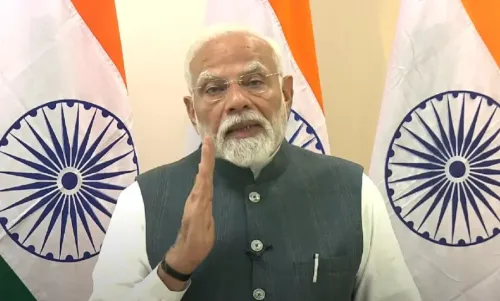
PM Modi reaffirmed India's resolve to "defeat terrorism and destroy its enabling ecosystem" on the first anniversary of Operation Sindoor .
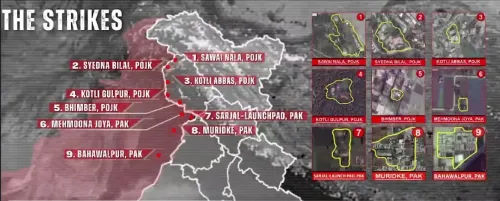
The operation, launched on 7 May 2025 , targeted terrorist camps in Pakistan and Pakistan-Occupied Kashmir in response to the Pahalgam attack that killed 26 people .
The four-day conflict left more than 70 people dead on both sides; Pakistan claimed to have downed 5 Indian jets , including 3 Rafales — a claim India has not acknowledged.
A ceasefire took effect on 10 May 2025 ; India rejects claims of US mediation , maintaining the truce was bilateral.
Speculation is mounting over an imminent Agni-6 missile test, with a NOTAM issued over the Bay of Bengal and reports of a range of up to 10,000 km .
Prime Minister Narendra Modi has reaffirmed India's unwavering resolve to eliminate terrorism and dismantle the "ecosystem" supporting it, marking one year since the launch of Operation Sindoor — the military campaign launched in response to the 22 April 2025 terror attack in Pahalgam, Jammu and Kashmir, which killed 26 people, most of them Hindu tourists. The anniversary has brought India's counter-terror doctrine back into sharp national focus.
What PM Modi Said
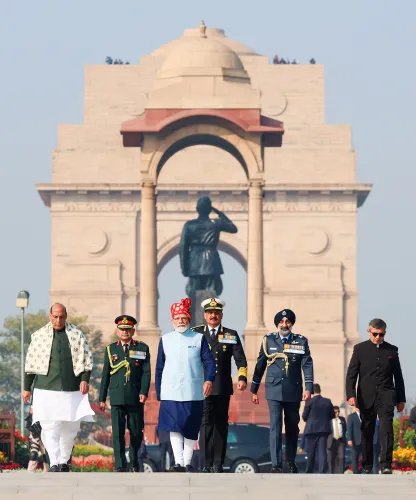
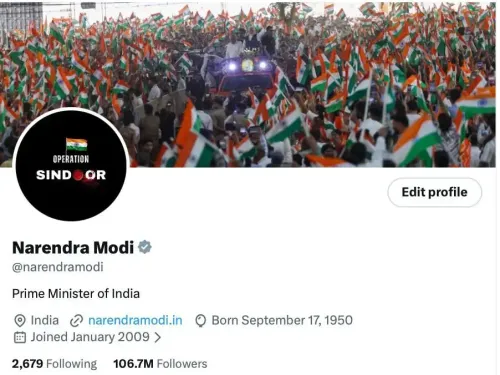
"We remain as steadfast as ever in our resolve to defeat terrorism and destroy its enabling ecosystem," Prime Minister Modi said, according to reports. He also praised the armed forces for delivering what he described as a "fitting response" to those responsible for the Pahalgam killings. The remarks signal that New Delhi's hardline posture toward cross-border terror networks has not softened in the year since the conflict.
Operation Sindoor: What Happened
India launched strikes on 7 May 2025, targeting what it described as terrorist camps in Pakistan and Pakistan-Occupied Kashmir. Pakistan retaliated, triggering aerial engagements, drone attacks, and heavy shelling across the border. The four-day conflict left more than 70 people dead on both sides, according to reports. Pakistan claimed it had shot down five Indian fighter jets, including three Rafale aircraft, though India has not officially acknowledged any aircraft losses.
The operation was named "Sindoor" — a reference to the red vermillion traditionally worn by married Hindu women — chosen to signify vengeance for the widowing of women whose husbands were killed in the attack. The symbolic weight of the name underscored the emotional and political gravity of the military response.
The Ceasefire and Mediation Dispute
A ceasefire came into effect on 10 May 2025 after US President Donald Trump announced a truce on his Truth Social platform. However, India has consistently maintained that the understanding to halt hostilities was reached directly between New Delhi and Islamabad, firmly rejecting claims of third-party mediation. This distinction has remained a point of diplomatic contention in the months since.
Agni-6 Missile Test Speculation
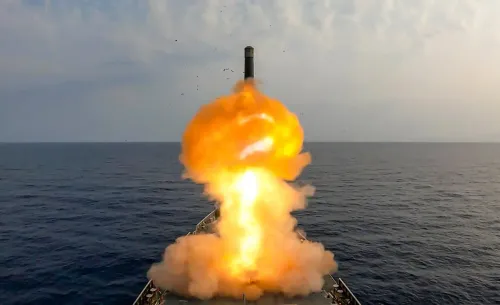
The anniversary has also coincided with speculation about an imminent test of India's domestically developed Agni-6 missile system. According to social media posts cited in reports, the Agni-6 could have a range of up to 10,000 km and the capability to carry multiple nuclear warheads. The Bharatiya Janata Party (BJP) has projected the missile as a symbol of India's growing strategic strength. Indian media reports also noted that a Notice to Air Missions (NOTAM) had been issued for a warning zone over the Bay of Bengal, fuelling speculation about an imminent test, though no official confirmation has been issued.
India-Pakistan Ties: A Year On
Ties between the two nuclear-armed neighbours nosedived following the Pahalgam attack. India accused Pakistan of backing the attackers — a charge Islamabad rejected — leading to heightened diplomatic tensions before the rapid military escalation. A year on, the relationship remains deeply strained, with no credible diplomatic thaw in sight. The Operation Sindoor anniversary serves as a reminder that New Delhi has recalibrated its threshold for military response to cross-border terror, a posture Modi's government shows no sign of walking back.
Point of View
'enabling networks' — is deliberate: it frames future military action as pre-authorised policy rather than reactive escalation. What mainstream coverage underplays is the Agni-6 speculation arriving precisely at this moment; whether coincidence or choreography, the strategic signalling to both Pakistan and global observers is unmistakable. The unresolved dispute over US mediation also lingers — India's insistence on bilateralism is not just diplomatic pride, it is a refusal to allow any external actor a permanent seat at the India-Pakistan table. A year on, the real question is not whether India will respond to the next attack, but whether the threat of response is sufficient deterrence — and the evidence so far is inconclusive.
NationPress
24 Sept 2026
Frequently Asked Questions
What is Operation Sindoor?
Operation Sindoor was India's military campaign launched on 7 May 2025, targeting terrorist camps in Pakistan and Pakistan-Occupied Kashmir in retaliation for the 22 April 2025 Pahalgam terror attack that killed 26 people. The four-day operation was named after the red vermillion worn by married Hindu women, symbolising vengeance for the victims' widows.
What did PM Modi say on the Operation Sindoor anniversary?
PM Modi stated, "We remain as steadfast as ever in our resolve to defeat terrorism and destroy its enabling ecosystem." He also praised the armed forces for their response to the Pahalgam attack, signalling that India's hardline counter-terror posture remains unchanged.
How did the India-Pakistan conflict end?
A ceasefire came into effect on 10 May 2025 after US President Donald Trump announced a truce on his Truth Social platform. India, however, maintains that the halt to hostilities was agreed directly between New Delhi and Islamabad, rejecting any suggestion of third-party mediation.
What is the Agni-6 missile and why is it in the news?
The Agni-6 is India's domestically developed long-range ballistic missile, reportedly capable of a range of up to 10,000 km and carrying multiple nuclear warheads, according to social media posts cited in reports. Speculation about an imminent test has grown after a Notice to Air Missions (NOTAM) was issued over the Bay of Bengal, though no official confirmation has been provided.
What were the casualties in the Operation Sindoor conflict?
The four-day conflict between India and Pakistan left more than 70 people dead on both sides, according to reports. Pakistan claimed it shot down five Indian fighter jets including three Rafale aircraft, but India has not officially acknowledged any aircraft losses.