Is the US Prioritizing Economic Growth and Household Security for Financial Stability?
Synopsis
The US Treasury has shifted its focus towards enhancing economic growth and household security as essential elements for financial stability. This new direction aims to identify specific vulnerabilities rather than applying a blanket regulatory approach. Lawmakers express differing views on this strategy, reflecting ongoing debates about financial oversight and stability.
Key Takeaways
Focus on economic growth as a path to stability.
Household security is now a priority for financial policy.
Shift from reactive to proactive regulation.
Lawmakers are divided on the implications of reduced oversight.
FSOC aims to identify specific vulnerabilities in the financial system.
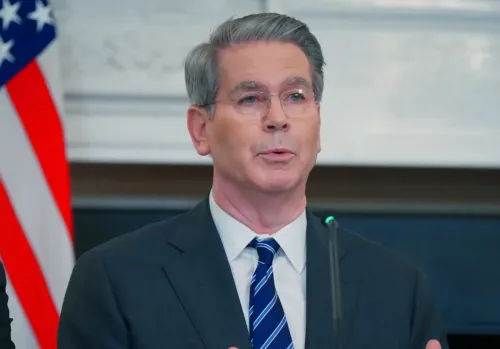
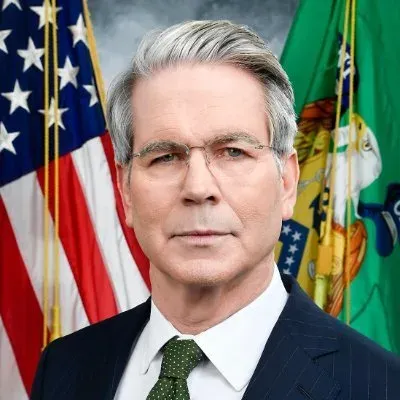
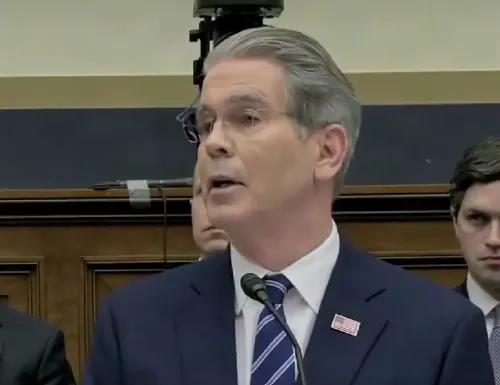
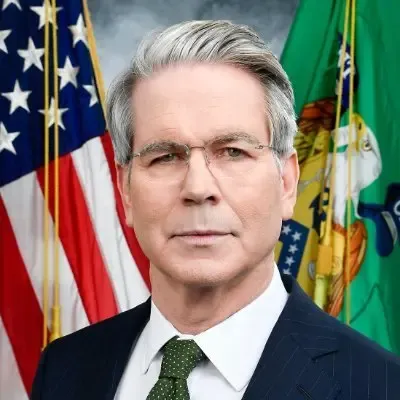
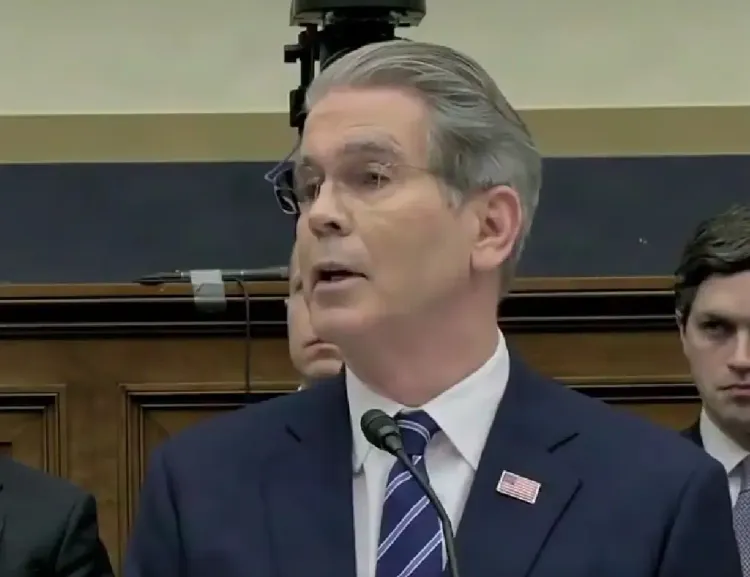
Washington, Feb 6 (NationPress) Treasury Secretary Scott Bessent informed lawmakers that the focus has shifted towards economic growth and household security as key elements in maintaining the integrity of the financial system.
During his testimony before the Senate Banking Committee on Thursday, Bessent indicated that the Financial Stability Oversight Council (FSOC) is moving away from a reflexive regulatory approach. He stated, “Promoting economic growth and economic security is essential to ensuring financial stability.”
This hearing represented the inaugural thorough examination by Congress of FSOC’s annual report for 2025. According to Bessent, the council is now concentrating on pinpointing specific vulnerabilities instead of vaguely categorizing large economic sectors as risks.
“In the past, regulation often resembled a reflexive response,” he commented, expressing that regulators acted more like a “hazmat cleanup team” rather than proactively preventing hazardous spillovers.
Bessent argued that excessive regulation could jeopardize stability by hampering growth and curtailing opportunities, asserting that “economic stagnation poses a significant threat to financial stability.”
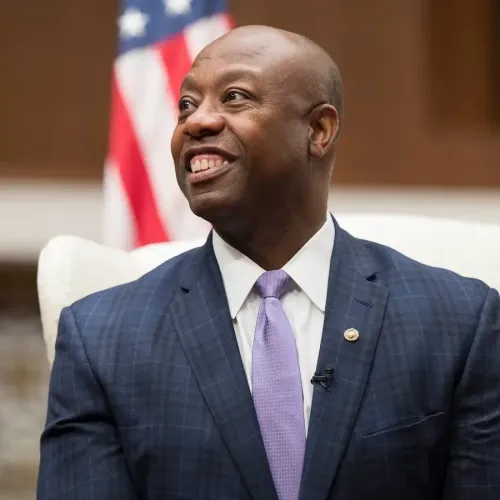
Republican Chairman Tim Scott acknowledged the new direction, emphasizing that affordability and growth should progress in tandem. “A system that inhibits growth, restricts opportunities, or excludes families from essential financial services is inherently unstable,” Scott remarked.
Ranking Member Elizabeth Warren from the Democratic Party criticized the administration for weakening protective measures. “Congress established FSOC following the 2008 financial crisis to safeguard families,” she cautioned, suggesting that risks are being overlooked.
Bessent dismissed such assertions, highlighting that previous strategies had muddled priorities. “FSOC has moved away from its earlier practices where almost every significant market and financial sector was labeled as a financial stability threat,” he stated.
He explained that the council is now primarily focused on fortifying household and business balance sheets. “Economic growth enhances household, business, and financial institution balance sheets, establishing capital buffers that mitigate the risk of defaults and financial strain,” Bessent noted.
Lawmakers engaged in heated debates concerning the origins of inflation and bank collapses.
Warren warned that reducing oversight could trigger another crisis. “The private credit market resembles a ticking time bomb,” she asserted.
Bessent clarified that FSOC’s mission is not to eradicate risk completely. “Federal agencies should resist the urge to create a zero-risk financial environment,” he cautioned, referring to it as “the stability of the graveyard.”
FSOC was established in response to the 2008 global financial crisis to monitor systemic risks across markets and institutions. It convenes senior regulators from the Treasury, Federal Reserve, and other agencies.
The regulatory and growth strategies of the United States are closely observed by global markets, including India, where banks, investors, and policymakers monitor US indicators for capital flows and financial conditions.
Point of View
It is crucial to recognize the ongoing evolution in the US financial landscape. The Treasury's focus on economic growth and household security represents a proactive step towards addressing vulnerabilities in the financial system. While this shift garners support from some lawmakers, it raises important questions about the balance between growth and regulatory oversight. NationPress remains committed to providing comprehensive coverage as these developments unfold.
NationPress
6 Oct 2026
Frequently Asked Questions
What is the new focus of the US Treasury?
The US Treasury is now prioritizing economic growth and household security as critical elements for maintaining financial stability.
Who is Scott Bessent?
Scott Bessent is the Treasury Secretary who announced the shift in focus regarding financial stability.
Why is excessive regulation a concern?
Excessive regulation can hinder economic growth and limit opportunities, ultimately posing a risk to financial stability.
What did Elizabeth Warren say regarding financial oversight?
Elizabeth Warren criticized the administration for weakening financial guardrails, suggesting it could lead to another crisis.