US Politicians Raise Concerns About Social Media's Impact on Youth and Democracy

Synopsis
In a recent Senate hearing, US lawmakers from both parties voiced alarm over social media's pervasive influence, particularly on children and democratic discourse. They discussed the urgent need for regulatory reforms to address the risks posed by platform design choices and misinformation.
Key Takeaways
Bipartisan concern over social media's impact on youth.
Urgent need for regulatory reforms to protect children.
Social media features are designed to maximize user engagement.
Misinformation and polarization are reshaping political discourse.
Constitutional challenges hinder efforts to combat harmful content.
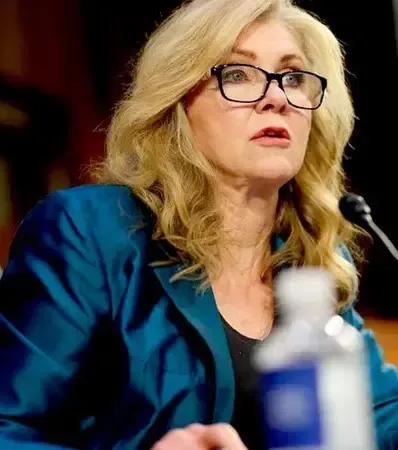
Washington, March 19 (NationPress) Lawmakers in the United States, spanning across various political parties, expressed serious concern regarding the extensive influence of social media platforms. They cautioned that the effects on children, public dialogue, and the dissemination of information have outpaced current legislative frameworks.
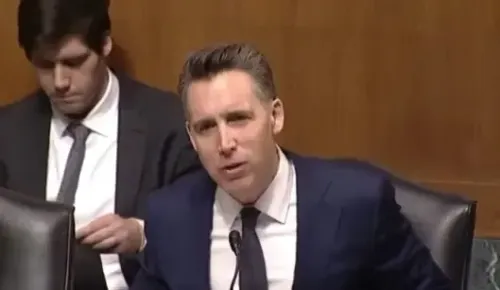
During a Senate hearing commemorating 30 years of Section 230 on Wednesday (local time), senators consistently highlighted what they perceived as a digital ecosystem failing to serve the public good.
“Everyone here concurs that the digital public sphere is not functioning in favor of Americans or our democracy,” stated Nadine Farid Johnson, policy director at the Knight First Amendment Institute, setting a serious tone for a hearing centered on the societal ramifications of platform dominance.
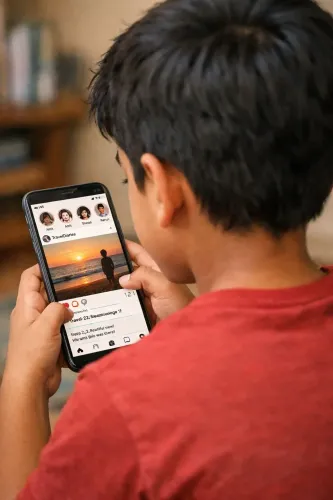
The most poignant testimonies focused on the impact on children. Matthew Bergman, an attorney representing affected families, described the “carnage” inflicted by social media design choices. He claimed that these platforms make “deliberate design decisions… to target children, prioritizing profits over their safety.”
Lawmakers echoed these worries, referencing instances where minors encountered harmful content, including material that promotes self-harm and exploitation.
“These situations are not about safeguarding speech,” Bergman emphasized. “They stem from the intentional design choices of companies that place profit above the lives and safety of children.”
Numerous senators contended that addictive features—such as algorithmic targeting, endless scrolling, and push notifications—are purposely designed to maximize engagement, especially among younger audiences.
Simultaneously, lawmakers cautioned that misinformation and polarization are reshaping political conversations in the U.S.
Senator Ted Cruz accused tech platforms of acting as arbiters of free speech, asserting they “simply erase views they oppose and silence dissenting voices.” He further alleged that government pressure on these platforms exacerbates the distortion of online dialogue.
Other senators noted that the concerns transcend political affiliations. Senator Brian Schatz recognized that both sides of the aisle have engaged in what witnesses referred to as “jawboning”—informal pressures on platforms to moderate content.
Witnesses cautioned that such dynamics could erode trust in both digital platforms and institutional frameworks.
Daphne Keller remarked that the concentration of communication power within a few companies puts free speech at risk. “Our ability to express ourselves is heavily reliant on these large private corporations,” she remarked, characterizing the current situation as one of “unprecedented vulnerability.”
However, attempts to combat misinformation pose constitutional challenges. Keller highlighted that much harmful or offensive content remains protected speech, which restricts the government's ability to mandate its removal.
Point of View
Reflecting a nation-first approach to safeguarding digital spaces.
NationPress
7 Oct 2026
Frequently Asked Questions
What concerns did lawmakers raise during the Senate hearing?
Lawmakers expressed concerns about social media's impact on children, public discourse, and the need for regulatory reforms to address issues like misinformation and platform design choices.
Who participated in the Senate hearing?
The hearing featured testimonies from lawmakers, experts, and representatives from organizations focused on free speech and child safety.
What is Section 230, and why is it significant?
Section 230 is a law that provides immunity to online platforms from being held liable for user-generated content, and its implications were a key topic of discussion at the hearing.
What are the potential risks of social media for children?
Lawmakers highlighted risks such as exposure to harmful content, addiction to features designed to maximize engagement, and the prioritization of profit over child safety.
What actions are lawmakers considering regarding social media regulation?
Lawmakers are considering reforms to balance free speech with the need for accountability and safety on social media platforms.