Giriraj Singh flags bamboo, banana fibres as India's textile future
Synopsis
Union Textiles Minister Giriraj Singh spotlighted an Ahmedabad workshop on new-age natural fibres — bamboo, banana, pineapple, milkweed — arguing that converting agri-residues into commercial yarn can drive circular economy goals while creating fresh income for farmers and MSMEs under the Atmanirbhar Bharat framework.
Key Takeaways
Union Textiles Minister Giriraj Singh flagged a workshop in Ahmedabad on next-generation natural fibres held on 21 August 2026 .
Fibres discussed include bamboo, banana, pineapple, and milkweed — all derived from agricultural residues or bio-waste.
The initiative is framed around circular economy principles: converting farm waste into textile-grade fibre and yarn.
Intended beneficiaries are farmers, MSMEs, and the textile industry , with new income streams and reduced import dependence as goals.
The push aligns with the National Technical Textiles Mission (2020) , the PLI scheme for textiles (2021) , and the Atmanirbhar Bharat framework.
Ahmedabad, a major textile manufacturing hub, hosted the workshop, signalling intent to commercialise these fibres at scale.
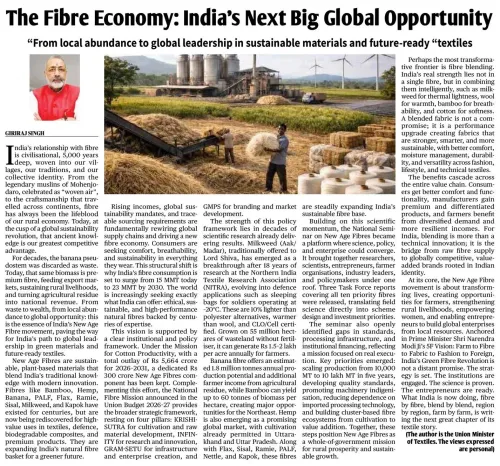
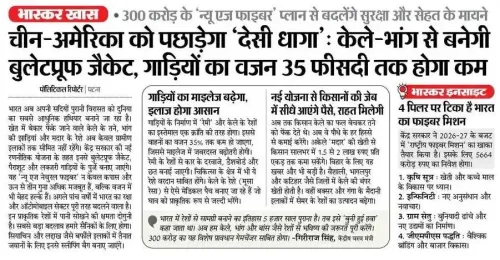
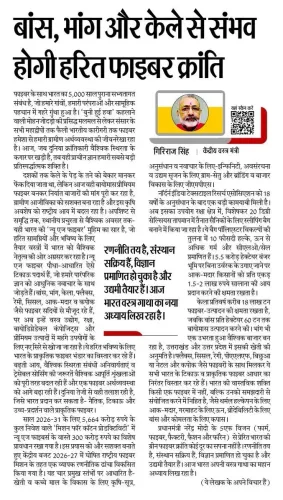
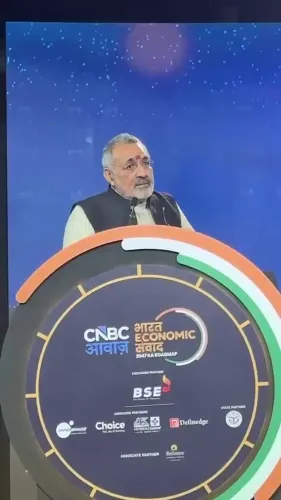
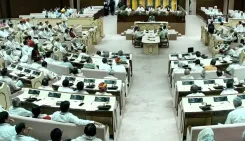
India's textile sector is being nudged toward a quieter revolution — one that begins not in a factory, but on a farm. Union Textiles Minister Giriraj Singh on Friday, 21 August 2026, highlighted a workshop held in Ahmedabad focused on next-generation natural fibres, pointing to bamboo, banana, pineapple, and milkweed as the raw materials that could reshape what India wears — and how it makes it.
Posting in Hindi, the Minister wrote: 'भारत के वस्त्र क्षेत्र में सस्टेनेबिलिटी और इनोवेशन को नई दिशा!' — 'A new direction for sustainability and innovation in India's textile sector!' The workshop, organised under the Ministry of Textiles, brought together discussion on developing and deploying alternative natural fibres derived from agricultural residues and bio-waste into commercial fibre and yarn.
From farm waste to wearable fibre
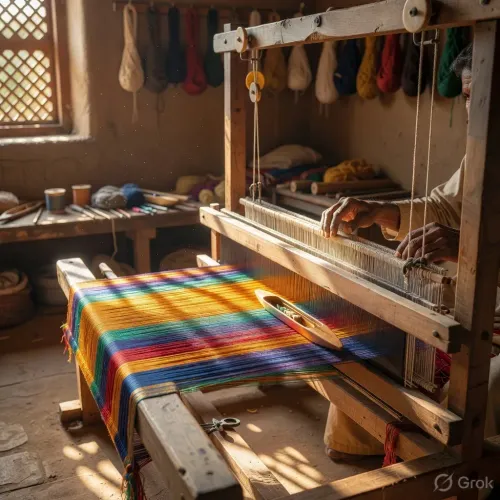
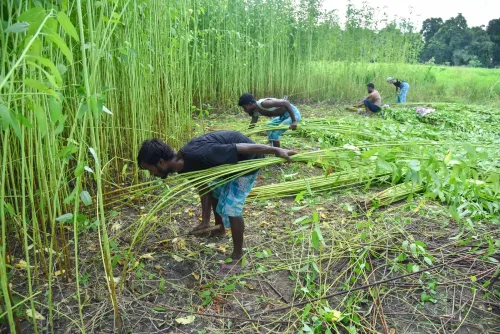
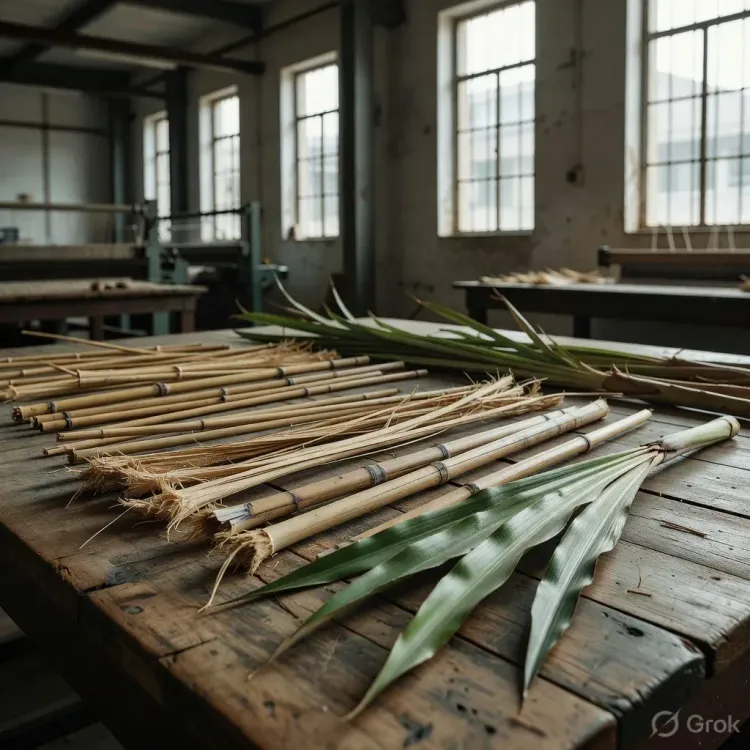
The core proposition is straightforward but consequential. Crop residues and bio-waste — materials farmers currently burn or discard — can be converted into textile-grade fibre. That pivot does two things at once: it cuts down on agricultural burning, a persistent environmental flashpoint, and it hands rural producers a new income stream from what was previously worthless stubble. Bamboo, banana stem, pineapple leaf, and milkweed are among the fibres discussed at the Ahmedabad workshop. Each offers distinct properties — bamboo is fast-growing and moisture-wicking, pineapple leaf fibre (known commercially as Piñatex) has already found global traction in sustainable fashion, and milkweed carries natural thermal insulation. The workshop's focus on converting these into yarn signals a move toward domestic processing, not just raw material harvesting.Where this fits India's textile policy arc
Ahmedabad is not an accidental venue. The city is one of India's oldest and largest textile manufacturing hubs, making it a natural site to road-test ideas that must eventually scale commercially. The Ministry of Textiles has been building toward this moment through two key instruments: the National Technical Textiles Mission, approved in 2020 to drive fibre research and innovation, and the Production Linked Incentive scheme for textiles, launched in 2021 to incentivise value-added manufacturing and exports. Both schemes share a common thread — reducing India's dependence on imported synthetics and commodity cotton by deepening the domestic value chain. New-age natural fibres extend that logic into sustainability territory, aligning textile policy with the broader Atmanirbhar Bharat self-reliance framework that has governed industrial strategy since 2020.What MSMEs and farmers stand to gain
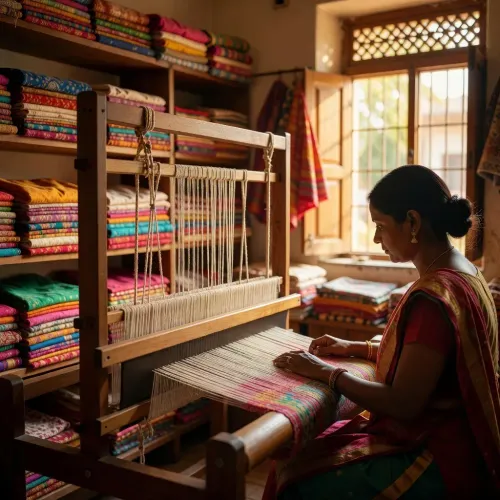
The Minister specifically named farmers, MSMEs, and the textile industry as the three constituencies that stand to benefit from scaling alternative fibre production. For farmers, it means monetising residue. For MSMEs — the backbone of India's decentralised textile clusters — it opens a differentiated product line at a moment when global buyers are actively seeking sustainably sourced materials. For the broader industry, it reduces raw material price volatility tied to cotton cycles and petrochemical markets. The circular economy framing is deliberate: fibre from waste, processed locally, sold globally. Whether pilot projects or technology-transfer mechanisms follow the Ahmedabad workshop into actual production lines will be the real test of momentum. India's looms have always run on what the land provides. The question now is whether agricultural waste becomes the next thread in that story — and Ahmedabad may have just been where that answer started taking shape.Point of View
The ministry is attempting to fuse environmental sustainability with industrial self-reliance, two policy goals that have historically pulled in different directions. The explicit inclusion of farmers and MSMEs as named beneficiaries is politically significant: it widens the constituency for textile reform beyond mill owners and exporters. The real indicator to watch is whether the workshop translates into funded pilot projects or technology-transfer programmes — without that, it remains an aspiration dressed in policy language.
NationPress
21 Aug 2026
Frequently Asked Questions
What is the Ahmedabad textile workshop on new-age fibres about?
The workshop, highlighted by Union Textiles Minister Giriraj Singh on 21 August 2026, focused on developing and using alternative natural fibres such as bamboo, banana, pineapple, and milkweed in India's textile sector, with an emphasis on converting agricultural residues and bio-waste into commercial fibre and yarn.
What are new-generation natural fibres in textiles?
New-generation natural fibres are plant-based materials beyond conventional cotton, including bamboo, banana stem, pineapple leaf, and milkweed, which can be processed into textile-grade fibre and yarn, often using agricultural by-products or waste.
How does bamboo or banana fibre help Indian farmers?
Converting crop residues and bio-waste into textile fibre creates an additional income stream for farmers from materials they would otherwise burn or discard, while also reducing agricultural waste and associated environmental damage.
What government schemes support sustainable textiles in India?
The National Technical Textiles Mission, approved in 2020, and the Production Linked Incentive scheme for textiles, announced in 2021, are the two main central government instruments supporting fibre innovation and value-added textile manufacturing in India.
What is Giriraj Singh's role in India's textile sector?
Giriraj Singh is the Union Minister of Textiles, heading the Ministry of Textiles which is responsible for policy, development, and promotion of India's textile and apparel sector. He is also a senior BJP leader and Lok Sabha MP from Begusarai, Bihar.