Is Deepawali Now Recognized in UNESCO's Intangible Cultural Heritage?
Synopsis
Deepavali has gained international acclaim as it has been included in UNESCO's prestigious Intangible Cultural Heritage List. This recognition not only celebrates India's rich cultural tapestry but also highlights the significance of preserving such traditions globally. Discover how this festival's inclusion enhances India's cultural prestige on the world stage.
Key Takeaways
Deepavali is now part of UNESCO's Intangible Cultural Heritage .
The festival celebrates the rich cultural heritage of India.
Delhi government will enhance the festive spirit through various initiatives.
India now has 15 elements on the UNESCO list.
UNESCO aims to protect and promote cultural practices worldwide.
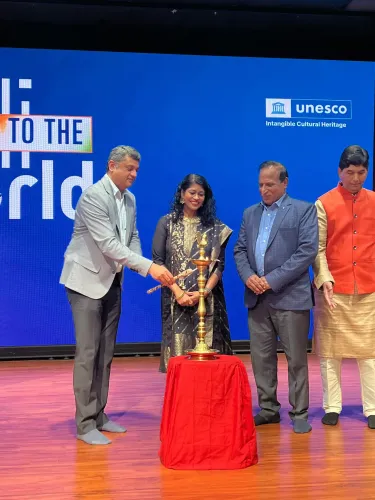
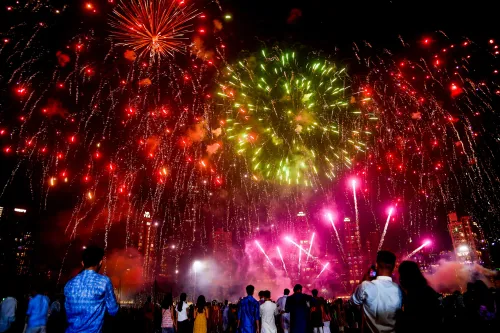
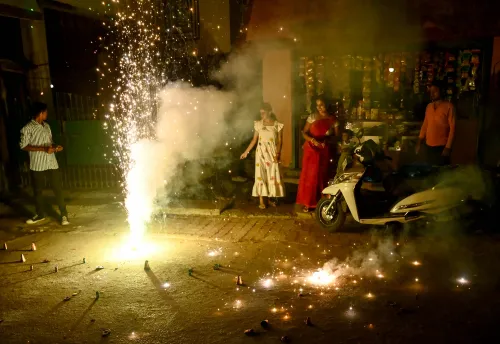
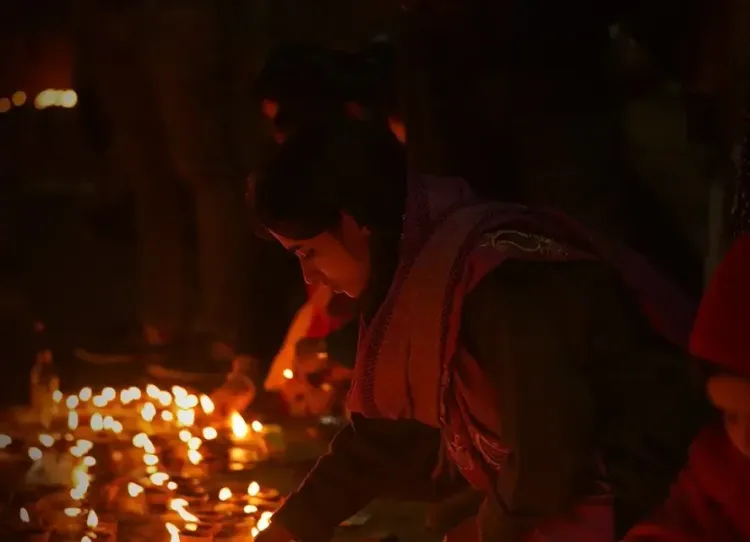
New Delhi, Dec 10 (NationPress) Deepavali or Diwali, one of India's most significant cultural and spiritual celebrations, has been officially recognized by UNESCO as part of the Intangible Cultural Heritage (ICH) List as of Wednesday.
UNESCO disclosed this news through its official X handle, stating: “BREAKING. New inscription on the #IntangibleHeritage List: Deepavali, #India. Congratulations!”
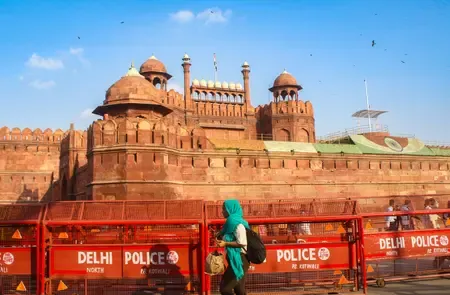
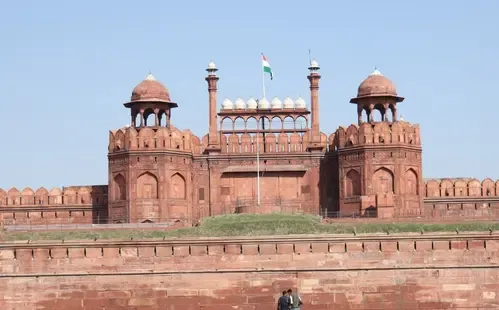
During a week-long session of UNESCO's Intergovernmental Committee for the Safeguarding of Intangible Cultural Heritage, which commenced at Delhi's Red Fort on Monday, 67 nominations from nearly 80 countries, including India's Deepavali festival, were evaluated.
This marks the 20th session held at this iconic Mughal-era site from December 8 to 13, making it the first time that India is hosting a meeting for the UNESCO committee.
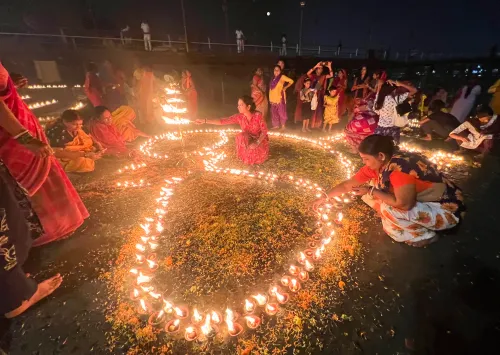
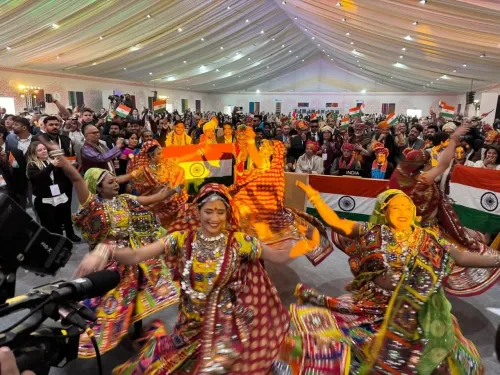
The Red Fort has been designated as the primary venue where esteemed dignitaries and international representatives will enjoy cultural performances, the ceremonial lighting of diyas, and curated exhibitions showcasing traditional arts linked to the festival.
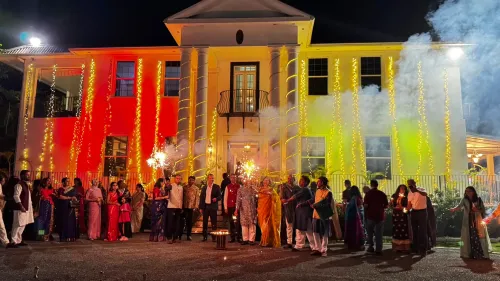
To embody the celebratory spirit, the Delhi government has been directed to illuminate key structures, install decorative lighting, distribute diyas throughout public areas, and organize cultural events across various districts. This initiative aims to ensure that the national capital radiates with the full glory of Diwali.
Additionally, Chhath Puja, which honors the Sun God, was also submitted for consideration to UNESCO’s Representative List of the Intangible Cultural Heritage of Humanity. The Union Ministry of Culture has reached out to the Sangeet Natak Akademi to assess a received proposal and take necessary actions.
India now boasts 15 elements inscribed on UNESCO’s Intangible Cultural Heritage list, including the Kumbh Mela, Kolkata’s Durga Puja, Gujarat’s Garba, Yoga, Vedic chanting, Ramlila, Ramman, and Kutiyattam. With the addition of Deepavali, India’s cultural reputation on the global stage receives a notable enhancement.
UNESCO’s Intangible Cultural Heritage List was created to promote enhanced safeguarding of vital cultural traditions worldwide and to foster greater awareness of their importance. The list includes living expressions and traditions, such as skills, knowledge, representations, and practices, along with the artifacts, objects, instruments, and cultural spaces recognized by communities or individuals as part of their heritage.
Point of View
This significant recognition of Deepavali by UNESCO reaffirms India's rich cultural heritage. The inclusion of such a beloved festival in the Intangible Cultural Heritage List not only honors our traditions but also emphasizes the importance of safeguarding cultural practices in an increasingly globalized world. It is a moment of pride for the nation, reflecting our commitment to preserving the past while celebrating our vibrant present.
NationPress
19 Sept 2026
Frequently Asked Questions
What is the significance of Deepavali's inclusion in UNESCO's list?
Deepavali's inclusion highlights the importance of preserving cultural traditions and brings global recognition to India's rich heritage.
How many elements does India currently have on UNESCO's Intangible Cultural Heritage List?
India now has 15 elements inscribed on UNESCO's Intangible Cultural Heritage List.
What does UNESCO's Intangible Cultural Heritage List aim to achieve?
The list aims to safeguard vital cultural practices and raise awareness about their significance globally.
What other festivals are included in India's UNESCO heritage?
Other festivals include Kumbh Mela, Durga Puja, Garba, Yoga, and Ramlila, among others.
Who announced the inclusion of Deepavali in UNESCO's list?
UNESCO announced the inclusion through its official X handle.