Delhi Police bust fake insurance fraud syndicate, 4 arrested, ₹2 lakh recovered
Synopsis
A well-coordinated fake insurance syndicate that preyed on senior citizens via WhatsApp impersonation calls has been cracked by Delhi's Cyber Police. Four accused with defined roles — caller, cash distributor, document forger, SIM card arranger — were arrested, and ₹2 lakh recovered. One victim alone lost ₹4 lakh.
Key Takeaways
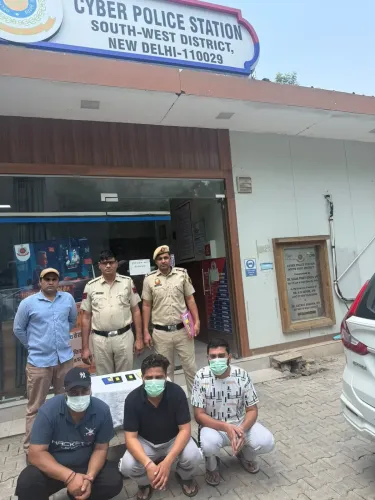
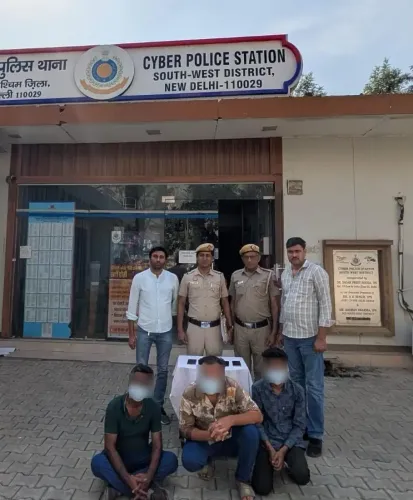
Delhi Police's Cyber Police Station, South-West District , busted a fake insurance fraud syndicate on 15 June .
Four accused arrested: Sunil Kumar Rawat, 38 ; Rahul, 28 ; Sonu, 37 ; and Shivam alias Monu, 26 .
A senior citizen was duped of ₹4 lakh through a WhatsApp-based fake insurance renewal call.
Police recovered ₹2 lakh cash, 10 mobile phones , forged insurance documents, and incriminating WhatsApp chats.
Case registered under the Bharatiya Nyaya Sanhita (BNS) via eFIR No.
235/26 dated 18 May .
Investigation is ongoing to identify other syndicate members and assess the full extent of the fraud.
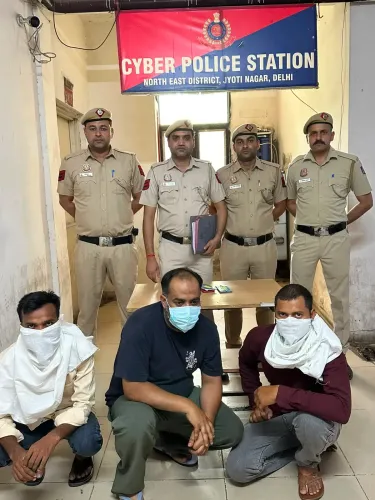
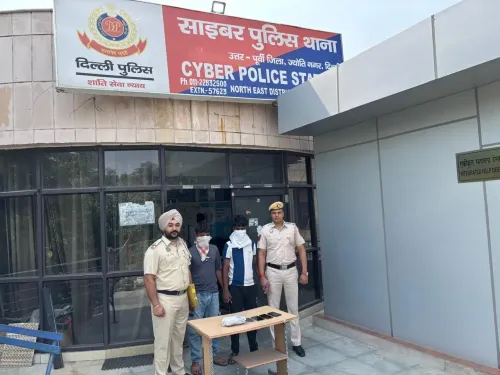
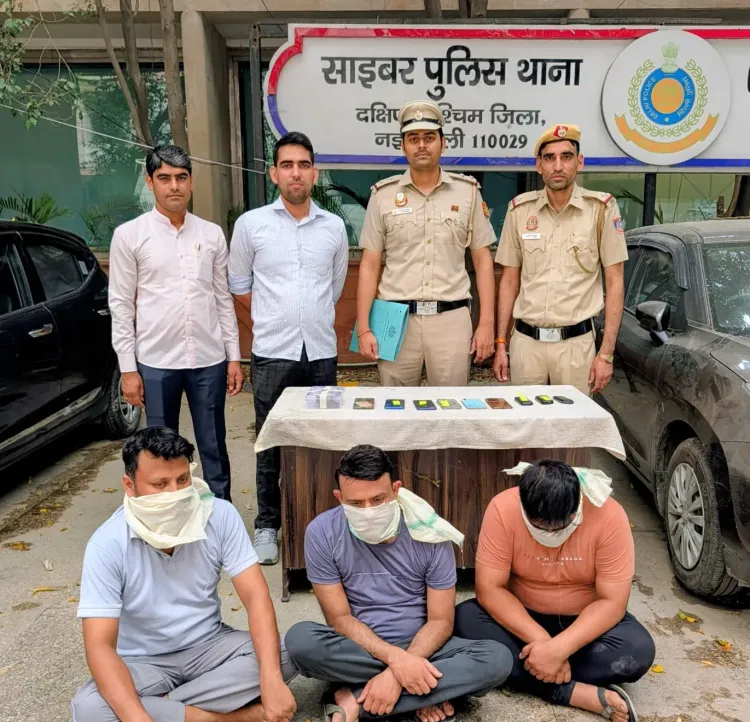
Delhi Police's Cyber Police Station, South-West District, on Monday, 15 June dismantled a fake insurance fraud syndicate that had been systematically targeting senior citizens under the guise of insurance policy renewals. Four accused were arrested and ₹2 lakh in cash, along with mobile phones, forged insurance documents, and digital evidence, was seized during the operation.
Who Was Arrested
The four accused have been identified as Sunil Kumar Rawat, 38, Rahul, 28, Sonu, 37, and Shivam alias Monu, 26. According to investigators, each member played a distinct role: Rawat acted as the primary telecaller and executor, Rahul arranged mule bank accounts and distributed cash, Sonu prepared forged insurance documents, and Monu sourced mule SIM cards used to place fraudulent calls.
How the Scam Operated
The syndicate contacted victims via WhatsApp calls, impersonating representatives of finance and insurance companies. Victims were falsely told their insurance policies had lapsed and that an urgent renewal premium was due. In one confirmed case, a senior citizen was duped of ₹4 lakh after transferring the amount to bank accounts provided by the fraudsters. To sustain the deception, the accused subsequently shared forged insurance policy documents over WhatsApp, lending a veneer of legitimacy to the transaction.
The cheated funds were routed through mule bank accounts — opened using fake or unsuspecting identities — and later withdrawn in cash and distributed among syndicate members according to their respective roles.
The Investigation
A case was registered at the Cyber Police Station, South-West District, vide eFIR No. 235/26 dated 18 May, under relevant sections of the Bharatiya Nyaya Sanhita (BNS). A dedicated team was constituted under Inspector Kulvir Singh, supervised by Inspector Pravesh Kaushik, SHO of the Cyber Police Station, and guided by ACP (Operations) Sanghamitra. The team also comprised SI Chetan Rana, ASI Alok, and Head Constables Manender, Vijaypal, Yogesh, and Boop Singh.
Investigators carried out extensive technical analysis of mobile numbers, digital footprints, financial transactions, and money trails. Through sustained surveillance and local intelligence, the team first apprehended Rawat from the Gandhi Nagar area of New Delhi. His interrogation led to the subsequent arrests of Rahul, Sonu, and Monu.
Evidence Recovered
During searches, police recovered ₹2 lakh in cash — suspected to be part of the cheated amount — three keypad mobile phones, seven Android mobile phones, incriminating WhatsApp chat records, and forged insurance policy documents.
What Comes Next
Police said the investigation is continuing to identify additional syndicate members and determine the full scale of the fraud. This case underscores a broader pattern of cyber-enabled financial crimes targeting elderly citizens in the national capital, where WhatsApp-based impersonation scams have been on the rise.
Point of View
Mule infrastructure, and forged documents — that is increasingly difficult to detect and prosecute. The use of WhatsApp calls via mule SIMs makes attribution hard, and the targeting of senior citizens is deliberate: they are less likely to verify through official channels. What the case also exposes is a systemic gap: mule SIM cards and bank accounts remain too easy to procure, pointing to inadequate KYC enforcement at the telecom and banking ends of the chain. Arrests are a start, but dismantling the supply chain of mule accounts is where the real deterrence lies.
NationPress
14 Sept 2026
Frequently Asked Questions
What was the fake insurance fraud syndicate busted in Delhi?
Delhi Police's Cyber Police Station, South-West District, dismantled a syndicate that impersonated insurance company officials over WhatsApp to convince victims their policies had lapsed and collect fake renewal premiums. Four members were arrested on 15 June, and ₹2 lakh in cash along with forged documents and mobile phones were seized.
How did the insurance renewal scam work?
Accused called victims on WhatsApp using mule SIM cards, posing as insurance representatives. They falsely claimed policies had expired and demanded urgent renewal payments. After victims transferred money to mule bank accounts, the fraudsters sent forged insurance documents to make the transaction appear genuine.
How much money was lost and recovered?
At least one senior citizen lost ₹4 lakh in the scam. Police recovered ₹2 lakh in cash during the operation, suspected to be part of the cheated amount, along with 10 mobile phones and forged insurance documents.
Who were the four people arrested in the Delhi insurance fraud case?
The four accused are Sunil Kumar Rawat (38), Rahul (28), Sonu (37), and Shivam alias Monu (26). Rawat was the telecaller, Rahul managed mule bank accounts and cash distribution, Sonu forged insurance documents, and Monu arranged the mule SIM cards used to place fraudulent calls.
What legal action has been taken against the accused?
A case was registered at the Cyber Police Station, South-West District, under relevant sections of the Bharatiya Nyaya Sanhita (BNS), via eFIR No. 235/26 dated 18 May. Police said the investigation is continuing to identify additional syndicate members and determine the full scale of the fraud.