Delhi Police bust digital arrest gang; retired Colonel loses ₹15.50 lakh
Synopsis
A retired Indian Army Colonel and his wife were held under a 'digital arrest' for days, bombarded with forged ED warrants and fake RBI orders, until ₹15.50 lakh was transferred to fraudsters. Delhi Police's trail led from a Ludhiana bank account through a Telegram-linked chain all the way to operators in Cambodia and Dubai — exposing a commission-based mule-account pipeline that has already drawn 17 complaints across India.
Key Takeaways
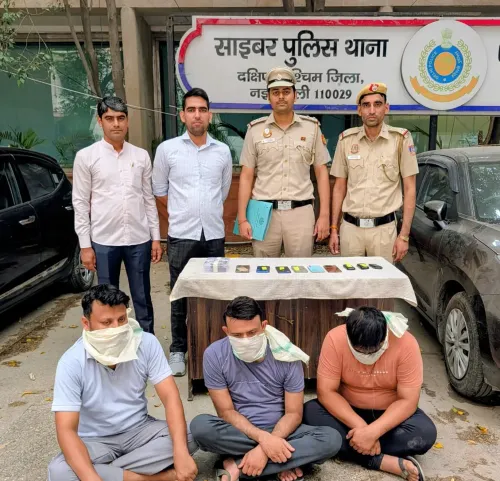
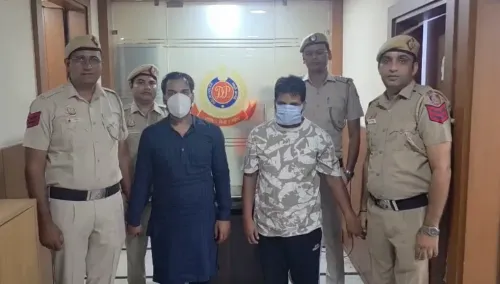
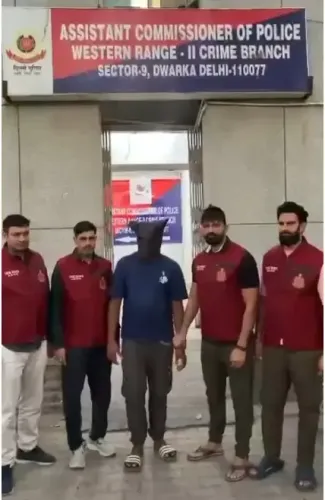
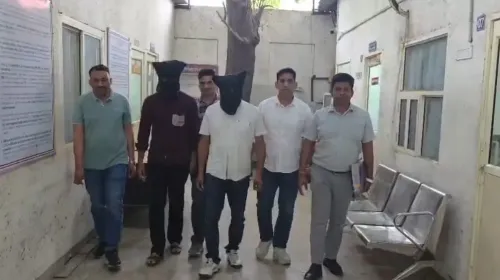
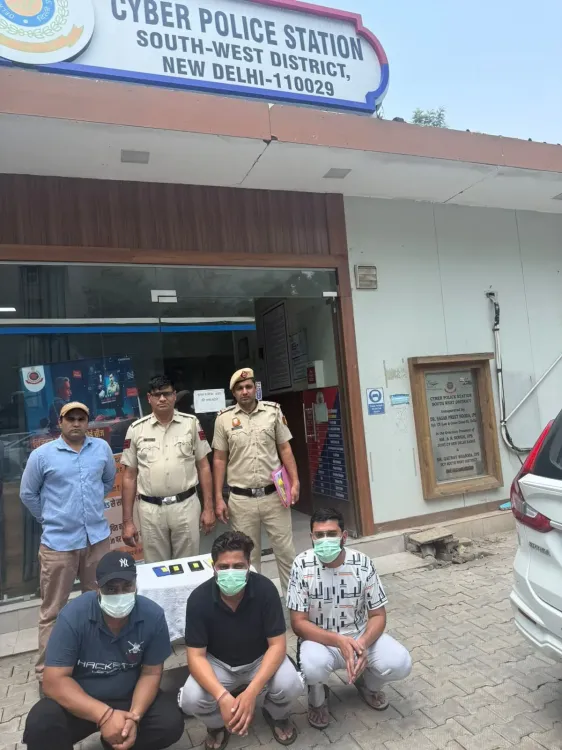
Delhi Police's Cyber Police Station, South-West District , arrested four accused from Punjab and Rajasthan on 21 August 2026 .
A retired Indian Army Colonel from Munirka Enclave, New Delhi was defrauded of ₹15.50 lakh via a digital arrest scam.
Fraudsters used forged Enforcement Directorate warrants, fake Bombay High Court orders, and counterfeit RBI communications to coerce the victim.
The beneficiary account was linked to 17 NCRP complaints from multiple states involving transactions worth several crores of rupees .
The network allegedly supplied mule accounts to cyber-fraud operators based in Cambodia and the UAE, including Dubai .
Four mobile phones and six SIM cards were recovered; further investigation is underway.
Delhi Police's Cyber Police Station, South-West District, has dismantled an interstate cyber-fraud network running sophisticated digital arrest scams, arresting four accused from Punjab and Rajasthan on 21 August 2026. The action followed a complaint from a retired Indian Army Colonel residing in Munirka Enclave, New Delhi, who was defrauded of ₹15.50 lakh by fraudsters impersonating police and government officials.
How the Scam Unfolded
The fraud began on 15 April when the retired Colonel received a call from someone falsely claiming his telephone connection would be disconnected on orders of the Maharashtra Police. He was then redirected to a second caller posing as a police official, who alleged that the victim's personal details had been misused to open an illegal bank account in Mumbai — one purportedly linked to money laundering, investment fraud, and terrorist financing.
To lend credibility to the scheme, the fraudsters dispatched a series of forged documents: a fake Enforcement Directorate arrest warrant, fabricated court papers, a sham anticipatory bail document, and counterfeit communications attributed to the Bombay High Court and the Reserve Bank of India (RBI). The Colonel and his wife were then placed under a sustained digital arrest — kept under psychological pressure with their communications monitored — before being induced to transfer ₹15.50 lakh on the basis of purported RBI instructions.
The Money Trail and Arrests
Following the registration of E-FIR No. 165/26 on 19 April under Sections 308, 318(4), 319 and 340 of the Bharatiya Nyaya Sanhita (BNS), a dedicated investigation team led by Inspector Pravesh Kaushik, SHO of the Cyber Police Station, and supervised by ACP/OPS Sandeep Ghai, traced the cheated amount to a current bank account in Ludhiana held by accused Sarbjit, 38.
Sarbjit disclosed he had sold the account to Suraj, 30, also of Ludhiana, who had been introduced to Sarbjit by Sandeep, 32, a Ludhiana-based bank employee. Suraj allegedly transferred the account to Naresh, alias Lucky, a resident of Sikar, Rajasthan, contacted through Telegram. All three — Sarbjit, Suraj, and Sandeep — reportedly travelled to Jaipur to hand over the account kit to Naresh, who then supplied it to the fraud syndicate. Police subsequently apprehended Naresh in a raid in Rajasthan.
Links to Cambodia and UAE
During interrogation, Naresh allegedly disclosed that he procured current bank accounts from Suraj via Telegram and supplied them to fraud operators based in Cambodia and the UAE, including Dubai. Police said the investigation revealed a structured, commission-based model: individuals willing to part with their current accounts were identified, induced with a commission, and their accounts passed through a chain of domestic intermediaries before reaching overseas-linked syndicates.
The beneficiary account was found linked to 17 complaints registered on the National Cyber Crime Reporting Portal (NCRP) from multiple states and union territories, involving fraudulent transactions worth several crores of rupees.
What Was Recovered
Police recovered four mobile phones and six SIM cards used in the commission of cyber offences from the four accused. The investigation team comprised Sub Inspector Sombir, Head Constable Jitender, HC Puneet, HC Mayurpal, and HC Sandeep, who employed money trail analysis, digital footprint examination, and technical surveillance.
What Happens Next
Further investigation is underway, with police indicating that the four arrested individuals were part of a wider, systematic network rather than isolated actors. The overseas links to Cambodia and Dubai suggest the probe may extend beyond Indian jurisdiction. Authorities are expected to approach relevant agencies for international cooperation as the case develops.
Point of View
Routed through Telegram and terminating in Cambodia and Dubai, mirrors patterns seen in dozens of similar busts across India this year, yet prosecutions rarely reach the overseas operators. The use of forged ED warrants and fake RBI orders against a decorated military officer underlines how sophisticated the psychological engineering has become. Until India builds a real-time inter-bank freeze mechanism for flagged accounts — rather than relying on post-complaint FIRs — the money will keep moving faster than the investigation.
NationPress
5 Oct 2026
Frequently Asked Questions
What is a digital arrest scam?
A digital arrest scam is a form of cyber fraud in which criminals impersonating police or government officials contact victims and falsely claim they are under investigation. The victim is kept under continuous surveillance via phone or video call — a so-called 'digital arrest' — and psychologically coerced into transferring money to avoid fabricated legal consequences.
How much did the retired Colonel lose and how was the money taken?
The retired Indian Army Colonel lost ₹15.50 lakh. He was induced to transfer the amount after fraudsters sent him forged Enforcement Directorate warrants, fake court papers, and counterfeit RBI instructions, convincing him that the transfer was necessary to resolve a fabricated money-laundering case against him.
Who were the four people arrested by Delhi Police?
The four arrested accused are Sarbjit, 38, of Ludhiana (account holder); Suraj, 30, of Ludhiana (intermediary); Sandeep, 32, of Ludhiana (bank employee who facilitated account procurement); and Naresh, alias Lucky, of Sikar, Rajasthan (who supplied accounts to overseas fraud operators via Telegram).
How is this case linked to Cambodia and Dubai?
According to police, Naresh allegedly disclosed during interrogation that he procured current bank accounts domestically and supplied them to cyber-fraud operators based in Cambodia and the UAE, including Dubai. These overseas operators used the mule accounts to receive and route proceeds from cybercrimes committed across India.
How widespread is the fraud network behind this case?
The beneficiary bank account used in this case was linked to 17 complaints on the National Cyber Crime Reporting Portal from multiple states and union territories, involving fraudulent transactions worth several crores of rupees. Police say the accused were part of a wider, systematic network rather than isolated actors.