CM Fadnavis Backs ECI's Special Intensive Revision of Voter Rolls
Synopsis
Maharashtra CM Devendra Fadnavis backed the Election Commission of India's Special Intensive Revision of electoral rolls on 5 October 2026, arguing that two decades of migration and urbanisation made the exercise a necessary democratic reset for the state.
Key Takeaways
CM Devendra Fadnavis publicly defended the Election Commission of India's Special Intensive Revision (SIR) of electoral rolls on 5 October 2026 .
Fadnavis cited 20 years of rapid urbanisation, migration, deaths, and address changes as the reason an intensive revision is now necessary.
The ECI has conducted intensive roll revisions at multiple points across decades, making SIR a longstanding — not new — electoral process.
The revision aims to ensure electoral rolls reflect currently eligible voters , removing outdated entries and adding new ones.
Maharashtra's dense urban constituencies, including Mumbai and Pune , face particular challenges from population mobility that incremental updates cannot fully capture.
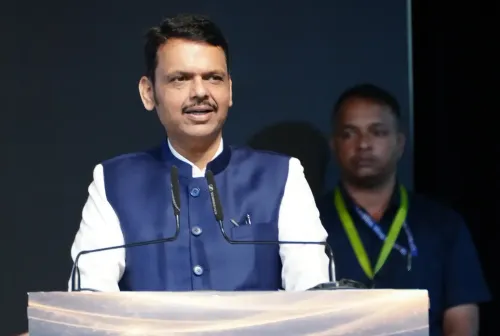
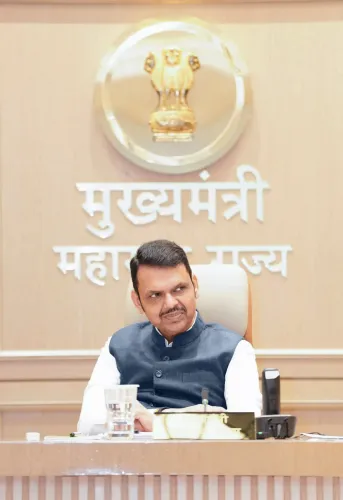
Maharashtra's electoral rolls are getting a hard reset — and Chief Minister Devendra Fadnavis wants every resident to understand why that matters. On Monday, 5 October 2026, Fadnavis took to X to defend the Election Commission of India's Special Intensive Revision (SIR) of electoral rolls, calling it a process 'rooted in India's electoral history' and long overdue given two decades of demographic churn.
Two Decades of Change That Made SIR Inevitable
The core argument Fadnavis makes is a demographic one. Over the past 20 years, Maharashtra — like much of urban India — has seen relentless migration, rapid city expansion, and a steady churn of new voters, deaths, and address changes. Electoral rolls updated incrementally over that period carry the accumulated weight of every move, every missed deletion, every unregistered first-time voter. An intensive revision, he argues, is not a political intervention but a corrective one: bringing the list back into alignment with who actually lives where, and who is actually eligible to vote today.
The Election Commission of India has run such intensive revisions at multiple points across decades. The SIR framework is designed precisely for moments when incremental updates can no longer keep pace with ground-level change. Fadnavis's post situates the current exercise within that longer institutional arc — framing it as routine electoral hygiene rather than a sudden procedural shift.
Why the Timing Is Drawing Attention
Electoral roll revisions rarely trend on social media. That this one has — enough for a sitting Chief Minister to weigh in with a point-by-point contextualisation — signals that the SIR process has attracted scrutiny in Maharashtra. Critics of intensive revisions have in the past raised concerns about eligible voters being inadvertently dropped during large-scale exercises, particularly migrant workers, residents of newly developed urban areas, and communities with lower documentation rates.
Fadnavis does not address those concerns directly in his post. What he does is establish the legitimacy of the process itself — a necessary first move before any state government can ask citizens to cooperate with the exercise. The implicit ask is clear: engage with SIR, verify your name, update your details.
What the SIR Process Means for Maharashtra Voters
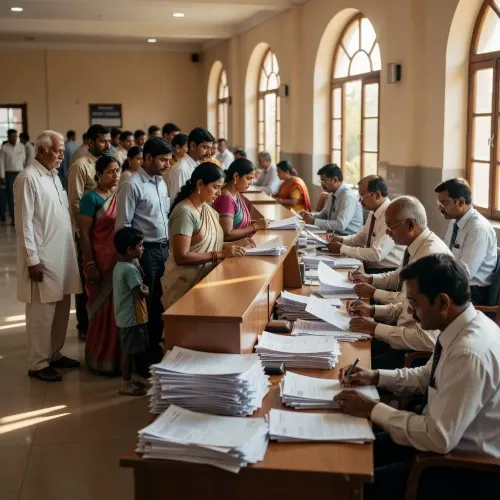
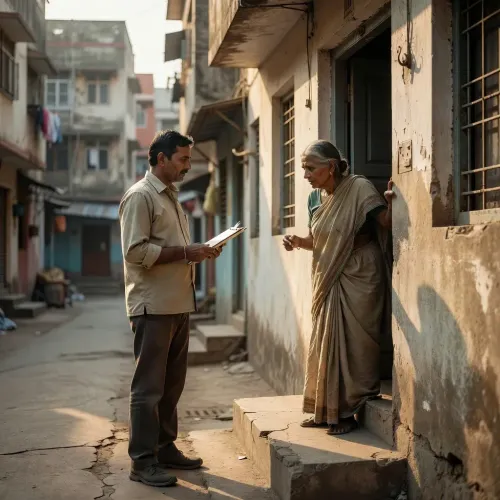
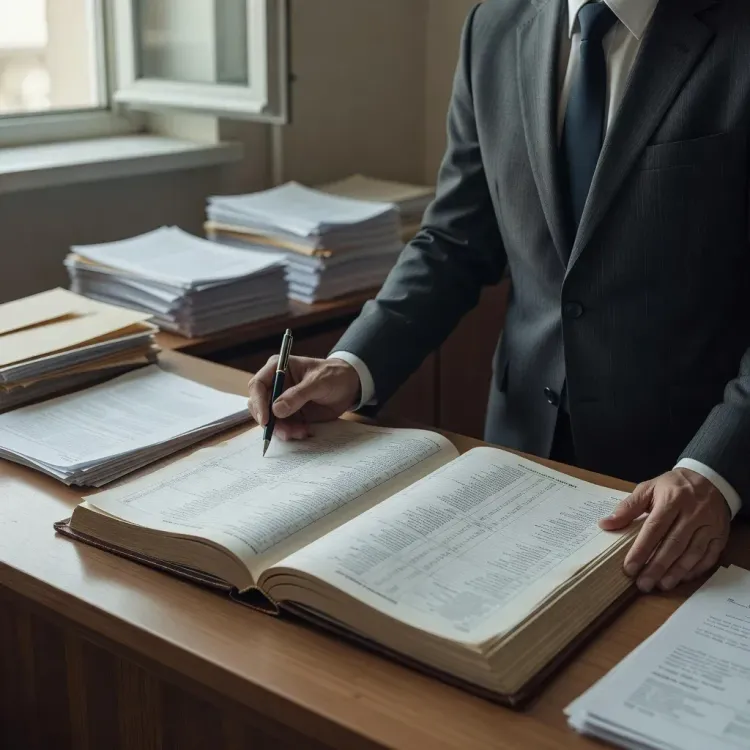
An intensive revision typically involves booth-level officers visiting households, verifying entries, and collecting claims and objections from citizens. Voters whose names are missing can apply for inclusion; names of deceased or relocated residents can be flagged for removal. The result, when the process works as intended, is a cleaner, more accurate roll that strengthens the integrity of future elections.
For Maharashtra, a state with some of India's most densely populated and fastest-growing urban constituencies, the stakes are high. A roll that accurately captures Mumbai's shifting residential patterns, Pune's expanding IT-corridor suburbs, and the state's vast rural districts is the foundation on which every subsequent election rests.
The SIR is not just a bureaucratic exercise — it is the infrastructure of democratic participation. Fadnavis is betting that reminding voters of that fact is the best case he can make for it.
Point of View
Institutional, demographic — is a classic incumbent's move: pre-empt criticism by making the unusual look routine. The deeper political logic is that a cleaner voter roll, in theory, benefits whichever party has stronger ground-level verification infrastructure — and the BJP's booth management machinery in Maharashtra is formidable. Whether SIR ultimately strengthens democratic participation or becomes a flashpoint over exclusions will depend entirely on how rigorously the ECI handles appeals and objections in the months ahead.
NationPress
6 Oct 2026
Frequently Asked Questions
What is SIR in the context of Indian elections?
SIR stands for Special Intensive Revision, a process by which the Election Commission of India conducts a comprehensive review and update of electoral rolls — verifying existing entries, adding newly eligible voters, and removing outdated ones such as deceased or relocated residents.
Why is the Election Commission revising Maharashtra's electoral rolls in 2026?
The Election Commission's intensive revision follows roughly two decades of significant demographic change in Maharashtra, including rapid urbanisation, migration, new voter eligibility, and deaths — changes that incremental annual updates have not fully captured.
Is SIR a new process introduced for Maharashtra?
No. CM Fadnavis emphasised that intensive revisions of electoral rolls have been undertaken by the Election Commission at various points over decades and are a longstanding part of India's electoral process, not a new or unprecedented exercise.
What should Maharashtra voters do during the SIR process?
Voters should verify that their names appear correctly on the electoral roll, apply for inclusion if their names are missing, and flag inaccurate or outdated entries. Booth-level officers typically visit households during an intensive revision to assist with this process.
Why is Devendra Fadnavis commenting on an Election Commission exercise?
As Chief Minister of Maharashtra, Fadnavis used his platform to explain and legitimise the SIR process amid apparent public scrutiny, urging residents to understand its historical basis and to cooperate with the revision.