CM Fadnavis Backs SIR Drive to Clean Maharashtra Voter Rolls

Synopsis
Maharashtra CM Devendra Fadnavis publicly backed the Special Intensive Revision process on October 4, 2026, urging citizens to verify and correct their voter-roll entries to remove deceased, duplicate, and migrant records and reinforce the 'one citizen, one vote' principle.
Key Takeaways
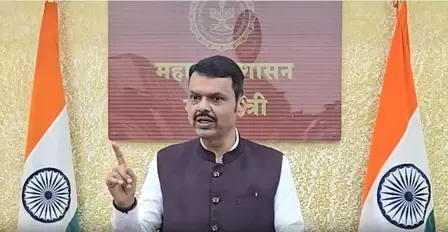
CM Devendra Fadnavis endorsed the Special Intensive Revision (SIR) drive on October 4, 2026 in a detailed Marathi post on X.
SIR targets three categories of faulty entries: records of deceased voters , duplicate registrations , and entries for absent or migrated voters .
The stated principle is 'one citizen, one vote' — achievable only with an accurate, current electoral roll.
Citizens are urged to verify their own voter-list entries and submit corrections while the SIR window remains open.
Maharashtra has 288 assembly constituencies serving a population of approximately 130 million , making roll accuracy especially high-stakes.
The Election Commission of India mandates periodic Special Intensive Revisions; state-level political endorsement boosts public participation rates.
An accurate voter list is the bedrock of democracy — and Maharashtra Chief Minister Devendra Fadnavis is making sure his state's version of that list is as clean as it can be. On Sunday, October 4, 2026, Fadnavis took to X to champion the ongoing Special Intensive Revision (SIR) process, calling on Maharashtra citizens to participate actively in strengthening the electoral system.
What the SIR Process Is Actually Fixing
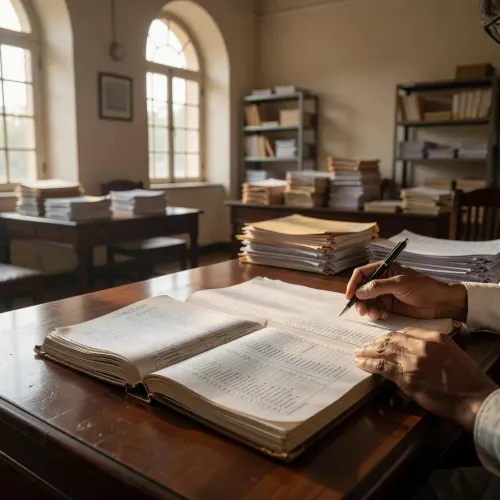
In a detailed Marathi-language post, Fadnavis laid out the core logic: 'One citizen, one vote' (एक नागरिक, एक मत) is only meaningful if the voter list behind it is accurate and current. The SIR process, he explained, targets three categories of faulty entries that silently corrode electoral integrity — records of deceased voters, duplicate registrations, and entries for absent or migrated voters who no longer reside at their listed address.
The goal is straightforward but consequential: eligible names stay on the rolls, ineligible entries are removed, and every constituency gets a voter count that reflects ground reality. Fadnavis framed SIR not merely as a bureaucratic exercise but as an opportunity — urging voters to check their own details and submit corrections while the window is open.
Why Voter-Roll Hygiene Matters This Much in Maharashtra
Maharashtra is India's most economically significant state and one of its most politically contested — with 288 assembly seats spread across a population of roughly 130 million people. Bloated or inaccurate electoral rolls have historically been a flashpoint in the state, with allegations of ghost voters and duplicate entries surfacing around every major election cycle. A credible SIR sweep addresses those concerns at their root rather than arguing about them after the fact.
The Election Commission of India periodically mandates such revision exercises, but their real impact depends heavily on public cooperation. By lending the CM's bully pulpit to the drive, Fadnavis is signalling that the state government sees clean electoral data as a governance priority, not just a paperwork requirement.
The Ask: Show Up Before the Window Closes
The clearest action item in the post is directed at ordinary voters: log in, verify your entry, and file any corrections now. SIR is, in Fadnavis's words, 'an important opportunity' for citizens to participate in making democracy more capable (लोकशाही अधिक सक्षम). That framing — democracy as something citizens actively maintain, not passively receive — gives what could have been a routine civic notice the weight of a political argument for electoral accountability.
Maharashtra's next major electoral tests are on the horizon, and how clean the rolls are when polling day arrives will shape everything from voter-turnout figures to the credibility of results. The SIR window is open. The question is how many of Maharashtra's voters choose to use it.
Point of View
One vote' principle, he sidesteps partisan optics and positions voter-roll hygiene as a civic duty. The deeper political logic is that accurate rolls tend to reduce the scope for post-election disputes, which in a state as fiercely competitive as Maharashtra can be as decisive as the vote count itself. It also pressures opposition parties to either join the SIR push — validating it — or risk looking like they benefit from inflated rolls.
NationPress
4 Oct 2026
Frequently Asked Questions
What is SIR in Maharashtra elections?
SIR stands for Special Intensive Revision, an Election Commission of India exercise to review and update voter rolls by removing entries for deceased, duplicate, or migrated voters and ensuring all eligible residents are correctly registered.
Why did CM Devendra Fadnavis talk about SIR?
Fadnavis posted on X on October 4, 2026 to urge Maharashtra citizens to participate actively in the SIR process, framing accurate voter lists as essential to the 'one citizen, one vote' democratic principle.
How can Maharashtra voters participate in the SIR process?
Voters can verify their details on the electoral roll and submit corrections or updates through the Election Commission's official channels — online portals, voter helplines, or Booth Level Officers — while the SIR window is open.
What types of entries does the SIR process remove from the voter list?
SIR targets three main categories: entries for deceased voters, duplicate registrations where the same person is listed more than once, and records for voters who have migrated away from their listed address.
Why is an accurate voter list important for Maharashtra?
Maharashtra has 288 assembly constituencies and around 130 million residents, making it one of India's most contested electoral states. Inaccurate rolls can distort turnout figures and fuel post-election disputes, so clean data is critical to the credibility of results.