CM Fadnavis Backs SIR for Clean Voter Rolls in Maharashtra
Synopsis
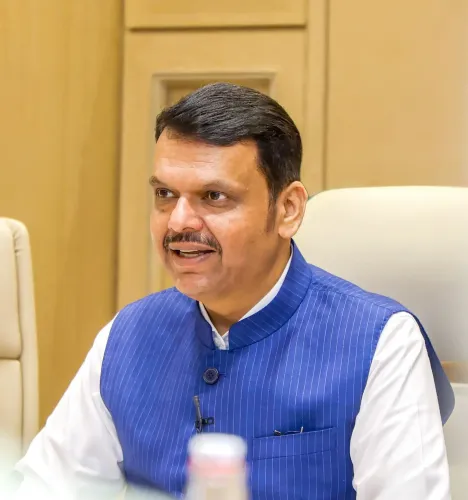
Maharashtra Chief Minister Devendra Fadnavis publicly defended the Special Summary Revision (SIR) of voter rolls on October 15, 2026, challenging critics to explain their opposition to a process he says ensures clean electoral lists and protects every eligible citizen's right to vote.
Key Takeaways
Maharashtra CM Devendra Fadnavis publicly backed the Special Summary Revision (SIR) of electoral rolls on October 15, 2026 .
SIR is conducted under the Representation of the People Act, 1950 by the Election Commission of India to remove duplicates and add eligible voters.
Fadnavis framed SIR as essential for 'clean voter lists, transparent elections and protection of every eligible citizen's voting rights.' Opposition parties across India have historically raised concerns that voter-list revisions risk excluding marginalised communities.
Maharashtra, with major urban and rural constituencies, has been subject to intensive voter-roll cleansing drives ahead of past assembly elections.
Key questions remain around implementation: appeal processes, deletion notices, and access for vulnerable voters.
A pointed rhetorical challenge from Maharashtra Chief Minister Devendra Fadnavis landed on October 15, 2026 — aimed squarely at critics of a voter-list revision exercise that has quietly become a flashpoint in the state's political arena. 'If you support electoral transparency, why oppose SIR?' he asked, defending the Special Summary Revision process as the shield every eligible voter deserves.
What SIR Is — and Why It's Contested
The Special Summary Revision (SIR) of electoral rolls is a periodic exercise conducted under the Representation of the People Act, 1950, overseen by the Election Commission of India. Its stated purpose: scrub duplicate entries, remove ineligible names, and add genuine voters who have been left off the rolls. In Maharashtra, such exercises have historically formed a core part of pre-poll preparations by the state administration.
Fadnavis frames SIR in straightforward terms — 'clean voter lists, transparent elections and protection of every eligible citizen's voting rights.' The logic is hard to argue with on its face. The politics, however, are rarely that simple.
The Opposition's Standing Objection
Nationwide, voter-list revisions have routinely drawn fire from opposition parties, who allege that such exercises — however well-intentioned on paper — carry a real risk of excluding marginalised communities: the poor, migrants, and first-time voters who lack consistent documentation. The pattern is familiar: the ruling party frames the exercise as electoral hygiene; challengers call it targeted erasure.
By posing his question publicly, Fadnavis is doing two things at once — defending the ECI's constitutional mandate and daring critics to explain their opposition without looking like they are protecting a bloated, inaccurate roll. It is a sharp political framing, built around a genuine procedural question.
Maharashtra's Electoral Stakes
Maharashtra, with its sprawling urban centres in Mumbai, Pune, and Nagpur alongside vast rural constituencies, has one of the country's most complex voter rolls to maintain. Duplicates and ghost entries are a documented feature of large states, and the ECI has in past cycles flagged Maharashtra for intensive cleansing drives ahead of assembly elections. The credibility of whoever sits in Varsha, the Chief Minister's official residence, depends partly on the perceived fairness of the list that puts them there.
Fadnavis's public backing of SIR signals that the state government intends to own the electoral-integrity narrative — not cede it to critics.
The real test is in the implementation details: how appeals are handled, how deletion notices reach voters, and whether the ECI's rollout gives marginalised communities adequate time and access to respond. That is the question no tweet fully answers — but the one that will determine whether SIR is remembered as a reform or a controversy.
Point of View
Turning a procedural exercise into a political litmus test for the opposition. By asking critics 'why oppose SIR?', he forces them into an uncomfortable rhetorical corner — any objection can be painted as defence of a corrupt roll. The broader pattern is consistent with BJP's national strategy of aligning with Election Commission processes to project governance credibility. The genuine policy tension, however, lies in implementation safeguards: historically, roll-revision exercises in large Indian states have disproportionately affected migrant and marginalised voters, a vulnerability the state administration will need to address to make the transparency argument stick.
NationPress
16 Oct 2026
Frequently Asked Questions
What is the Special Summary Revision (SIR) of voter rolls?
The Special Summary Revision (SIR) is a periodic exercise conducted by the Election Commission of India under the Representation of the People Act, 1950, to update electoral rolls — removing duplicate or ineligible entries and enrolling eligible voters who are missing from the list.
Why is Devendra Fadnavis supporting SIR?
Maharashtra Chief Minister Devendra Fadnavis says SIR ensures clean voter lists, transparent elections, and protects every eligible citizen's voting rights. He has publicly challenged those who oppose it to explain their position.
Why do opposition parties oppose voter roll revision exercises?
Opposition parties in India have historically argued that voter-list revision drives, while aimed at removing ineligible entries, risk wrongly deleting the names of marginalised communities — including migrants and low-income voters — who may lack consistent documentation to respond to deletion notices.
When did CM Fadnavis post about SIR?
Devendra Fadnavis posted his defence of the Special Summary Revision on October 15, 2026 , on the social media platform X.
Does the Election Commission of India conduct SIR in Maharashtra?
Yes. The Election Commission of India has conducted Special Summary Revisions of electoral rolls in Maharashtra ahead of past assembly polls, as part of its nationwide mandate under the Representation of the People Act, 1950.