Delhi Police imposes Section 163 curbs at Connaught Place amid AAP protest call
Synopsis
Delhi Police have slapped Section 163 BNSS prohibitory orders around Connaught Place after AAP and the Cockroach Janta Party called supporters to gather at Central Park on 16 October. The NDMC simultaneously shut the park for two days, traders flagged festive-season disruption, and the Delhi High Court took note — making this a convergence of political protest, commercial anxiety, and law-enforcement authority in one of Delhi's most prominent public spaces.
Key Takeaways
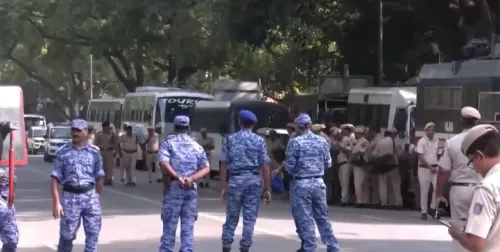
Delhi Police imposed Section 163 BNSS prohibitory orders in and around Connaught Place on 16 October .
AAP and the Cockroach Janta Party (CJP) had called supporters to assemble at Central Park at 5 pm with the national flag.
Central Park will remain closed on 16 and 17 October on administrative grounds, as confirmed by the NDMC .
Police may facilitate a designated alternate venue for a limited group to carry the Tricolour and sing the national anthem under prescribed guidelines.
Trade associations near Connaught Place sought protection during the festive season; the Delhi High Court has taken note of concerns over commercial disruptions.
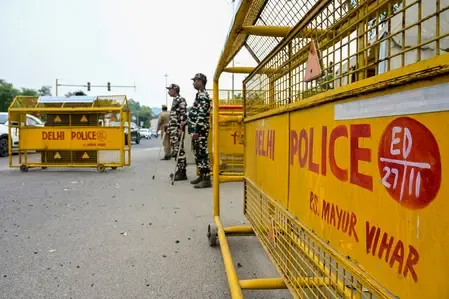
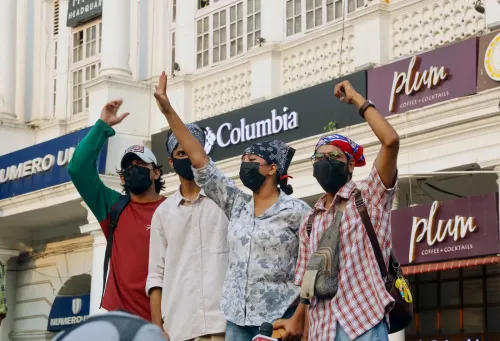
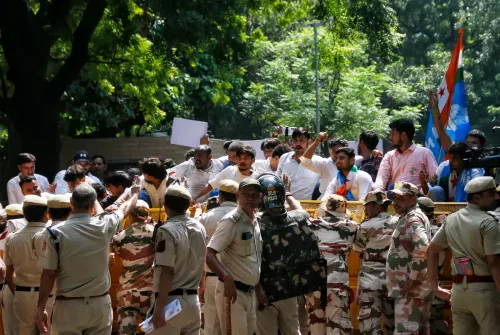
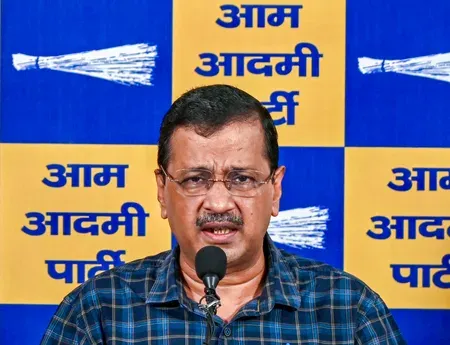
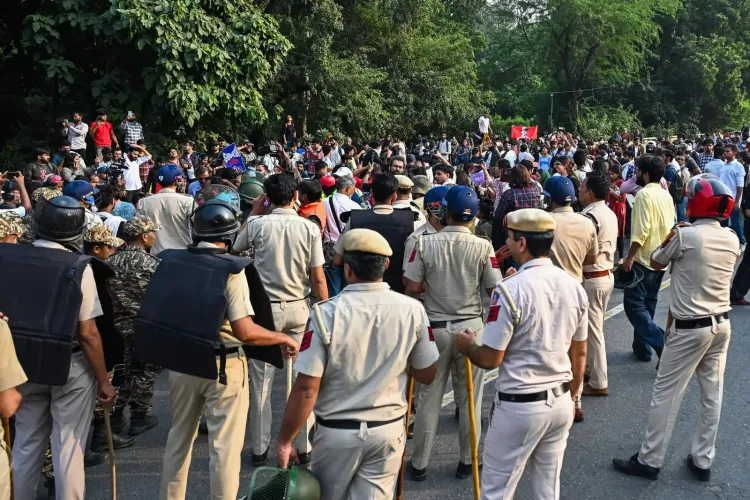
Delhi Police on Thursday, 16 October invoked prohibitory orders under Section 163 of the Bharatiya Nagarik Suraksha Sanhita (BNSS) in and around Connaught Place, cautioning the public against joining a planned assembly at Central Park at 5 pm. The protest — called by the Cockroach Janta Party (CJP) and the Aam Aadmi Party (AAP) — involved an appeal to workers, supporters, and the general public to gather at the park while carrying the national flag (Tiranga).
What the Prohibitory Orders Cover
Deputy Commissioner of Police (DCP) Neha Yadav issued a video appeal warning that appropriate legal action will be taken against anyone found violating the orders. The restrictions aim to maintain peace, preserve life, and protect both public and private property in the area. Police made clear that participation in any gathering contravening the current orders could result in prosecution.
Separately, the New Delhi Municipal Council (NDMC) announced that Central Park will remain closed on 16 and 17 October citing administrative reasons, and has requested security arrangements to prevent any unauthorised entry into the premises.
A Narrow Window for Peaceful Expression
Despite the blanket restrictions, Delhi Police indicated it may consider facilitating a designated alternate location for a select group of individuals to carry the Tricolour and sing the national anthem — provided all prescribed guidelines are followed and full respect, dignity, and decorum are maintained towards the national flag and anthem. This signals a limited provision for symbolic expression within controlled parameters, rather than a complete shutdown of all activity.
Traders and Commercial Interests Seek Protection
Trade and market associations in and around Connaught Place have approached the police, seeking protection for shops and establishments against what they described as disruptive elements and unlawful assemblies. Notably, the protest coincides with the festive season, and traders argue that such mobilisations are adversely affecting their businesses during a commercially critical period.
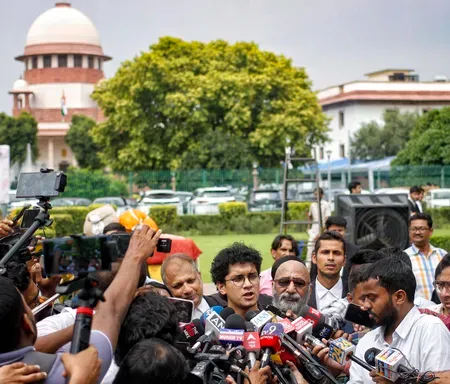
The Delhi High Court has also taken note of concerns about potential commercial disruptions in the area. Delhi Police has assured the court that suitable measures will be taken to address these concerns.
Context and What to Watch
The deployment of Section 163 BNSS — the successor provision to Section 144 of the Code of Criminal Procedure — underscores the administrative sensitivity around large-scale public gatherings in a high-footfall commercial zone. This comes amid heightened political activity in Delhi, with the AAP and allied parties increasingly using street mobilisations as a political tool. All eyes will be on whether the designated alternate venue offer is accepted, and whether the police can hold the line without further escalation through the evening.
Point of View
But it also tacitly acknowledges the legitimacy of symbolic protest. The Delhi High Court's involvement adds a judicial dimension that could constrain the police's room to manoeuvre if the evening turns confrontational.
NationPress
16 Oct 2026
Frequently Asked Questions
Why has Delhi Police imposed prohibitory orders near Connaught Place on 16 October?
Delhi Police imposed Section 163 BNSS prohibitory orders around Connaught Place in response to a call by AAP and the Cockroach Janta Party for supporters to gather at Central Park at 5 pm on 16 October while carrying the national flag. The orders aim to maintain peace, protect property, and prevent disruption to commercial activity during the festive season.
Why is Central Park in Delhi closed on 16 and 17 October?
The New Delhi Municipal Council (NDMC) announced the closure of Central Park for administrative reasons on 16 and 17 October. The NDMC also requested security arrangements to prevent unauthorised entry during this period.
What legal provision is being used and what does it mean?
Section 163 of the Bharatiya Nagarik Suraksha Sanhita (BNSS) is the successor to the widely known Section 144 of the Code of Criminal Procedure. It empowers a magistrate to issue orders prohibiting assembly of five or more persons in a specified area to prevent a threat to peace or public order.
Will any protest be allowed at all?
Delhi Police indicated it may facilitate a designated alternate location for a limited group to carry the Tricolour and sing the national anthem, provided all prescribed guidelines and decorum are followed. This falls short of the mass gathering originally called for by AAP and CJP.
What role has the Delhi High Court played?
The Delhi High Court has taken note of concerns about potential disruptions to commercial activities in and around Connaught Place. Delhi Police has assured the court that suitable measures will be put in place to protect traders and establishments in the area.