Section 163 BNSS in force across New Delhi, no protest allowed on 3 October
Synopsis
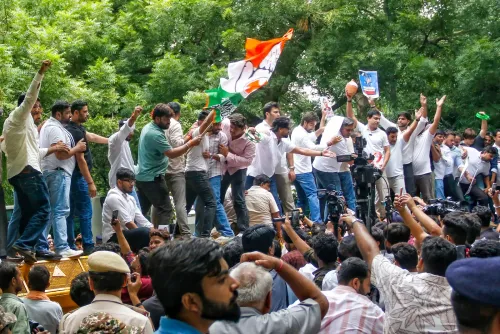
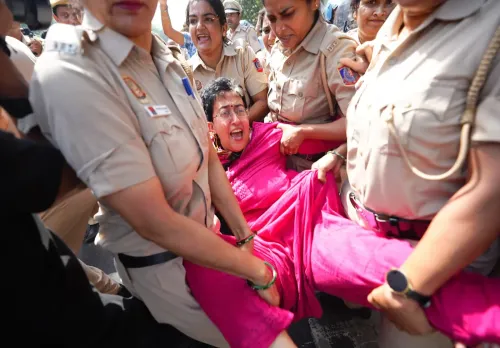
Delhi Police have clamped down hard on protests targeting Chief Election Commissioner Gyanesh Kumar, invoking Section 163 of BNSS across New Delhi, filing three FIRs, and detaining over 1,000 protesters in a single day. The crackdown underscores how allegations of irregularities in electoral roll revision have triggered one of the sharpest street-versus-state standoffs in the capital in recent memory.
Key Takeaways
Delhi Police confirmed Section 163 of BNSS, 2023 is in force across New Delhi district on 3 October 2026 .
No permission has been granted for any protest, and no prior intimation was received by police regarding one.
At least three FIRs have been registered — two at Parliament Street Police Station and one at Connaught Place Police Station — under Section 223 of the BNS .
No individuals or organisations have been specifically named as accused in the FIRs, though organiser details are included.
More than 1,000 protesters were detained on Friday, 2 October 2026 near Jantar Mantar .
The protests demand the resignation of Chief Election Commissioner Gyanesh Kumar over alleged irregularities in the Special Intensive Revision of electoral rolls.
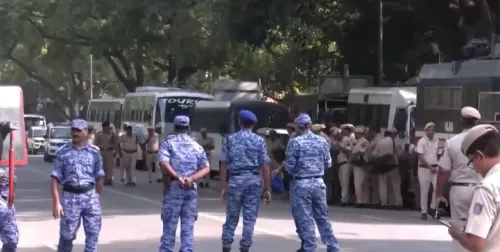
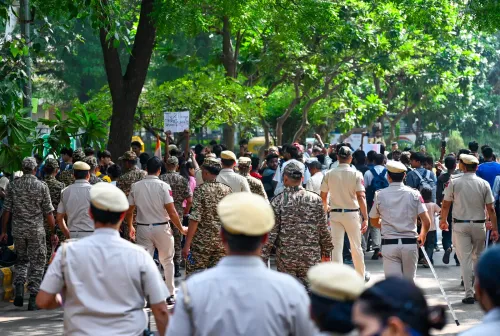
Delhi Police on Saturday, 3 October 2026 confirmed that prohibitory orders under Section 163 of the Bharatiya Nagarik Suraksha Sanhita (BNSS), 2023 remain in force across the New Delhi district, with no permission granted for any protest activity on the day. The orders were put in place a day earlier, ahead of a planned demonstration at Jantar Mantar against Chief Election Commissioner (CEC) Gyanesh Kumar over alleged irregularities in the Special Intensive Revision (SIR) of electoral rolls.
What Section 163 Prohibits
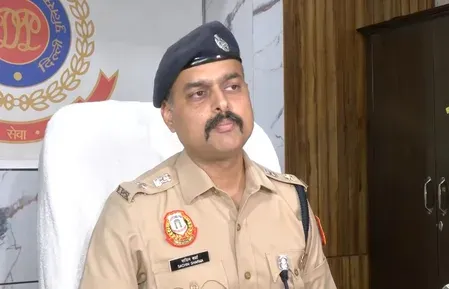
In an official post on X, the Deputy Commissioner of Police (DCP), New Delhi stated that the prohibitory orders are intended to ensure public safety, public order, and smooth traffic movement. Under the restrictions, unauthorised gatherings, public speeches, shouting of slogans, processions, demonstrations, dharnas, and other specified activities are strictly banned. Officials urged citizens to comply with the order, warning that violations would invite legal action under the law.
No Permission, No Prior Intimation
According to the DCP's post, no permission has been granted for any protest scheduled for 3 October 2026, and the police said they had not received any prior intimation regarding such a protest either. This effectively means any gathering at protest sites within the district would be treated as an unauthorised assembly subject to enforcement action.
Three FIRs Registered, Over 1,000 Detained
Delhi Police have registered at least three FIRs in connection with protests held in the national capital demanding the resignation of CEC Gyanesh Kumar. Two of the FIRs were lodged at the Parliament Street Police Station, while the third was registered at the Connaught Place Police Station. The cases have been filed under Section 223 of the Bharatiya Nyaya Sanhita (BNS), which pertains to disobedience of an order duly promulgated by a public servant.
Notably, no individual or organisation has been specifically named as an accused in any of the FIRs. However, officials confirmed that details of the organisers and organisations that proposed or participated in the demonstrations have been included in the case records.
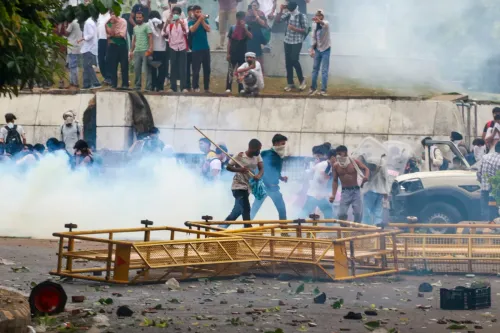
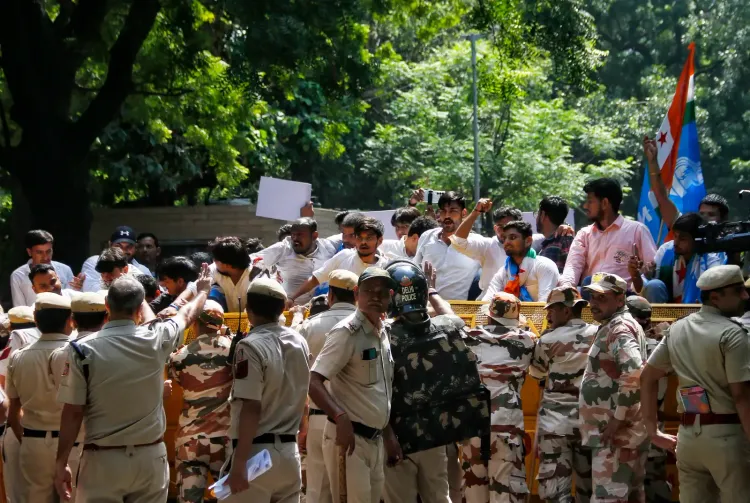
On Friday, 2 October 2026, police detained more than 1,000 protesters after they attempted to cross barricades and reach the designated protest site at Jantar Mantar, according to officials.
Background: Why Protesters Targeted the CEC
The agitation centres on allegations of irregularities in the Special Intensive Revision of electoral rolls, with protesters accusing CEC Gyanesh Kumar of overseeing a flawed process. Critics argue the SIR exercise has raised concerns about the integrity of voter lists ahead of upcoming elections. This is the latest in a series of confrontations between protest groups and authorities over electoral roll revisions in recent months.
What Happens Next
With prohibitory orders still active and multiple FIRs on record, any fresh attempt at mobilisation risks further detentions and legal consequences for organisers. Whether protest groups will challenge the prohibitory orders in court, or seek a formal permission window from police, is expected to become clear in the coming days. The situation continues to be closely monitored by authorities in the national capital.
Point of View
Preserving the option to charge organisers retrospectively. What is missing from the official account is any engagement with the underlying grievance: if the Special Intensive Revision of electoral rolls has genuine procedural problems, suppressing the protest does nothing to resolve them. The pattern of mass detentions followed by blanket prohibitory orders risks converting a specific accountability demand about election integrity into a broader civil liberties debate — which may ultimately amplify, not silence, the opposition's argument.
NationPress
3 Oct 2026
Frequently Asked Questions
What is Section 163 of BNSS and why has it been imposed in New Delhi?
Section 163 of the Bharatiya Nagarik Suraksha Sanhita (BNSS), 2023 empowers authorities to impose prohibitory orders banning public gatherings, processions, and demonstrations to maintain public order. Delhi Police imposed it across the New Delhi district from 2 October 2026 to prevent protests against Chief Election Commissioner Gyanesh Kumar over alleged irregularities in the Special Intensive Revision of electoral rolls.
Why are protesters demanding the resignation of CEC Gyanesh Kumar?
Protesters allege that Chief Election Commissioner Gyanesh Kumar oversaw irregularities in the Special Intensive Revision (SIR) of electoral rolls, raising concerns about the integrity of voter lists. They gathered at Jantar Mantar to demand his resignation, though the CEC and the Election Commission have not publicly responded to the specific allegations as reported.
How many people were detained and what charges have been filed?
More than 1,000 protesters were detained on Friday, 2 October 2026, when they attempted to breach barricades near Jantar Mantar. At least three FIRs have been registered under Section 223 of the Bharatiya Nyaya Sanhita (BNS), which deals with disobedience of a public servant's lawful order.
Have any individuals been named in the FIRs?
No individual or organisation has been specifically named as an accused in the FIRs. However, Delhi Police officials confirmed that details of organisers and organisations that proposed or participated in the demonstrations have been included in the case records, leaving open the possibility of future charges.
Can protesters still legally demonstrate in New Delhi?
Not while Section 163 of BNSS is in force. Any gathering, procession, dharna, or demonstration in the New Delhi district remains prohibited until the orders are lifted. Violation of the order is punishable under law. Protest groups may seek relief through the courts or apply for formal police permission once the orders are withdrawn.