Fadnavis defends Maharashtra SIR: 'Routine electoral process, not voter purge'
Synopsis
Maharashtra CM Devendra Fadnavis took to X to push back hard against opposition criticism of the state's ongoing Special Intensive Revision drive, insisting it is a routine, decades-old process. With the ECI extending the objection deadline to 26 October and the final voter list due on 16 November, the clock is ticking — and the political stakes over who stays on Maharashtra's rolls are rising.
Key Takeaways
CM Devendra Fadnavis defended the Special Intensive Revision (SIR) process on 14 October 2026 , calling it a routine electoral practice.
The Election Commission of India extended the deadline for claims and objections on Maharashtra's draft electoral roll to 26 October .
The final electoral roll will be published on 16 November , with disposal of claims running until 10 November .
First-time voters or those with missing names can register via Form 6 ; personal detail corrections require Form 8 .
All inclusion and deletion decisions rest with the Electoral Registration Officer (ERO) , not automated tools.
Citizens can verify their status via official portals, local BLOs , or the 1950 helpline .
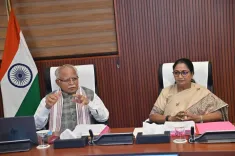
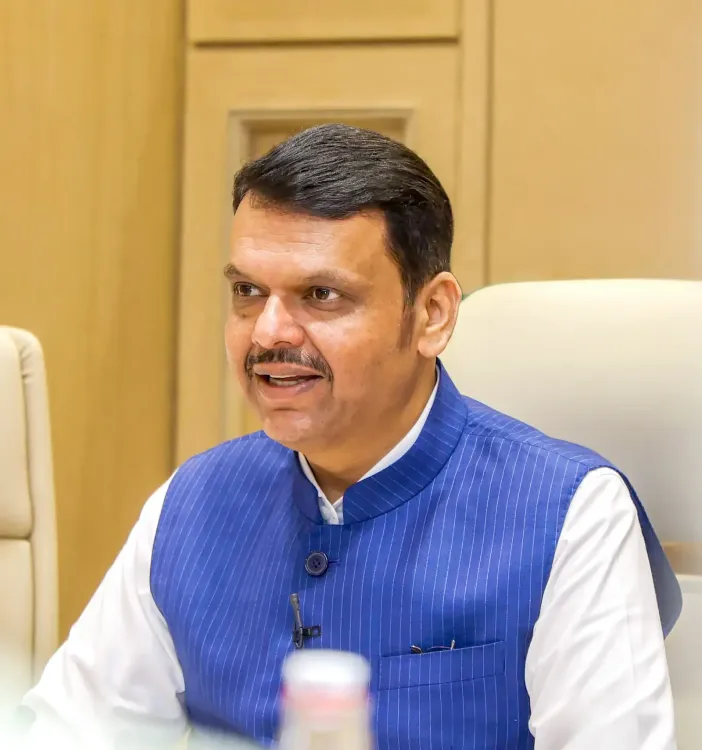
Maharashtra Chief Minister Devendra Fadnavis on Wednesday, 14 October 2026, strongly defended the ongoing Special Intensive Revision (SIR) process in the state, dismissing opposition criticism and what he described as widespread misconceptions about the electoral roll cleanup drive. Speaking through a post on X, Fadnavis stressed that the SIR is a decades-old, routine mechanism within India's electoral framework — not a novel or arbitrary tool — aimed at ensuring absolute accuracy and transparency in voter lists.
What the SIR Process Involves
The Chief Minister clarified that the primary intent of the Special Intensive Revision is to clean and update voter rolls — removing duplicate, deceased, and permanently shifted entries — rather than disenfranchising eligible citizens. He noted that all statutory decisions on inclusion or deletion rest strictly with the Electoral Registration Officer (ERO), even where advanced tools are used to flag anomalous or duplicate entries.
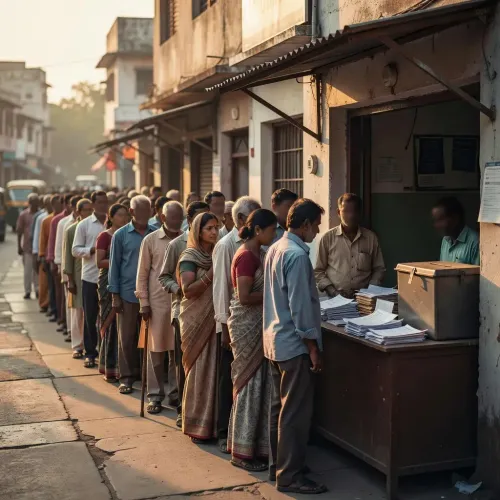
Fadnavis urged eligible citizens across Maharashtra to proactively verify their names in draft electoral rolls through official portals or local Booth Level Officers (BLOs), and to use the 1950 helpline for assistance before final lists are frozen.
Deadlines Extended, Fresh Windows Provided
Acknowledging initial gaps in public response, the Election Commission of India (ECI) on Monday extended the deadline for submitting claims and objections on the draft electoral roll in Maharashtra. Citizens can now file applications and objections until 26 October. The final electoral roll, however, will be published as originally scheduled on 16 November.
The revision is being conducted under the ongoing Special Summary Revision programme, with a qualifying date of 1 October. The draft electoral roll was officially published on 31 August, and the window for claims and objections has been active since that date. Resolution of submitted claims will continue until 10 November.
How Citizens Can Correct Their Details
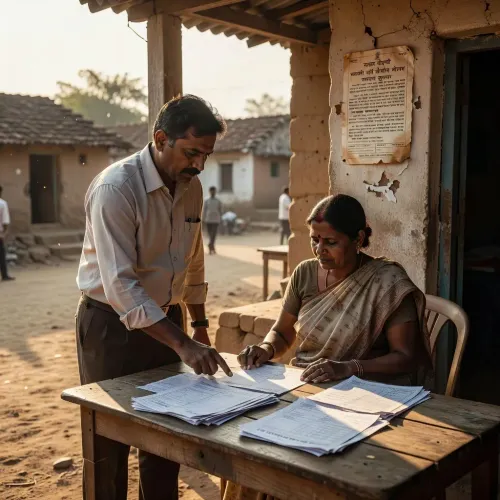
Voters whose names are missing or incorrectly omitted have been given renewed windows to apply for corrections. First-time voters or those whose names do not appear in draft lists can apply through Form 6. Errors in names, addresses, or other personal details can be rectified by submitting Form 8. Fadnavis appealed to citizens to check their names and details in the updated Maharashtra voter list to safeguard their franchise.
Political Context and Opposition Pushback
The defence comes amid sustained opposition criticism that the SIR exercise risks wrongful deletions and disenfranchisement ahead of local and state-level electoral cycles. Fadnavis rejected these concerns as misconceptions, asserting that maintaining clean rolls is 'fundamental to a robust democracy.' This is not the first time a large-scale voter-roll revision in Maharashtra has drawn political controversy — similar drives in preceding years prompted demands for independent oversight of deletion decisions.
Key Dates at a Glance
The draft electoral roll was published on 31 August. Claims and objections can be submitted until 26 October. Disposal of claims runs until 10 November. The final voter list will be officially released on 16 November. The state government maintains that weeding out invalid entries is a non-negotiable step to protect the sanctity of elections and ensure every valid vote counts.
Point of View
However routine in design, carry real disenfranchisement risk in practice — especially in a state with Maharashtra's urban migration patterns, where voter addresses frequently lag reality. The extension of the objection deadline to 26 October suggests the original timeline generated insufficient public response, which itself is a signal worth examining. The government's assertion that automated tools merely 'flag' entries while EROs hold final authority is the right process on paper, but oversight of ERO decisions remains opaque. With local electoral cycles on the horizon, the credibility of the November 16 final list will depend on how transparently those disposal decisions are documented and contested.
NationPress
14 Oct 2026
Frequently Asked Questions
What is the Special Intensive Revision (SIR) in Maharashtra?
The Special Intensive Revision (SIR) is a periodic electoral roll cleanup exercise conducted under India's electoral framework to remove duplicate, deceased, and shifted voter entries while adding eligible new voters. Maharashtra's current SIR is based on a qualifying date of 1 October, with the draft electoral roll published on 31 August 2026.
Why is CM Fadnavis defending the SIR process?
Chief Minister Devendra Fadnavis defended the SIR on 14 October 2026 in response to opposition criticism and public misconceptions that the drive could wrongfully remove eligible voters from the rolls. He clarified that the process is routine, decades-old, and that all deletion decisions rest with the Electoral Registration Officer, not automated systems.
What is the new deadline to submit claims and objections in Maharashtra's electoral roll?
The Election Commission of India has extended the deadline for submitting claims and objections on Maharashtra's draft electoral roll to 26 October 2026. The final electoral roll will be officially published on 16 November 2026, as per the original schedule.
How can Maharashtra voters correct mistakes or add their names to the voter list?
Eligible citizens whose names are missing or omitted from the draft list can apply through Form 6. Errors in names, addresses, or other personal details can be corrected by submitting Form 8. Voters can check their status via official portals, local Booth Level Officers, or the 1950 helpline.
Who decides which voters are removed from Maharashtra's electoral rolls?
All statutory decisions on inclusion or exclusion from the electoral roll rest with the Electoral Registration Officer (ERO). While advanced tools may assist in identifying duplicate or anomalous entries, the ERO holds the final authority — a point CM Fadnavis specifically highlighted to address public concerns about automated deletions.