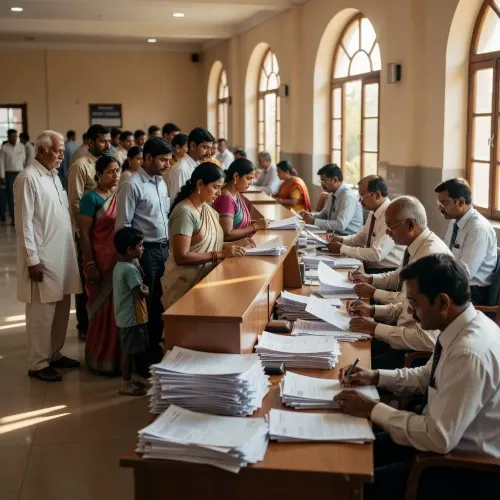
CM Fadnavis Busts 8 SIR Myths, Urges Voters to Check Rolls
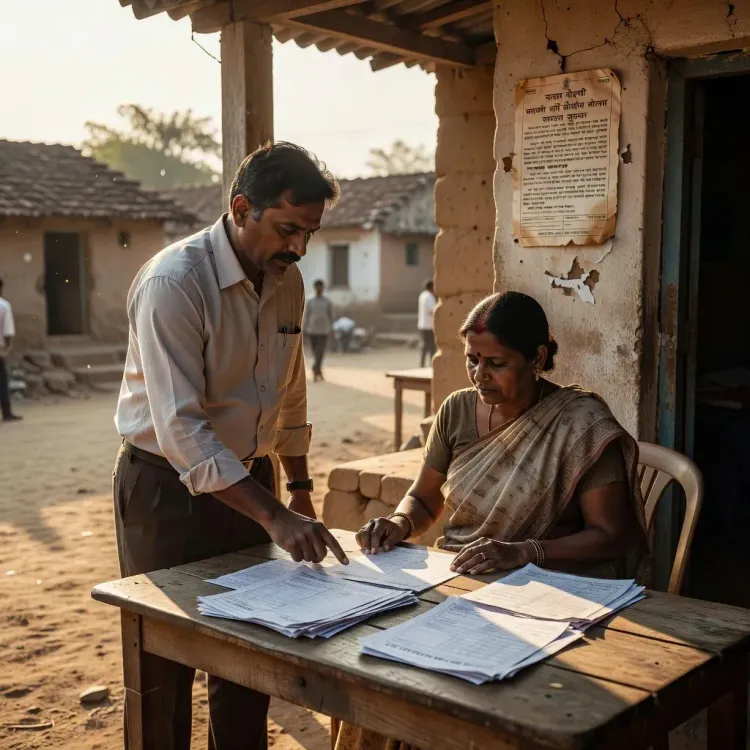
Synopsis
Maharashtra CM Devendra Fadnavis posted an eight-point Marathi guide on 14 October 2026 debunking myths about the Special Intensive Revision of electoral rolls, explaining Form 6, Form 8, ERO authority over AI tools, and the 1950 helpline for voter appeals.
Key Takeaways
CM Devendra Fadnavis posted an eight-point myth-buster on 14 October 2026 about Maharashtra's ongoing Special Intensive Revision (SIR) of electoral rolls.
Eligible voters removed in error can apply for reinclusion via Form 6 ; errors in existing entries are corrected through Form 8 .
AI tools in the SIR process only flag duplicate entries — the final statutory decision on every name rests with the Electoral Registration Officer (ERO) .
Documents can in some cases be submitted through the Booth Level Officer (BLO) , removing the need for an office visit.
Duplicate registrations — the same person enrolled at multiple locations — are illegal under Indian electoral law.
Citizens can call the 1950 helpline or use official Election Commission portals for assistance and appeals.
Your name on the voter list is your single most powerful civic asset — and Maharashtra Chief Minister Devendra Fadnavis wants every eligible voter in the state to verify it right now, before it is too late. On Wednesday, 14 October 2026, Fadnavis posted an eight-point myth-busting guide on X addressing widespread misconceptions around the ongoing Special Intensive Revision (SIR) of Maharashtra's electoral rolls.
Eight Myths the CM Wants Cleared Before Voting Day
The post, written in Marathi, laid out a crisp misconception-versus-fact format. The first and perhaps most consequential myth it tackled: that the SIR process removes eligible voters en masse. 'SIR चा उद्देश मतदारयादी अद्ययावत करणे आहे' — 'The purpose of SIR is to update the voter list' — Fadnavis clarified, urging anyone who finds their name missing to file a correction immediately rather than assume permanent exclusion.
On re-enrolment, the post was equally direct: eligible citizens can apply through Form 6 at any time based on the prescribed qualification date — there is no requirement to wait for the SIR exercise to conclude. For corrections to existing entries — name, address, or other details — Form 8 is the remedy. Fadnavis also pointed voters to the 1950 helpline and official Election Commission portals for appeals or assistance.
AI Flags Duplicates — Humans Decide
One of the sharper clarifications in the post addressed growing anxiety around artificial intelligence in electoral processes. Fadnavis confirmed that AI tools are used only to identify duplicate entries; the final statutory call on every inclusion or deletion rests with the Electoral Registration Officer (ERO). No algorithm removes a name unilaterally. That single fact matters enormously in a state where millions of voters are enrolled across dense, overlapping urban and rural databases.
He also reminded citizens that duplicate entries — the same person registered at more than one location — are prohibited by law, and that documents can in some cases be submitted through the Booth Level Officer (BLO) rather than requiring a personal visit to a government office. Where a hearing is mandated, official notices must not be ignored.
Why Maharashtra's Voter List Is Under the Microscope
Special Intensive Revisions are a periodic, nationally mandated exercise by the Election Commission of India to clean electoral rolls under the Representation of the People Act — removing ghost entries, reconciling duplicates thrown up by migration, and enrolling newly eligible voters. Maharashtra, with one of the largest and most mobile electorates in India, is a perennial pressure-point for list accuracy. Clarification campaigns of exactly this kind have accompanied similar drives across multiple states, each time racing against public anxiety that legitimate voters will be quietly struck off.
Fadnavis closed with a direct call to action: check your name today. Eligible voters who stay passive risk finding themselves disenfranchised — not because the system failed them, but because they never looked.
Point of View
A charge that has dogged roll-revision exercises across India. By publicly amplifying Election Commission process details and naming specific remedies (Form 6, Form 8, ERO authority, the 1950 helpline), he shifts responsibility back to voters while insulating the BJP-led government from disenfranchisement allegations. The AI clarification is especially timely: as digital tools enter electoral administration, public trust hinges on visible human accountability, and naming the ERO as the statutory decision-maker does exactly that work. Whether this outreach translates into measurable enrolment accuracy depends on ground-level BLO mobilisation — the real test of any SIR campaign.
NationPress
14 Oct 2026
Frequently Asked Questions
What is SIR in Maharashtra elections?
SIR stands for Special Intensive Revision — a periodic exercise by the Election Commission of India to update, clean and verify the electoral roll by removing duplicates, correcting errors and adding newly eligible voters.
How do I add my name to the Maharashtra voter list?
Eligible citizens can apply using Form 6 through the official Election Commission portal or at their local Electoral Registration Office; there is no need to wait for an SIR exercise to finish.
How do I correct my details in the Maharashtra voter list?
Submit Form 8 to correct your name, address, or any other detail in the electoral roll — corrections can be filed online or through your Booth Level Officer (BLO).
Does AI automatically delete names from the voter list in India?
No. AI tools in the SIR process only identify potential duplicate entries; the final decision on every inclusion or deletion is made by the Electoral Registration Officer (ERO), who is a statutory authority.
What is the 1950 helpline for voter list issues?
The 1950 helpline is the Election Commission of India's national voter helpline — citizens can call it for guidance on checking their registration, filing forms, or making an appeal against a decision on their voter-list entry.