CM Fadnavis traces SIR's roots in India's voter-roll history
Synopsis
Maharashtra CM Devendra Fadnavis posted a detailed historical account of India's Intensive Revision of electoral rolls, tracing rounds from 1952 to 2004 and positioning the current Special Intensive Revision as the constitutional next step in a seven-decade tradition.
Key Takeaways
CM Fadnavis traced SIR milestones from 1952–56 through 2002–04 , listing multiple national rounds of intensive voter-list revision.
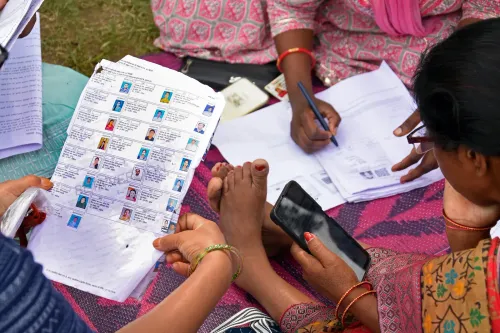
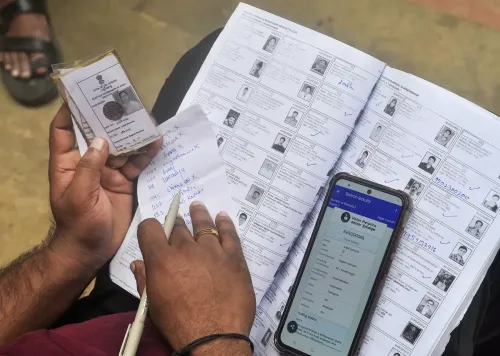
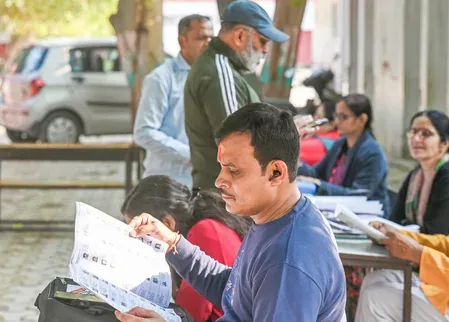
The process involves house-to-house visits, distribution and collection of Enumeration Forms, and independent verification of every registered voter.
Rapid urbanisation and frequent internal migration are identified as the key forces that cause voter rolls to drift out of accuracy over time.
The Election Commission's core objective is to ensure every eligible citizen is included and no eligible citizen is excluded from the voter list.
Fadnavis frames the current Special Intensive Revision (SIR) in Maharashtra as a direct continuation of this long-established constitutional practice.
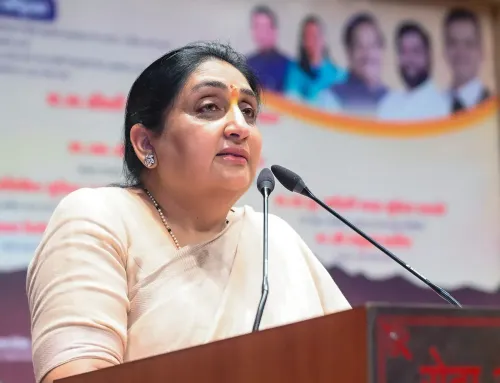
Decades before digital voter rolls and biometric verification, India's Election Commission was already walking door-to-door — and Maharashtra Chief Minister Devendra Fadnavis wants voters to understand exactly why that tradition matters today. On Monday, 5 October 2026, Fadnavis posted a detailed historical thread on X tracing the milestones of Special Intensive Revision (SIR) of electoral rolls, framing the current exercise as the latest chapter in a practice that stretches back to 1952.
Seven decades of door-to-door verification
The post, written in Marathi, outlines a methodical timeline: the Election Commission conducted sweeping intensive revisions of voter lists across most of the country between 1952 and 1956, then again in 1957, 1961, 1965, and 1966. A second major wave followed across 1983–84, 1987–89, 1992, 1993, and 1995, and yet another round was completed in 2002, 2003, and 2004. The pattern is unmistakable: roughly every decade, when demographic drift outpaces routine updates, the Commission resets with a ground-level count.
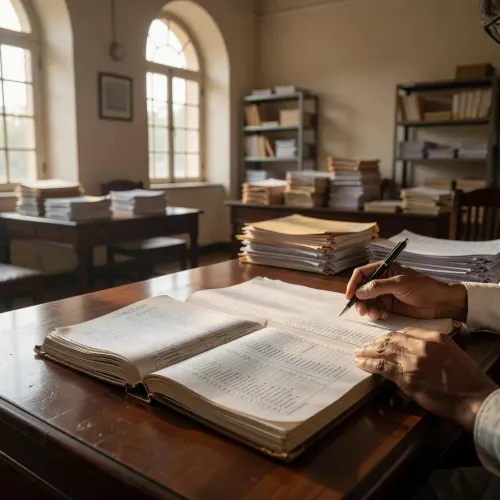
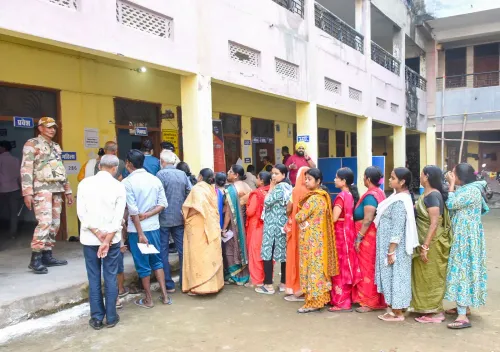
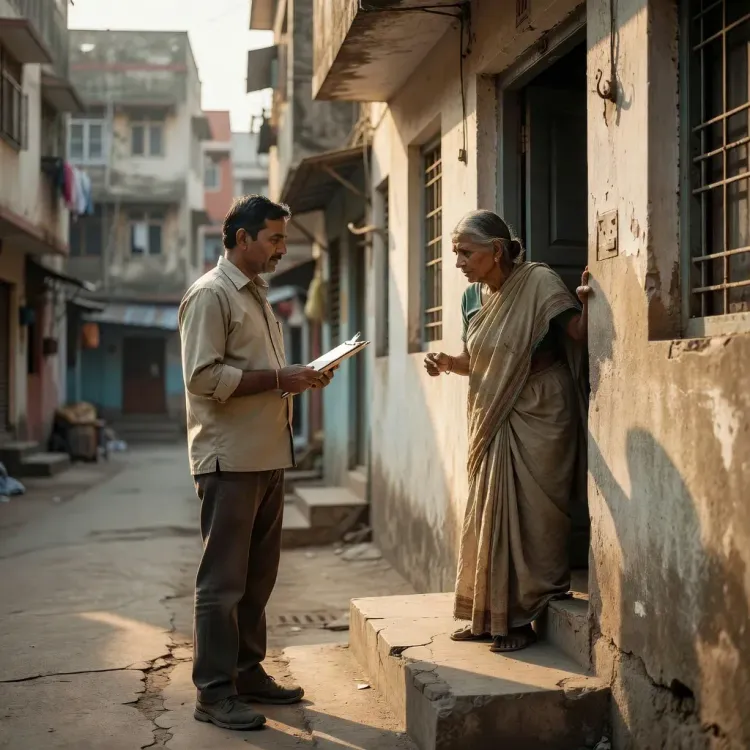
Fadnavis explains what intensive revision actually involves — field workers visiting every household, distributing and collecting Enumeration Forms (मतदार गणना अर्ज), and independently verifying each registered voter. In short, the voter list is rebuilt from scratch through enumeration, not merely patched. It is painstaking, unglamorous, and, the CM argues, essential.
Urbanisation and migration: why rolls keep slipping out of date
The post identifies the two structural forces that make periodic intensive revision unavoidable: rapid urbanisation and frequent migration. Over the past 20 years, voter lists have seen massive additions and deletions — new eligible citizens turning 18, deaths, people moving between constituencies, and duplicate registrations created by internal migration. Any list built on routine summary revision alone quietly accumulates errors. Fadnavis frames these demographic pressures as the core justification for why a fuller, more disruptive exercise is occasionally necessary.
The Election Commission's stated goal, as quoted in the post, is clear: ensure every eligible citizen is included and no eligible citizen is left out. That principle has not changed since the first general election. What changes is the scale of the task — and, in 2026, the political attention surrounding it.
Current SIR as the next link in a long chain
The CM's central argument is structural, not partisan: the ongoing Special Intensive Revision (SIR) in Maharashtra is not an extraordinary intervention but the continuation of a constitutional practice. By anchoring today's exercise to eight-plus historical rounds dating to Independence, Fadnavis is making a legitimacy argument — that any critique of SIR must contend with seven decades of bipartisan, multi-government precedent.
Whether voters and opposition parties accept that framing will shape the political conversation around SIR as the revision proceeds across Maharashtra. The Commission's credibility, and ultimately the integrity of the next election's rolls, rests on how thoroughly this latest enumeration is carried out — house by house, name by name.
Point of View
Fadnavis is deploying a legitimacy-by-precedent strategy: the argument that SIR is not a BJP-era innovation but a bipartisan, multi-decade constitutional norm insulates the exercise from charges of political manipulation. The framing is notable for its procedural tone — it avoids attacking opponents directly and instead grounds the current revision in Election Commission practice going back to the Nehru era. If opposition parties contest SIR's scope or timing, this historical scaffolding becomes a ready rebuttal. The post also signals that the ruling dispensation intends to own the voter-roll narrative in Maharashtra well ahead of the next electoral cycle.
NationPress
5 Oct 2026
Frequently Asked Questions
What is Special Intensive Revision (SIR) of voter lists in India?
Special Intensive Revision (SIR) is a comprehensive process in which election officials visit every household to enumerate voters, distribute and collect Enumeration Forms, and independently verify voter records — effectively rebuilding the voter list from scratch rather than making incremental updates.
When has India conducted Intensive Revision of electoral rolls before?
India has conducted multiple rounds of Intensive Revision since Independence: between 1952 and 1956, then in 1957, 1961, 1965, and 1966, again across 1983–84, 1987–89, 1992, 1993, and 1995, and most recently in 2002, 2003, and 2004.
Why is Maharashtra holding a Special Intensive Revision in 2026?
Maharashtra CM Devendra Fadnavis argues that rapid urbanisation and frequent migration over the past two decades have led to significant additions and deletions in voter lists, making a thorough ground-level enumeration necessary to restore accuracy and ensure no eligible voter is excluded.
What happens during an Intensive Revision of voter lists?
During Intensive Revision, field workers go house-to-house, distribute Enumeration Forms to all households, collect filled forms, and independently verify the details of each registered voter. The goal is to build a fresh, accurate list rather than simply amending the existing one.
What is CM Devendra Fadnavis's position on the current SIR?
Fadnavis supports the current Special Intensive Revision, framing it as the latest phase in a constitutional practice that has been carried out by the Election Commission across multiple governments since 1952 — not a new or partisan intervention.