CM Conrad Sangma Sets Up Sixth Meghalaya Pay Commission
Synopsis
The Meghalaya cabinet has approved the Sixth Pay Commission to review state government employees' salaries and service conditions. Chaired by former Chief Secretary D. P. Wahlang, the panel has eight months to submit its recommendations. CM Conrad Sangma confirmed employees and their representatives can engage directly with the commission.
Key Takeaways
The Meghalaya Cabinet approved the Sixth Meghalaya Pay Commission on November 19, 2026 .
The commission is chaired by former Chief Secretary D.
Wahlang , with Lyngwa and Ambrose Marak as members.
The panel has been given eight months to complete its work and submit recommendations.
Government employees and their representatives will be able to engage directly with the commission once it begins functioning.
The government has retained flexibility to add further terms of reference to address all relevant concerns.
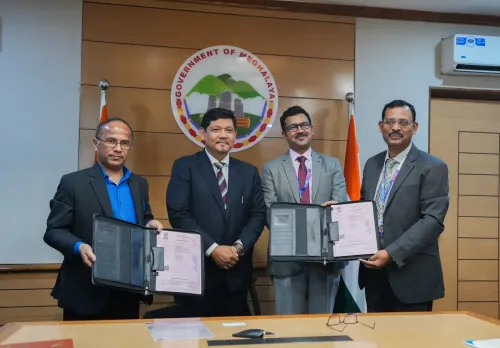
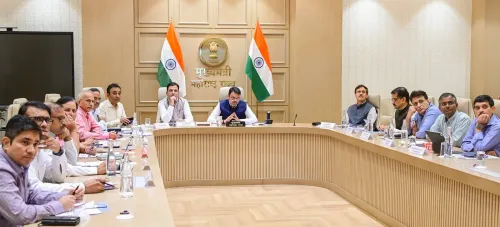
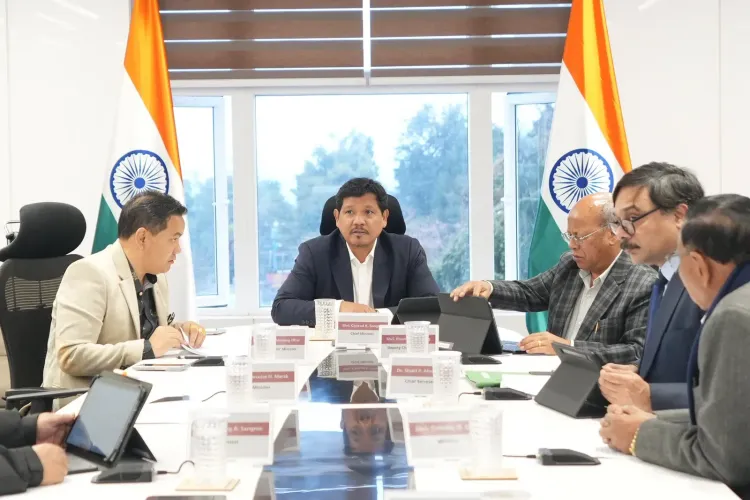
Meghalaya Chief Minister Conrad Sangma has moved to address one of the most persistent demands of the state's government workforce — a formal review of pay and service conditions — with the cabinet approving the constitution of the Sixth Meghalaya Pay Commission on Thursday, November 19, 2026. The commission gets eight months to complete its work and submit recommendations.
Who will lead the commission
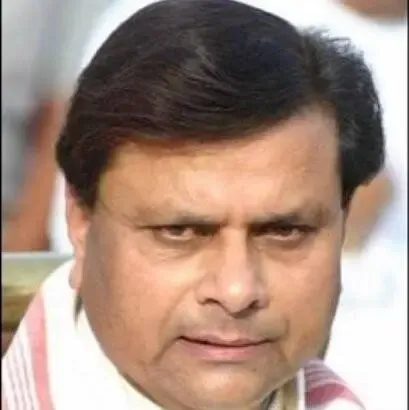
The panel will be chaired by D. P. Wahlang, a former Chief Secretary of Meghalaya — bringing institutional memory and administrative credibility to the exercise. He is joined by two members: retired senior official Lyngwa and Ambrose Marak. The composition leans on experienced hands from within the state's bureaucratic apparatus rather than outside experts, signalling a preference for insiders who know the terrain.
What employees can expect from the process
CM Sangma made a point of signalling openness: 'All such concerns can be placed before the Commission, and employees and their representatives will also have the opportunity to engage directly with it once it begins functioning.' That direct-engagement window is significant — it frames this not as a top-down administrative exercise but as a consultative one. The government has also retained the flexibility to expand the commission's terms of reference, leaving room to fold in issues that surface during consultations.
Meghalaya pay reviews in the national pattern
Indian states periodically constitute pay commissions, often moving in the wake of central government pay revisions that reset employee expectations across the country. Meghalaya's sixth iteration follows that established rhythm, with the cabinet signalling it recognises 'the various concerns and expectations of Government employees.' The eight-month deadline — running from late November 2026 — means recommendations could be on the table by mid-2027, shaping budgetary planning for the state's subsequent financial year.
The real test, as with every pay commission in India, will come after the report lands: how quickly the government translates recommendations into actual orders, and how much of what employees ask for makes it through. For now, the clock is running.
Point of View
Which faces the perennial challenge of retaining a satisfied bureaucracy in a small northeastern state with limited fiscal headroom. By building in a direct-consultation mechanism and retaining the right to expand terms of reference, the government is managing expectations carefully — keeping the process open enough to absorb grievances without committing to specific outcomes. The eight-month timeline keeps pressure on the commission while giving the government enough runway to absorb the fiscal implications before the next budget cycle.
NationPress
19 Nov 2026
Frequently Asked Questions
What is the Sixth Meghalaya Pay Commission?
It is a commission approved by the Meghalaya Cabinet to review and recommend revisions to the pay scales, allowances, and service conditions of state government employees. It is the sixth such panel constituted by the state.
Who chairs the Sixth Meghalaya Pay Commission?
Former Chief Secretary of Meghalaya D. P. Wahlang has been appointed as chairman. Lyngwa and Ambrose Marak , both retired senior officials, serve as members.
How long does the Sixth Meghalaya Pay Commission have to submit its report?
The commission has been given eight months from its constitution to complete its work and submit recommendations to the government.
Can Meghalaya government employees submit their concerns to the pay commission?
Yes. Chief Minister Conrad Sangma confirmed that employees and their representatives will have the opportunity to engage directly with the commission once it begins functioning, and all concerns can be formally placed before it.
Why do states form pay commissions?
Indian states periodically constitute pay commissions to revise salaries, allowances, and service conditions of their employees, often in alignment with or following central government pay revisions that reset expectations across the public sector.