Meghalaya CM Conrad Sangma slams foreign intervention push in FCRA debate

Synopsis
Meghalaya Chief Minister Conrad K. Sangma drew a firm line on Tuesday: foreign entities have no place in India's FCRA debate. But his remarks cut both ways — he also warned the Centre that Christian institutions and civil society groups dependent on legitimate overseas funding must not be left feeling insecure by the proposed amendments. It is a rare balancing act from a Northeast leader straddling federal loyalty and regional concern.
Key Takeaways
Meghalaya CM Conrad K.
Sangma called seeking foreign intervention in India's FCRA debate 'very, very inappropriate' on 6 October .
He said all concerns over the proposed FCRA amendments must be resolved through India's democratic and constitutional institutions.
Sangma urged finding a 'middle path' that protects Christian institutions and civil society organisations relying on legitimate foreign contributions.
He simultaneously acknowledged the Centre's right to maintain an effective regulatory mechanism for monitoring foreign funding.
The remarks come amid wider unease among Northeast India's civil society and religious bodies over the potential impact of proposed FCRA changes.
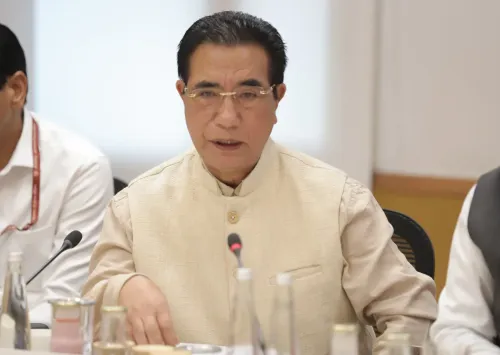
Meghalaya Chief Minister Conrad K. Sangma on Tuesday, 6 October sharply criticised an appeal that sought foreign intervention in India's ongoing debate over proposed amendments to the Foreign Contribution (Regulation) Act (FCRA), calling the move 'very, very inappropriate'. Sangma insisted that matters concerning India's laws must be resolved within the country's own democratic and constitutional institutions.
Sangma's Core Position
Speaking on the controversy, the Meghalaya Chief Minister was unequivocal: 'Seeking intervention from outside agencies in our internal matters is very, very inappropriate,' he said. He acknowledged that the appeal was a mistake but urged stakeholders to focus on a constructive path forward rather than allow the issue to deepen into political confrontation.
Sangma also cautioned elected representatives against exploiting sensitive issues for political gains, expressing hope that such incidents would not recur.
Call for a 'Middle Path' on FCRA
On the substance of the proposed FCRA amendments, Sangma called for dialogue and a balanced approach. He said a 'middle path' must be found through discussions, representations, and democratic processes entirely within India — not through appeals to foreign entities or organisations.
The Chief Minister particularly emphasised the need to protect Christian institutions and other organisations that depend on legitimate foreign contributions, saying they should not be made to feel insecure by the proposed changes. This is a significant signal from a Chief Minister who leads a state with one of the largest Christian populations in the country.
Balancing Rights and Regulation
At the same time, Sangma acknowledged the Centre's legitimate interest in maintaining an effective regulatory mechanism to monitor foreign funding and ensure legal compliance. He stopped well short of opposing the amendments outright, instead stressing that the regulatory goal and the concerns of civil society organisations are not mutually exclusive.
Notably, the remarks come amid growing unease among sections of civil society and religious organisations across Northeast India over how tighter FCRA norms could affect institutions that rely on overseas donations for health, education, and social welfare work.
Broader Political Context
Sangma urged political leaders across party lines to work together and find solutions within India's constitutional framework. The appeal to foreign entities — which triggered his remarks — reflects a wider tension between advocacy groups seeking international attention for domestic policy concerns and the government's position that such matters are strictly internal.
This is not the first time the FCRA has generated controversy: earlier rounds of amendments in 2010 and 2020 also drew protests from NGOs, religious bodies, and civil liberties groups who argued the law was being tightened in ways that disproportionately affected minority and faith-based organisations.
As the legislative debate on the latest proposed changes continues, Sangma's intervention signals that even within the ruling alliance's broader ecosystem, there are voices calling for restraint and consultation.
Point of View
He is threading a needle that many in the BJP's Northeast alliance partners must navigate. The FCRA's 2020 amendments already severely restricted sub-granting — a provision that crippled grassroots organisations in states like Meghalaya — and the proposed new changes risk compounding that damage. The real question mainstream coverage is missing: will the Centre treat Sangma's 'middle path' call as political signalling to be absorbed quietly, or as a genuine opening for consultative revision? His leverage depends entirely on that answer.
NationPress
7 Oct 2026
Frequently Asked Questions
Why did Meghalaya CM Conrad Sangma criticise the appeal for foreign intervention in the FCRA debate?
Sangma said seeking intervention from foreign agencies in India's internal legislative matters is 'very, very inappropriate.' He stressed that concerns over the proposed FCRA amendments should be addressed through India's democratic and constitutional institutions, not through external bodies.
What is the FCRA and why are proposed amendments controversial?
The Foreign Contribution (Regulation) Act regulates how Indian organisations can receive and use foreign donations. Proposed amendments have alarmed civil society groups and religious organisations, particularly in Northeast India, who fear tighter norms could cut off legitimate overseas funding for health, education, and welfare work.
What did Sangma say about Christian institutions and the FCRA?
Sangma specifically emphasised that Christian institutions and other organisations receiving legitimate foreign contributions should not be made to feel insecure by the proposed FCRA amendments. He called for a balanced approach that addresses their concerns while preserving the government's regulatory role.
What 'middle path' did Sangma propose for resolving FCRA concerns?
He called for dialogue, representations, and democratic processes within India to find a balanced solution — one that addresses civil society concerns without resorting to appeals to foreign entities. He urged politicians across party lines to work together within the constitutional framework.
Who is likely to be affected by the proposed FCRA amendments?
Civil society organisations, NGOs, and religious institutions — especially in Northeast India — that depend on legitimate foreign contributions for social, educational, and health programmes are most directly at risk if the proposed FCRA changes tighten regulations further.