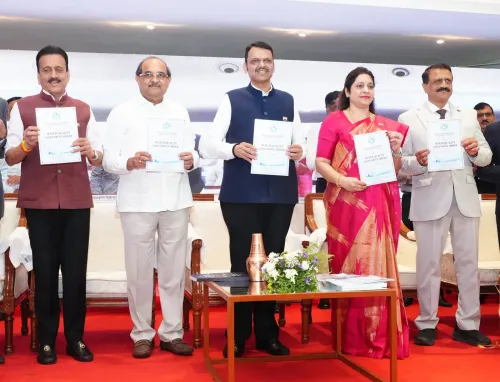
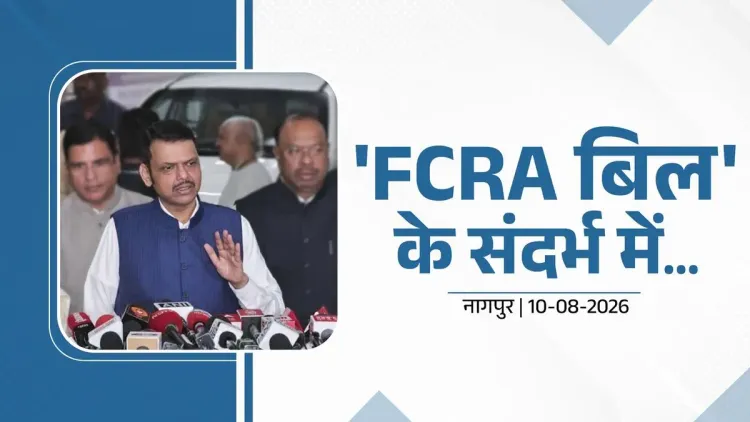
CM Fadnavis Addresses Media on FCRA Bill in Nagpur
Synopsis
Maharashtra Chief Minister Devendra Fadnavis held a press interaction in Nagpur on August 10, 2026 to discuss the FCRA Bill — legislation governing foreign contributions to Indian NGOs — placing Maharashtra at the centre of a nationally significant regulatory debate.
Key Takeaways
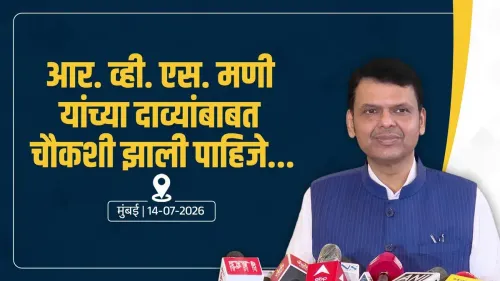
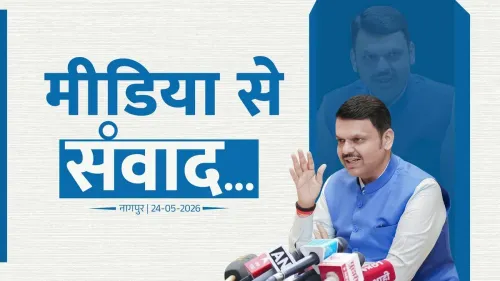
Devendra Fadnavis , Chief Minister of Maharashtra, addressed the media in Nagpur on August 10, 2026 regarding the FCRA Bill .
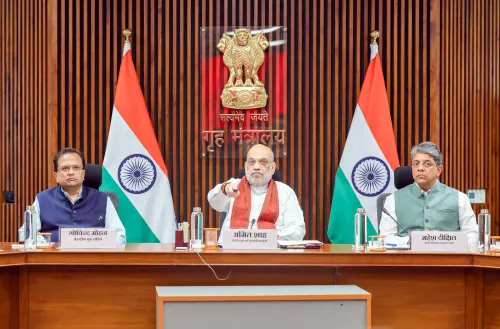
The Foreign Contribution (Regulation) Act (FCRA) is administered by the Ministry of Home Affairs and governs how Indian NGOs and associations receive foreign funds.
The last major amendment — the Foreign Contribution (Regulation) Amendment Act, 2020 — restricted sub-granting and capped administrative expenses at 20 percent of foreign funds.
Maharashtra hosts a large number of registered NGOs and civil society bodies directly affected by FCRA rules.
Fadnavis's direct public engagement signals the FCRA Bill carries significant administrative or political weight at the state level.
Nagpur, August 10, 2026 — Maharashtra Chief Minister Devendra Fadnavis stepped before the press in Nagpur on Monday to speak on the 'FCRA Bill' — the proposed legislation touching the Foreign Contribution (Regulation) Act, a statute that governs how Indian NGOs and civil society bodies receive and spend money from abroad.
What the FCRA Governs — and Why It Matters to Maharashtra
The Foreign Contribution (Regulation) Act (FCRA), administered by the Ministry of Home Affairs, sits at the intersection of national security and civil society funding. The last major overhaul — the Foreign Contribution (Regulation) Amendment Act, 2020 — tightened rules on sub-granting between NGOs and capped administrative expenditure from foreign funds at 20 percent. Those changes reshaped the operating landscape for thousands of registered associations across India.
Maharashtra, home to a dense network of NGOs and civil society organisations, is directly affected by how the law is enforced and any further amendments proposed. State leaders engaging publicly on FCRA signals that implementation issues — compliance, registration, or enforcement actions against local entities — are live concerns at the ground level.
Fadnavis at the Podium: Reading the Signal
Chief Minister Fadnavis's decision to personally address the media on the 'FCRA Bill' — rather than leaving it to a ministry spokesperson — suggests the matter carries political and administrative weight in Maharashtra. Whether the interaction concerned proposed new amendments, enforcement actions affecting local NGOs, or state-level compliance guidance, the Chief Minister's direct engagement places Maharashtra at the centre of the conversation.
FCRA regulation has long been a flashpoint between the central government and civil society groups, with critics arguing the law's restrictions have chilled legitimate humanitarian and advocacy work. Supporters contend that rigorous oversight of foreign funding is a non-negotiable sovereignty question. Fadnavis's public engagement adds a state-level voice to that ongoing national debate.
The details of what the Chief Minister said to the press will shape what comes next — but the fact that he said it publicly, in Nagpur, on the record, means Maharashtra's position on the FCRA Bill is now part of the conversation.
Point of View
Who straddles the role of Maharashtra's top executive and a senior BJP leader, engaging on FCRA publicly could serve to reassure civil society actors in the state, reinforce the party's governance credentials, or pre-empt criticism of tightening rules. The move fits a broader pattern of BJP-governed states calibrating their public posture on contentious central laws that affect local non-profit ecosystems.
NationPress
24 Sept 2026
Frequently Asked Questions
What is the FCRA Bill that CM Fadnavis discussed in Nagpur?
The FCRA Bill refers to proposed legislation related to the Foreign Contribution (Regulation) Act, which governs how Indian NGOs and associations can receive and use money from foreign sources. CM Fadnavis addressed media on the subject in Nagpur on August 10, 2026.
What does the Foreign Contribution (Regulation) Act do?
The FCRA, administered by India's Ministry of Home Affairs, regulates the receipt and utilisation of foreign contributions by Indian associations, NGOs, and individuals. The 2020 amendment tightened sub-granting rules and capped administrative expenses at 20 percent of foreign funds.
Why is FCRA relevant to Maharashtra?
Maharashtra is home to a large number of registered NGOs and civil society organisations that receive foreign funding and must comply with FCRA regulations. Changes to the law directly affect their operations and funding structures.
What changes did the FCRA Amendment Act 2020 introduce?
The Foreign Contribution (Regulation) Amendment Act, 2020 restricted NGOs from sub-granting foreign funds to other organisations and capped administrative expenditure from foreign contributions at 20 percent, among other compliance changes.
Who administers the FCRA in India?
The FCRA is administered by the Ministry of Home Affairs at the central government level. State governments do not have direct legislative control over it, but their leaders can publicly engage on its implementation and impact.