FCRA amendment row: K.C. Venugopal writes to PM Modi, churches plan legal battle
Synopsis
The Centre's FCRA amendment is drawing fire on two fronts simultaneously: Congress MP K.C. Venugopal has formally written to PM Modi demanding a rollback, while church collective ACTS has already filed court petitions and called a protest day on June 28. The government says no rollback is planned — making a parliamentary and judicial collision virtually certain.
Key Takeaways
Congress General Secretary K.C.
Venugopal has written to PM Narendra Modi demanding immediate withdrawal of the amended FCRA rules.
The amendment is alleged to disproportionately burden minority-run educational, charitable, and social-service institutions.
Church collective ACTS , chaired by president Bishop Dr.
Oommen George , has resolved to challenge the rules in court; General Secretary George Sebastian confirmed petitions have been filed.
ACTS has declared 28 June a protest day, with demonstrations planned at churches and public venues across Kerala .
The INDIA Bloc is reportedly coordinating a parliamentary strategy to oppose the amendment in the forthcoming session.
The Union government has ruled out a rollback, maintaining the amendment is aimed at strengthening transparency in foreign fund utilisation.
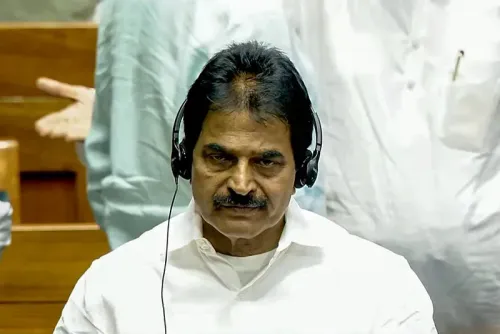
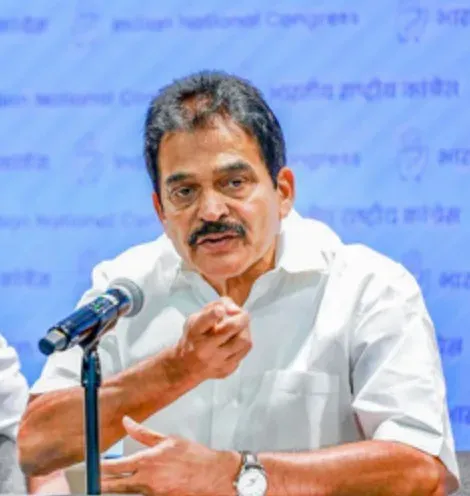
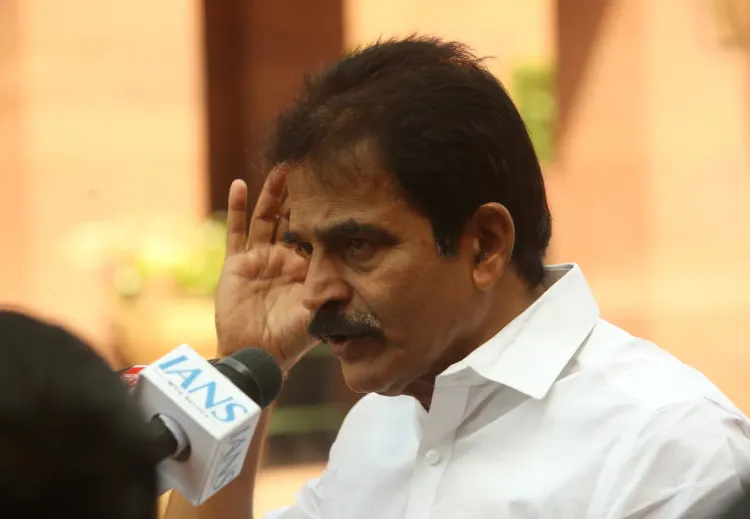
Congress General Secretary and Member of Parliament K.C. Venugopal has written to Prime Minister Narendra Modi demanding the immediate rollback of the Centre's recent amendment to the Foreign Contribution Regulation Act (FCRA) rules, even as Christian church organisations prepare to mount a legal challenge against the revised provisions. The twin political and judicial offensive signals that the FCRA amendment is rapidly becoming one of the more contentious regulatory disputes of the current parliamentary cycle.
What Venugopal's Letter Demands
In his letter to the Prime Minister, Venugopal argued that the amended FCRA rules adversely affect the rights of minority communities and the institutions that serve them. He contended that the revised framework could impose fresh compliance hurdles on organisations that depend on foreign contributions, effectively undermining their capacity to operate. The Congress MP stopped short of detailing specific provisions but framed the amendment as a structural threat to minority-run educational, charitable, and social-service bodies.
The issue is also expected to find a platform in Parliament, with the INDIA Bloc reportedly working on a coordinated legislative strategy to oppose the amendment during the forthcoming session. Opposition parties broadly argue that the new rules will disproportionately burden minority-run institutions, even if the stated intent is sector-wide.
Government's Position: No Rollback Planned
The Union government has been unambiguous in its response. Government sources have maintained that the amendment is not directed at any specific community and is designed solely to strengthen transparency and accountability in the utilisation of foreign funds. Officials have indicated that a withdrawal is not under consideration, setting the stage for a prolonged standoff.
Churches Move Toward Legal Redress
ACTS — a collective platform of Christian churches — has formally resolved to challenge the amendment in court. A leadership meeting chaired by ACTS president Bishop Dr. Oommen George concluded that the revised rules would seriously impair the functioning of voluntary organisations, community bodies, and social movements that rely on foreign funding.
ACTS General Secretary George Sebastian confirmed that legal redress petitions have already been filed before the appropriate courts. The organisation has additionally designated 28 June as a protest day, with demonstrations and awareness programmes planned at churches and public venues across Kerala.
Broader Stakes: Civil Society and Minority Rights
The FCRA has long been a flashpoint between the Centre and civil society organisations. Critics argue that successive tightening of FCRA rules — this amendment being the latest — has progressively narrowed the operating space for non-governmental and faith-based organisations. Notably, this is not the first time church bodies have sought judicial intervention over FCRA-related concerns; similar legal challenges have been mounted in earlier amendment cycles.
Supporters of the amendment counter that stricter oversight is necessary to prevent misuse of foreign funds, pointing to past cases where FCRA-registered entities were found to have diverted contributions. The government's position essentially frames tighter rules as a governance imperative rather than a targeted restriction.
What Happens Next
With petitions already filed in court and Parliament set to take up the issue, the FCRA amendment is entering a multi-front contestation — legislative, judicial, and civic. The outcome of the court proceedings, and the government's response to Opposition pressure in the forthcoming session, will determine whether the rules are modified, stayed, or upheld in their current form.
Point of View
Civil society and minority organisations cry targeted restriction, and the courts are left to referee. What is different this time is the speed and simultaneity of the pushback — a sitting MP's formal letter to the PM, a church collective already in court, and a bloc-wide parliamentary strategy, all within days of the amendment. The government's 'no rollback' posture hardens the confrontation rather than defusing it. Historically, FCRA tightening has survived judicial scrutiny, but the political cost of appearing to squeeze minority institutions — especially ahead of any electoral cycle — is a calculation the ruling side will need to manage carefully.
NationPress
24 Sept 2026
Frequently Asked Questions
What is the FCRA amendment that is being challenged?
The Centre has recently amended the rules under the Foreign Contribution Regulation Act (FCRA), which governs how Indian organisations receive and utilise foreign funds. Critics, including Congress MP K.C. Venugopal and church body ACTS, argue the revised rules impose additional hurdles on minority-run and civil society organisations that depend on foreign contributions.
What has K.C. Venugopal asked PM Modi to do?
K.C. Venugopal, Congress General Secretary and Member of Parliament, has written to Prime Minister Narendra Modi demanding the immediate withdrawal of the FCRA amendment. He argued the changes adversely affect minority communities and the institutions that serve them.
What legal action are Christian churches taking against the FCRA amendment?
ACTS, a collective platform of Christian churches, has filed legal redress petitions before the appropriate courts challenging the amended FCRA rules. The decision was taken at a leadership meeting chaired by ACTS president Bishop Dr. Oommen George, with General Secretary George Sebastian confirming the filings.
What is the government's response to calls for a rollback?
The Union government has ruled out a rollback. Government sources maintain the amendment is not targeted at any specific community and is intended solely to improve transparency and accountability in the use of foreign funds.
What protest action has ACTS announced?
ACTS has declared 28 June as a protest day, with demonstrations and awareness programmes scheduled at churches and public venues across Kerala to oppose the FCRA amendment.