FCRA Bill 2026: Congress calls it unconstitutional, BJP hits back hard
Synopsis
Before the FCRA Amendment Bill 2026 has even been tabled in Parliament, it has already split the political class. Congress calls it unconstitutional and minority-targeting; BJP fires back with demographic-change allegations. And with a US lawmaker weighing in, India's MEA has now made the foreign-policy dimension explicit — framing the Bill as a matter of sovereign legislative authority.
Key Takeaways
Venugopal called the FCRA Amendment Bill 2026 'unconstitutional' on 9 August , alleging it targets minorities.
BJP spokesperson R.P.
Singh accused Congress of opposing the Bill to enable religious conversions and serve foreign interests.
The Bill has not yet been tabled in Parliament but has already triggered a sharp cross-party confrontation.
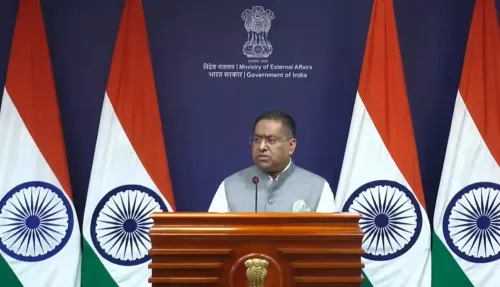
MEA spokesperson Randhir Jaiswal rejected international criticism — including from a US lawmaker — calling the legislation an internal affair of India.
The 2020 FCRA amendments faced similar opposition and were challenged in the Supreme Court , providing a precedent for the current controversy.
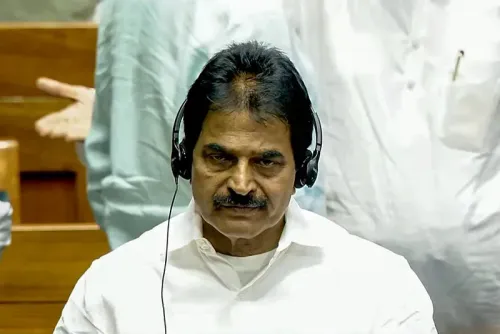
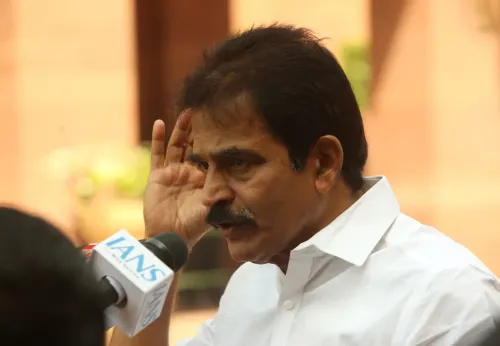
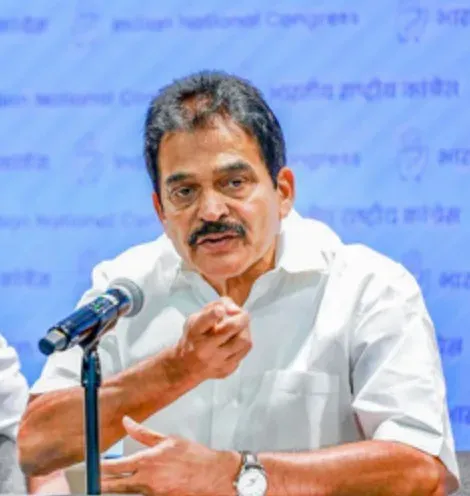
Congress leader K.C. Venugopal on Sunday, 9 August declared his party's firm opposition to the proposed Foreign Contribution (Regulation) Amendment Bill, 2026, calling it 'unconstitutional' and alleging it targets religious minorities. The Bill, which is yet to be tabled in Parliament, has already triggered a sharp political exchange between the ruling Bharatiya Janata Party (BJP) and the Congress.
What Congress Said
Speaking to reporters in New Delhi, Venugopal said the Union government's intent was 'very clear.' 'It (The FCRA Bill) is targeting minorities, because the Union government's motive is very clear. We are not going to allow this type of anti-constitutional bill to be passed. This is what our stance is,' he said. The Congress has positioned itself as the primary voice of opposition against the legislation, framing it as an assault on minority communities and constitutional rights.
BJP's Countercharge
BJP spokesperson R.P. Singh swiftly pushed back, accusing the Congress of opposing the Bill to facilitate religious conversions and serve foreign interests. 'Why is Congress opposing the FCRA Bill? Because they want to change the country's demography. They want religious conversions to take place in our country, and that is why they are opposing it. In reality, they want to work with foreign forces to change the country's demography and do politics,' Singh said. He further urged the Opposition to prioritise national interest over political posturing, calling for debate and passage of several pending Bills — including the FCRA Bill, a judges-related Bill, and the Delimitation and women's reservation Bill.
India Pushes Back on International Criticism
The political row comes amid international scrutiny of the proposed legislation. India on Friday formally rejected comments from a section of the international community — including a US lawmaker — on the FCRA Amendment Bill, asserting that legislative matters are internal affairs decided solely by Parliament. Ministry of External Affairs (MEA) spokesperson Randhir Jaiswal, addressing a bi-weekly media briefing in New Delhi, said: 'Legislative matters concerning India are our internal affairs on which decisions are taken by the Parliament of our country. I would also like to point out that there are several nations, including the United States, which regulate the flow of foreign funds.' The MEA's statement signals that New Delhi intends to insulate the legislative process from external pressure.
Context and What's at Stake
The Foreign Contribution (Regulation) Act governs how foreign funds flow to Indian civil society organisations, NGOs, and religious bodies. Critics, including opposition parties and rights groups, have long argued that FCRA regulations are selectively enforced to curb dissent. This is not the first time amendments to the Act have drawn controversy — the 2020 FCRA amendments faced similar pushback and were challenged in the Supreme Court. The 2026 Bill's tabling in Parliament, once it occurs, is expected to trigger a prolonged floor debate. With the Opposition already mobilised and international voices weighing in, the government will face pressure to justify each provision in detail.
Point of View
The BJP's framing of Congress opposition as demographic manipulation is a high-stakes rhetorical escalation that shifts the debate from constitutional technicalities to identity politics. What is missing from both sides is a clause-by-clause public defence or critique of the Bill itself — a gap that will become harder to sustain once the legislation is actually tabled. The 2020 amendments showed that FCRA changes survive legal challenge but generate lasting institutional distrust; the 2026 version will need to clear a higher bar of public justification to avoid the same fate.
NationPress
23 Sept 2026
Frequently Asked Questions
What is the FCRA Amendment Bill 2026?
The Foreign Contribution (Regulation) Amendment Bill 2026 is a proposed piece of legislation that seeks to amend the existing FCRA, which governs the flow of foreign funds to Indian organisations and NGOs. The Bill had not been tabled in Parliament as of 9 August 2026 but has already drawn strong opposition from the Congress and scrutiny from international observers.
Why is Congress opposing the FCRA Bill?
Congress MP K.C. Venugopal has called the Bill 'unconstitutional', alleging that it targets religious minorities and that the Union government's intent is to suppress minority communities. The party has said it will not allow the Bill to be passed in its current form.
What did the BJP say about Congress's opposition?
BJP spokesperson R.P. Singh accused Congress of opposing the Bill because the party allegedly wants to facilitate religious conversions and work with foreign forces to change India's demographic composition. He urged the Opposition to prioritise national interest and support passage of several pending Bills.
How did India respond to international criticism of the FCRA Bill?
The Ministry of External Affairs, through spokesperson Randhir Jaiswal, formally rejected comments from international figures — including a US lawmaker — calling the FCRA Bill an internal legislative matter for India's Parliament to decide. Jaiswal also noted that many countries, including the United States, regulate foreign funding flows.
How does the 2026 Bill compare to the 2020 FCRA amendments?
The 2020 FCRA amendments faced similar opposition from civil society and the Congress, and were subsequently challenged in the Supreme Court. The 2026 Bill is following a comparable pattern of pre-tabling controversy, suggesting the government may face both parliamentary and legal scrutiny once the legislation is formally introduced.