FCRA Bill 2026 sent to JPC: BJP cites consultation, Opposition calls it minority attack

Synopsis
The FCRA Amendment Bill 2026 has been sent to a Joint Parliamentary Committee — but the referral has done little to cool the political temperature. The BJP calls it a refinement exercise; the Opposition calls it a systematic squeeze on minority-run NGOs. With Mother Teresa's Missionaries of Charity invoked on the floor and allegations of an RSS funding angle flying, this is shaping up as one of the sharpest civil-society battles of the current parliamentary session.
Key Takeaways
The Lok Sabha referred the Foreign Contribution (Regulation) Amendment Bill, 2026 to a Joint Parliamentary Committee (JPC) on 12 August 2026 .
BJP MP Tejasvi Surya said the JPC referral is aimed at broader stakeholder consultation and making the Bill more comprehensive.
TMC MP Mahua Moitra alleged the Bill is designed to choke funds for NGOs linked to Christian and Muslim communities while leaving the unregistered RSS unscrutinised.
Congress MP Hibi Eden called it an 'organised attack against minorities,' citing the role of minority NGOs in tribal and Naxal-affected areas.
CPI-M leader Hannan Mollah said the Centre was forced to refer the Bill to the JPC under pressure, and flagged what he described as basic legislative flaws.
The JPC's report timeline has not been announced; the committee is expected to consult experts and stakeholders before finalising its recommendations.
The Foreign Contribution (Regulation) Amendment Bill, 2026, was referred to a Joint Parliamentary Committee (JPC) by the Lok Sabha on 12 August 2026, amid a sharp political clash between the ruling Bharatiya Janata Party (BJP) and the Opposition. While the BJP framed the referral as a move toward broader stakeholder consultation, Opposition parties alleged the Bill amounts to an organised assault on minority communities and civil society organisations.
BJP's Stand: Broader Consultation, Stronger Bill
BJP MP Tejasvi Surya said the referral to the JPC was intended to make the legislation "more robust and refined." He stated that the exercise would allow more stakeholders to be consulted and greater consensus to be built before the Bill is finalised. BJP MP Naveen Jain described the FCRA Bill as the "country's demand," arguing that the government has a right to know whether foreign donations are being channelled toward anti-national activities.
Jain asserted that the Bill does not harm any legitimate interest and urged political leaders not to view it "through the prism of vote-bank politics." BJP leader Pratul Shahdeo separately alleged that without adequate checks and balances, foreign funds could be misused by anti-national forces, and claimed that a section of Christian missionaries had faced accusations of using such funds for religious conversion.
Opposition Pushback: 'Choking Funds for Minorities'
Trinamool Congress (TMC) MP Mahua Moitra, addressing reporters outside Parliament House, alleged that the Bill was designed to ensure funding flows only to the Rashtriya Swayamsevak Sangh (RSS), which she described as an unregistered entity with large properties not subject to audit or scrutiny. She claimed the amendment would "choke funds" for every NGO and charitable organisation associated with Christian and Muslim communities.
Congress MP Hibi Eden called the Bill "an organised attack against the minorities of this country," pointing to the role of minority-run NGOs in education and healthcare delivery in tribal and Naxal-affected regions. He specifically referenced the Missionaries of Charity, founded by Mother Teresa, as an example of organisations that rely on foreign contributions for social work.
Left and Congress Add Their Voices
CPI-M leader Hannan Mollah said the Centre had been forced to "take a step back under pressure" by referring the Bill to the JPC, and maintained that the Opposition's objections were rooted in "basic flaws" in the legislation. He alleged the move was part of a broader pattern targeting Muslim and Christian institutions, framing it as consistent with what he described as an RSS-driven agenda.
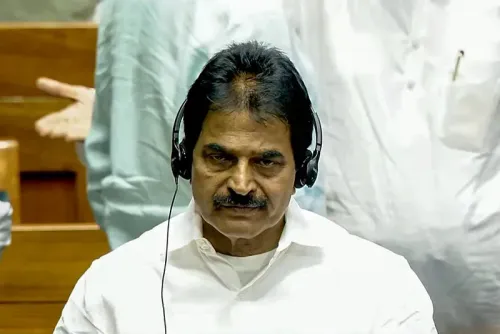
Congress MP K.C. Venugopal noted that the government had chosen to send the Bill to the JPC rather than push it through amid the parliamentary din — a concession, he implied, to the scale of Opposition resistance.
Context and What Comes Next
The FCRA governs how Indian organisations receive and utilise foreign funds, and has been amended multiple times since its original enactment. The 2020 FCRA amendment had already drawn criticism from civil society groups and international human rights bodies for tightening restrictions on NGO funding. The 2026 Bill, critics argue, goes further.
The JPC referral means the Bill will now undergo parliamentary scrutiny involving members from both the ruling coalition and the Opposition, with the committee expected to invite expert testimony and stakeholder submissions. The timeline for the JPC's report has not yet been announced. How the committee navigates the sharp political divide on the Bill's intent and scope will determine whether a consensus version emerges before the next legislative session.
Point of View
The JPC process risks becoming another procedural buffer rather than a genuine accountability exercise.
NationPress
27 Sept 2026
Frequently Asked Questions
What is the FCRA Amendment Bill 2026?
The Foreign Contribution (Regulation) Amendment Bill, 2026 proposes changes to the law governing how Indian organisations receive and use foreign funds. It was referred to a Joint Parliamentary Committee by the Lok Sabha on 12 August 2026 amid significant Opposition resistance. Critics argue it could restrict funding for minority-run NGOs, while the government says it strengthens oversight against misuse.
Why was the FCRA Bill sent to a JPC instead of being passed directly?
The Lok Sabha accepted the government's resolution to refer the Bill to a Joint Parliamentary Committee amid massive uproar from Opposition members. The BJP says the referral is meant to enable broader stakeholder and expert consultation. Opposition leaders, including Congress MP K.C. Venugopal, interpreted it as the government backing down from pushing the Bill through amid the parliamentary din.
What are the Opposition's specific objections to the FCRA Bill 2026?
Opposition parties allege the Bill is designed to choke foreign funding for NGOs linked to Christian and Muslim communities. TMC MP Mahua Moitra claimed it would benefit the RSS — which she described as an unregistered, unaudited entity — while Congress MP Hibi Eden called it an 'organised attack against minorities,' citing the work of organisations like the Missionaries of Charity in underserved regions.
What does the BJP say in defence of the FCRA Bill?
BJP leaders argue the Bill is in the national interest, ensuring the government can monitor whether foreign donations are being used by anti-national elements. BJP MP Naveen Jain said it does not harm legitimate interests and should not be seen through a vote-bank lens. BJP leader Pratul Shahdeo warned that without checks, foreign funds could be misused by anti-national forces.
What happens next with the FCRA Bill 2026?
The Bill will now be examined by a Joint Parliamentary Committee, which is expected to invite expert testimony and stakeholder submissions from civil society, religious organisations, and government officials. The JPC has not yet announced a timeline for its report. Its recommendations will shape the final version of the Bill before it returns to Parliament for a vote.