FCRA Amendment Bill 2026 sent to JPC amid Opposition uproar in Lok Sabha
Synopsis
The FCRA Amendment Bill 2026 has been sent to a Joint Parliamentary Committee — a move the government used to deflect Opposition heat, even as Congress and the Samajwadi Party accused it of targeting minority NGOs. With 31 MPs on the panel and a Winter Session deadline, the real fight over foreign-funding rules has only just begun.
Key Takeaways
The Lok Sabha adopted a resolution on 12 August 2026 to refer the Foreign Contribution (Regulation) Amendment Bill, 2026 to a Joint Parliamentary Committee (JPC) .
The JPC will have 21 Lok Sabha members and 10 Rajya Sabha members , with a report due by the first week of Winter Session 2026 .
Union MoS Home Affairs Nityanand Rai moved the motion; Parliamentary Affairs Minister Kiren Rijiju defended the Bill as a national security measure, not a minority-targeting law.
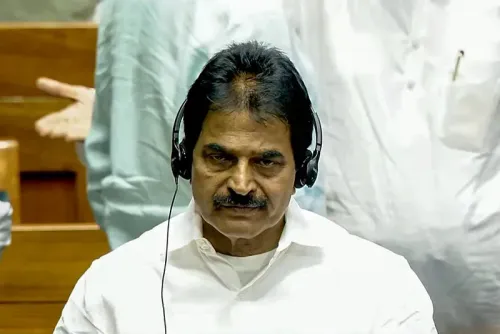
Congress leader K.C.
Venugopal demanded full withdrawal, while SP chief Akhilesh Yadav accused the government of consistently legislating against minorities.
The resolution was passed by a voice vote amid Opposition sloganeering; the House was subsequently adjourned until 3 pm .
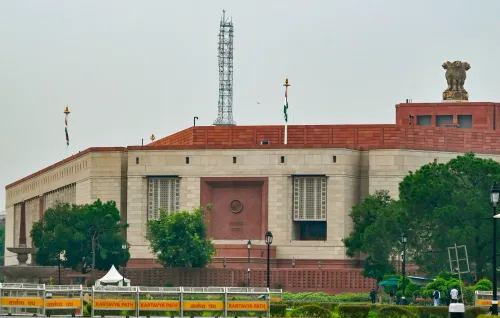
The Lok Sabha on Wednesday, 12 August 2026 adopted a resolution to refer the Foreign Contribution (Regulation) Amendment Bill, 2026 to a Joint Parliamentary Committee (JPC), even as Opposition members staged a fierce protest on the floor of the House. The motion was passed by a voice vote amid relentless sloganeering, after which the House was adjourned until 3 pm.
Structure of the Joint Parliamentary Committee
The JPC will comprise 21 members from the Lok Sabha and 10 members from the Rajya Sabha. According to the resolution listed in the supplementary list of business, the committee is mandated to submit its report by the last day of the first week of the Winter Session 2026. The resolution also calls on the Rajya Sabha to nominate its members to the joint panel and communicate those names to the Lok Sabha.
Who moved the motion
Union Minister of State for Home Affairs Nityanand Rai moved the motion to refer the Bill to the JPC. Union Parliamentary Affairs Minister Kiren Rijiju backed the referral, arguing that the Bill is aimed solely at ensuring national security and does not target any community. Rijiju also noted that the Opposition itself had earlier demanded the Bill be sent to a JPC — a point he used to blunt their criticism during the debate.
Opposition arguments
Congress leader K.C. Venugopal demanded the complete withdrawal of the Bill, contending that it is designed to target non-governmental organisations and minority institutions. Samajwadi Party chief Akhilesh Yadav went further, asserting that 'there isn't a single Bill which the government brought and was not only focused on minorities.'
Rijiju directly countered Yadav, stating that the country is not a 'banana republic' and is governed by the Constitution, and that 'there is no provision in the Bill that targets the minorities.'
Why this matters
The Foreign Contribution (Regulation) Act governs how NGOs, civil society organisations, and religious bodies receive foreign funding. Amendments to the law have historically drawn scrutiny from rights groups and minority institutions, who argue that successive tightening of FCRA norms has chilled legitimate civil society activity. This is the latest in a series of legislative moves on foreign funding regulation that have generated sharp parliamentary contestation. Notably, the Opposition's demand for a JPC referral — now granted — means the debate over the Bill's scope and intent will continue through the committee process before any final vote.
What happens next
The JPC will now begin deliberations, with stakeholder consultations expected before the Winter Session 2026. The committee's report will set the stage for the Bill's return to both Houses. Civil society groups and minority organisations are likely to seek representation before the panel to place their concerns on record.
Point of View
In its current form, lacked the political consensus needed for a clean passage. The minority-targeting charge is not new: successive FCRA amendments since 2010 have drawn the same criticism, and the committee process will test whether the government can produce a version that separates genuine security concerns from regulatory overreach. What mainstream coverage underplays is that the JPC route also gives civil society a formal avenue — and a deadline — to put evidence on the record before the Winter Session.
NationPress
26 Sept 2026
Frequently Asked Questions
What is the Foreign Contribution (Regulation) Amendment Bill, 2026?
It is a proposed amendment to the Foreign Contribution (Regulation) Act, which governs how Indian NGOs, civil society groups, and religious organisations receive foreign funding. The Bill has been referred to a Joint Parliamentary Committee for scrutiny before it can be voted on by both Houses.
Why did the Opposition protest the FCRA Amendment Bill?
Congress leader K.C. Venugopal and SP chief Akhilesh Yadav argued the Bill is designed to target NGOs and minority institutions. The Opposition demanded complete withdrawal of the Bill, though the government denied any such intent, stating the legislation is focused on national security.
What is the composition of the JPC formed for the FCRA Bill?
The Joint Parliamentary Committee will consist of 21 Lok Sabha members and 10 Rajya Sabha members — a total of 31 parliamentarians. The Rajya Sabha has been asked to nominate its members and communicate the names to the Lok Sabha.
When must the JPC submit its report?
The committee is required to present its report by the last day of the first week of the Winter Session 2026, setting a firm legislative deadline for its deliberations.
How was the motion to refer the FCRA Bill to the JPC passed?
The resolution was adopted in the Lok Sabha by a voice vote amid continuous Opposition sloganeering. The House was subsequently adjourned until 3 pm on 12 August 2026.