FCRA Bill 2026 sent to JPC: Congress demands withdrawal, slams govt
Synopsis
The government blinked — or strategised. Rather than forcing the FCRA Amendment Bill 2026 through a chaotic Lok Sabha on the session's penultimate day, it sent the legislation to a 31-member JPC. Congress says that changes nothing: the Bill must be withdrawn entirely. The committee's Winter Session deadline means the political fight over foreign funding rules for NGOs and minority organisations is far from over.
Key Takeaways
The Lok Sabha accepted the resolution to refer the FCRA Amendment Bill, 2026 to a JPC on 12 August 2026 .
Union MoS for Home Affairs Nityanand Rai moved the motion; Home Minister Amit Shah was absent.
The JPC will have 21 Lok Sabha and 10 Rajya Sabha members and must report by the first week of Winter Session 2026 .
Venugopal demanded full withdrawal of the Bill, alleging it targets minorities and social-sector NGOs.
Opposition received notice of the Bill's introduction only at 12 noon on the day of referral — the session's second-to-last day.
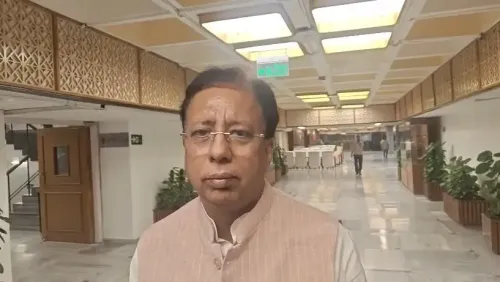
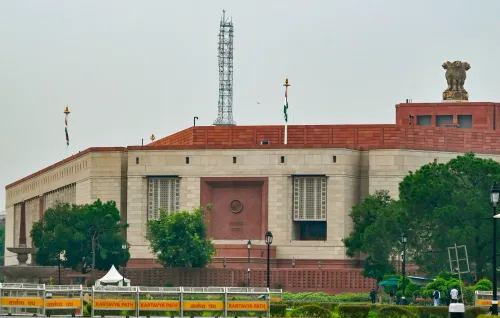
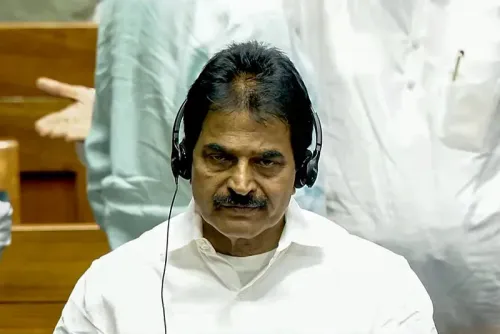
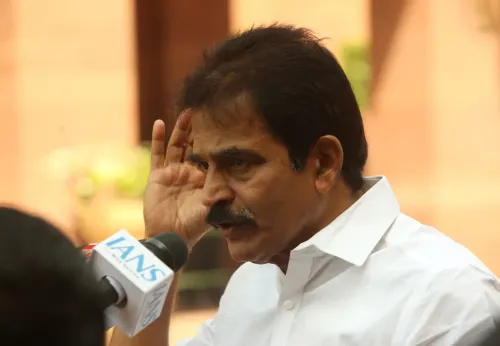
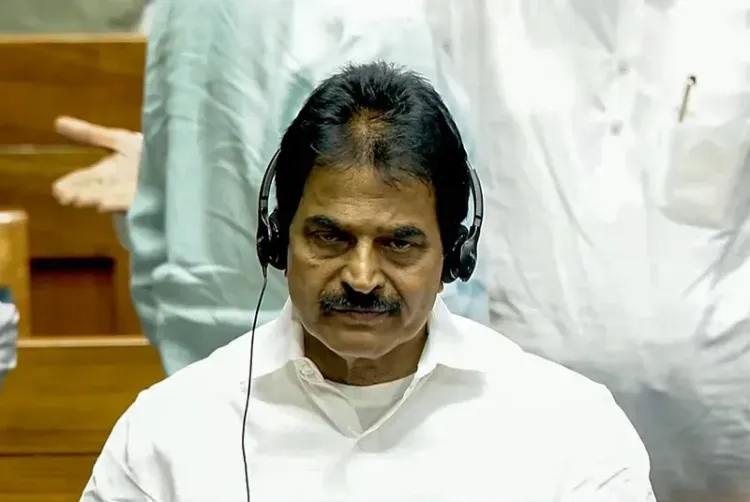
The Lok Sabha on Wednesday, 12 August 2026, accepted the Central government's resolution to refer the Foreign Contribution (Regulation) Amendment Bill, 2026, to a Joint Parliamentary Committee (JPC), amid intense Opposition uproar. Congress MP K.C. Venugopal immediately stepped outside Parliament to assert that the party's demand remained a full withdrawal of the FCRA Bill — not a referral.
How the Referral Unfolded
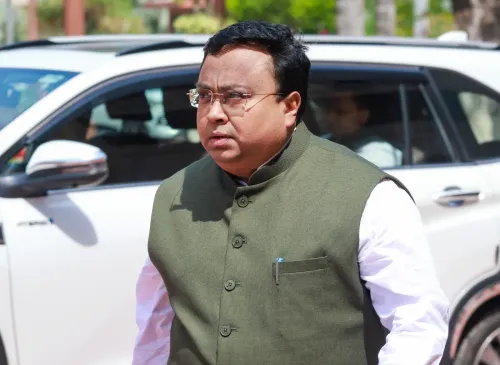
The resolution was moved by Union Minister of State for Home Affairs Nityanand Rai, notably in the absence of Home Minister Amit Shah, who had originally been listed to pilot the Bill. Venugopal pointed to the timing as telling: the Opposition had received word from the Lok Sabha Secretariat only at 12 noon on Wednesday that Shah would move the Bill — the same day the session was set to conclude on Thursday.
'This Bill has been brought at the last minute. The session is going to end tomorrow. Today, at 12 noon, we received a message from the Lok Sabha Secretariat that (Home Minister) Amit Shah would move this Bill. However, Amit Shah is also absent today. The Minister of State moved the resolution to send it to the JPC. Instead of bulldozing the Bill amid the din, they are sending it to the JPC,' Venugopal told reporters.
Congress's Core Objection
The Congress MP was unambiguous that a JPC referral did not satisfy the Opposition's position. 'Our demand is that the Bill should be withdrawn. So, what is the purpose of passing this Bill? On one hand, the RSS is receiving donations from all over the world through registration, while on the other hand, you are targeting minorities and organisations doing good work in the fields of health and education. This is not acceptable,' Venugopal said.
The charge — that the FCRA amendment selectively burdens civil society groups in minority communities and the social sector while leaving certain organisations untouched — is likely to frame the Opposition's submissions before the JPC.
Composition and Mandate of the JPC
The JPC will comprise 21 Lok Sabha members and 10 Rajya Sabha members. Per the resolution text, the committee is required to submit its report to the Lok Sabha by the last day of the first week of the Winter Session 2026. The committee will operate under existing rules of procedure, with the Speaker empowered to make variations as needed. The Rajya Sabha has been recommended to nominate its members to the joint panel.
Why the FCRA Amendment Is Contested
The Foreign Contribution (Regulation) Act governs how Indian organisations receive overseas funds. Amendments to the Act have historically drawn scrutiny from civil society groups, international donors, and Opposition parties who argue the law has been used to restrict legitimate NGO activity. This is the latest in a series of legislative moves touching the FCRA framework, making the JPC's eventual report politically consequential ahead of state elections.
What Happens Next
With the current session ending Thursday, the JPC will begin its work in the inter-session period. Stakeholders — including NGOs, minority bodies, and religious organisations — are expected to depose before the committee. The Winter Session 2026 deadline gives the panel several months, but the political temperature around the Bill is unlikely to cool.
Point of View
Not a concession — it buys time while keeping the legislation alive. The Opposition's framing, that the amendment selectively targets minorities and civil society while leaving certain religious bodies untouched, is a charge the government has not yet answered on the record. The JPC process will force that reckoning, but only if the committee hears from a genuinely diverse set of stakeholders. Past JPC exercises on contentious legislation have sometimes functioned as pressure-release valves rather than substantive review mechanisms. Whether this one is different will depend on who gets to depose and whether dissent notes are taken seriously.
NationPress
26 Sept 2026
Frequently Asked Questions
What is the FCRA Amendment Bill 2026?
The Foreign Contribution (Regulation) Amendment Bill, 2026, is a proposed law to amend the existing FCRA framework that governs how Indian organisations receive overseas funds. It was referred to a Joint Parliamentary Committee by the Lok Sabha on 12 August 2026 amid Opposition protests.
Why did Congress oppose the FCRA Amendment Bill?
Congress MP K.C. Venugopal argued the Bill targets minorities and organisations working in health and education, while leaving bodies like the RSS — which he claimed receive international donations — unaffected. The party demanded the Bill be withdrawn entirely rather than sent to a JPC.
What is the composition of the JPC formed to review the FCRA Bill?
The Joint Parliamentary Committee will consist of 21 Lok Sabha members and 10 Rajya Sabha members, totalling 31 parliamentarians. It is required to submit its report by the last day of the first week of the Winter Session 2026.
Why was the FCRA Bill moved by a Minister of State instead of Amit Shah?
Home Minister Amit Shah, who was originally listed to move the FCRA Bill, was absent from the Lok Sabha on 12 August 2026. Union Minister of State for Home Affairs Nityanand Rai moved the resolution in his place.
When will the JPC submit its report on the FCRA Amendment Bill?
The JPC is mandated to present its report to the Lok Sabha by the last day of the first week of the Winter Session 2026, giving the committee several months to review the Bill and hear stakeholders.