FCRA Amendment Bill JPC: BJP's Sanjay Jaiswal to chair 31-member panel
Synopsis
Parliament has formed a 31-member JPC to scrutinise the FCRA Amendment Bill 2026, with BJP's Sanjay Jaiswal at the helm. The Bill was referred to the committee on 12 August amid fierce opposition protests over alleged discrimination against minorities and NGOs — and the JPC's recommendations will now shape whether, and in what form, the legislation clears Parliament.
Key Takeaways
A 31-member JPC has been constituted to examine the Foreign Contribution (Regulation) Amendment Bill, 2026 .
Sanjay Jaiswal , BJP MP from Bettiah, Bihar , has been named Chairperson of the panel.
The committee comprises 21 Lok Sabha and 10 Rajya Sabha members, constituted by Speaker Om Birla .
The BJP holds 14 seats on the panel; Congress holds five ; JD-U, TMC, and DMK have two each .
The Bill was referred to the JPC on 12 August amid opposition protests over alleged adverse impact on minorities and NGOs.
The government has denied any discriminatory provisions and challenged critics to identify a specific offending clause.
A 31-member Joint Committee of Parliament (JPC) has been constituted to scrutinise the proposed Foreign Contribution (Regulation) Amendment Bill, 2026, marking the next formal stage of legislative review for one of Parliament's more contested pieces of legislation. The panel was announced through a Lok Sabha bulletin issued on Thursday, 3 September.
Panel Composition and Leadership
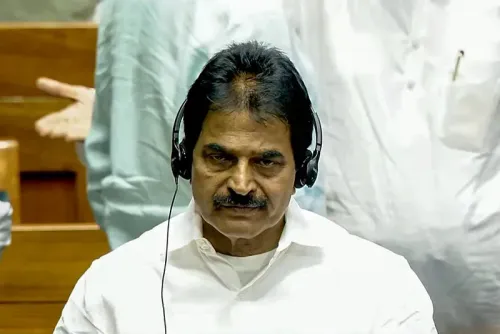
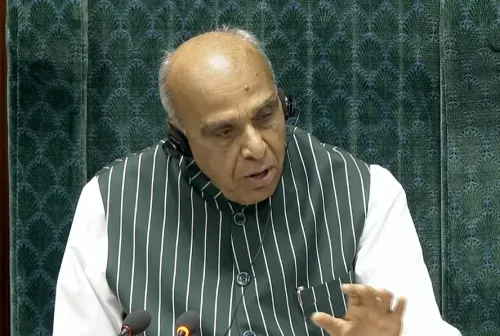
Sanjay Jaiswal, Bharatiya Janata Party (BJP) Member of Parliament from Bihar's Bettiah constituency, has been appointed Chairperson of the joint parliamentary panel. The committee was constituted by Lok Sabha Speaker Om Birla and draws 21 members from the Lok Sabha and 10 from the Rajya Sabha.
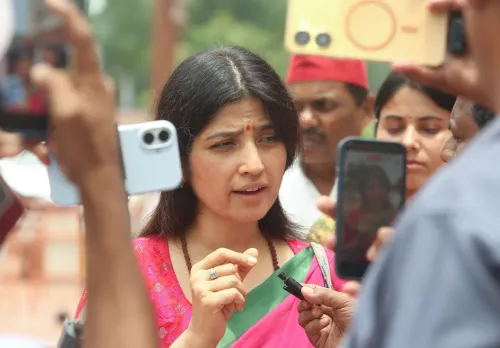
The BJP holds the largest bloc within the panel with 14 members, followed by the Indian National Congress (Congress) with five members. Janata Dal-United, All India Trinamool Congress (TMC), and Dravida Munnetra Kazhagam (DMK) have two members each. The Samajwadi Party, Indian Union Muslim League, Shiv Sena, Nationalist Congress Party-Sharadchandra Pawar, Nationalist Congress Party, and Telugu Desam Party have one member each.
Key Members Named to the Committee
BJP members from the Lok Sabha include Bhartruhari Mahtab, Tejasvi Surya, Kamlesh Jangde, Mukeshkumar Chandrakaant Dalal, Nishikant Dubey, Vishnu Dayal Ram, Ananta Nayak, and Arvind Dharmapuri.
Congress is represented by Anto Antony, Captain Viriato Fernandes, Muhammed Hamdullah Sayeed, and Kali Charan Munda, among others.
Background: A Bill That Sparked Protests
The Bill was referred to the joint committee on 12 August amid sharp opposition protests on the floor of Parliament. Opposition parties alleged that the proposed amendments could adversely affect minorities and non-governmental organisations (NGOs), and several parties demanded outright withdrawal of the legislation.
The government rejected those allegations, asserting that the amendments carry no discriminatory provisions against minorities. It further challenged opposition parties to identify any specific clause that amounted to such discrimination — a challenge that, notably, kept the political debate focused on the text of the Bill rather than its broader intent.
What the JPC Is Mandated to Do
The committee has been tasked with examining the provisions of the proposed FCRA amendment in detail and considering revisions before the Bill proceeds further through Parliament. JPCs of this nature typically hold multiple rounds of consultations with stakeholders — including civil society groups, legal experts, and government officials — before submitting their report to the House.
This comes amid a broader pattern of the government using the JPC route for sensitive legislation, allowing a structured deliberative process while deferring a floor vote. The outcome of the panel's review will determine the shape of the final Bill presented to Parliament.
Point of View
Dilutes floor confrontation, and gives the government a structured forum to counter opposition narratives. With 14 of 31 seats, the BJP commands a working majority on the panel, which means the committee's final report is unlikely to recommend fundamental changes to the Bill's architecture. The real question is whether the JPC process gives minority groups and NGOs a credible hearing, or whether it functions as a procedural buffer that smooths the Bill's passage without substantively addressing the concerns that triggered protests in the first place. Parliament's track record with JPCs on contentious legislation is mixed at best.
NationPress
19 Oct 2026
Frequently Asked Questions
What is the FCRA Amendment Bill 2026?
The Foreign Contribution (Regulation) Amendment Bill, 2026 proposes changes to the existing law that governs how foreign funds can be received and used by individuals and organisations in India. Opposition parties have alleged the amendments could adversely affect minorities and NGOs, while the government has denied any discriminatory intent.
Who is chairing the JPC on the FCRA Amendment Bill?
BJP MP Sanjay Jaiswal from Bihar's Bettiah constituency has been appointed Chairperson of the 31-member Joint Committee of Parliament. The panel was constituted by Lok Sabha Speaker Om Birla.
How many members does the JPC have and how are they distributed?
The JPC has 31 members — 21 from the Lok Sabha and 10 from the Rajya Sabha. The BJP holds 14 seats, Congress holds five, and parties including JD-U, TMC, and DMK hold two seats each.
Why did opposition parties protest the FCRA Amendment Bill?
Opposition parties alleged that the proposed amendments could adversely affect minorities and non-governmental organisations. Several parties demanded the Bill be withdrawn entirely. The government rejected these allegations and challenged critics to identify any specific discriminatory provision.
What happens after the JPC submits its report?
Once the joint committee completes its examination — including stakeholder consultations with civil society, legal experts, and officials — it will submit a report with recommendations to Parliament. The Bill will then proceed further through the legislative process based on those findings.