Congress writes to PM Modi over new FCRA rules, demands immediate withdrawal
Synopsis
Congress has fired a direct letter at PM Modi over freshly notified FCRA amendments, calling them draconian and accusing the government of pushing sweeping NGO surveillance through the back door — after a Lok Sabha attempt in March 2026 reportedly failed. The demand for immediate withdrawal puts the Home Ministry's latest regulatory move squarely in the political crosshairs.
Key Takeaways
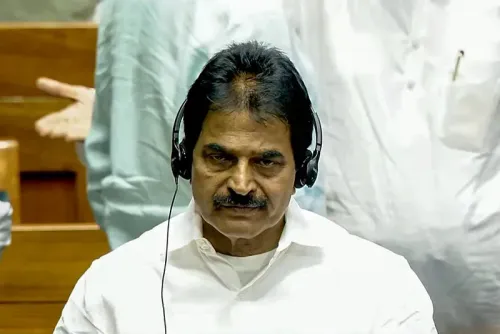
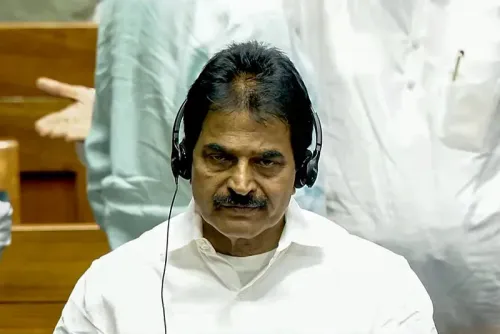
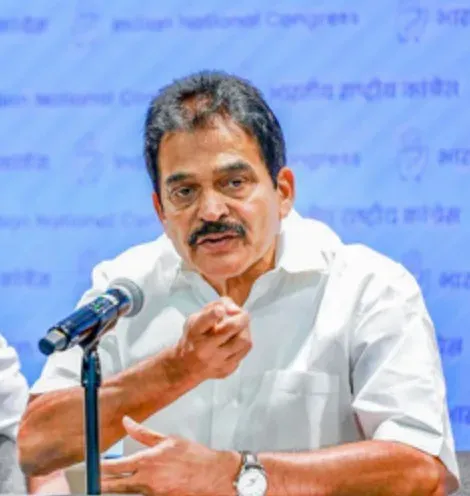
Congress General Secretary K.C.
Venugopal wrote to PM Narendra Modi on 25 June demanding immediate withdrawal of new FCRA amendment rules.
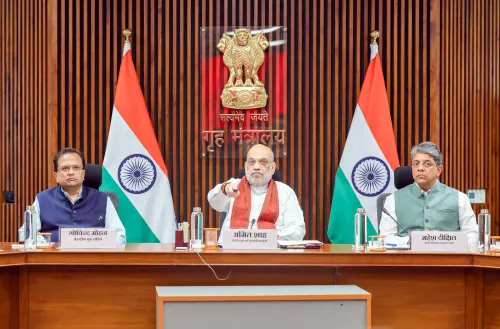
The Union Home Ministry recently notified the rules, which require NGOs to disclose social media accounts and areas of operation, and introduce stricter financial penalties.
Congress called the amendments “draconian,” warning they would “stifle” the autonomy of NGOs, especially those run by minority communities .
Venugopal alleged the move follows a failed Lok Sabha amendment attempt in March 2026 and amounts to legislating “through the back door.” He cited “cancellation of thousands of licences” under FCRA in recent years, affecting healthcare, education, and livelihood programmes for millions.
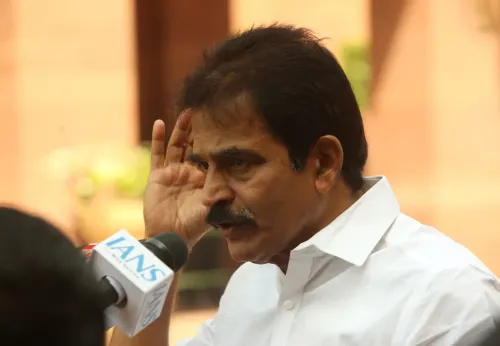
Congress General Secretary K.C. Venugopal wrote to Prime Minister Narendra Modi on Thursday, 25 June, registering the party's “vehement objection” to the newly notified Foreign Contribution Regulation Amendment (FCRA) rules and demanding their withdrawal with immediate effect. The letter marks the Opposition's sharpest public pushback yet against the Union Home Ministry's latest tightening of foreign-funding regulations for civil society organisations.
What the New FCRA Rules Require
The Union Home Ministry recently notified the amended FCRA rules, which tighten the framework governing foreign funding received by non-governmental organisations (NGOs). The revised norms mandate greater disclosure from registered organisations, including details of their social media accounts and specific areas of operation. They also introduce stricter financial penalties and, according to Congress, vest the government with powers to seize properties of institutions whose licences are cancelled or have expired.
What Congress Argued
Venugopal, in his letter, described the amendments as “draconian” and warned they would “stifle” the autonomy of NGOs, particularly those run by minority community members. He argued that the mandatory disclosure of social media accounts amounted to “creeping surveillance” and that harsh financial punishments were designed to “monetarily cripple” smaller organisations.
The Congress leader also pointed to what he called a pattern of executive overreach. “After the failed attempt to introduce an Amendment to the FCRA in March 2026 in the Lok Sabha, the government is yet again trying to bring in amendments that give it powers to seize properties of institutions whose licences are cancelled/expired,” he wrote, adding that it was “shocking” to see such legislation “being pushed through the back door.”
The Broader Impact on Civil Society
“The relentless weaponisation of FCRA over the past few years has already led to cancellation of thousands of licences, depriving millions of Indians of crucial aid in healthcare, education and livelihood generation,” Venugopal stated in the letter. He urged the Prime Minister to recognise that “a vibrant democracy requires an independent and empowered civil society and not a subjugated one.”
This comes amid a broader pattern of FCRA scrutiny that has seen the government cancel licences of prominent NGOs in recent years, drawing criticism from civil liberties groups and international observers. Critics argue the law has increasingly been used as a tool to restrict organisations critical of government policy.
What Happens Next
The government has not yet responded publicly to the Congress letter. The Indian National Congress (INC) has demanded the immediate rollback of the new rules. With the amendments already notified, a formal withdrawal would require the Home Ministry to issue a fresh notification — a step the ruling Bharatiya Janata Party (BJP) government has given no indication of taking. Civil society groups are expected to mount further legal and political pressure in the coming days.
Point of View
Particularly minority-run organisations, ahead of a contested political cycle. What mainstream coverage underplays is the procedural angle: the Home Ministry notified these rules after a Lok Sabha amendment reportedly failed in March 2026, which raises legitimate questions about the use of executive rule-making to circumvent parliamentary scrutiny. FCRA has now become a recurring flashpoint, with thousands of licences cancelled over the past decade and no independent audit of outcomes. Whether the new disclosure mandates serve genuine transparency or function as deterrents is a question the government has yet to answer publicly.
NationPress
24 Sept 2026
Frequently Asked Questions
What are the new FCRA rules that Congress is objecting to?
The Union Home Ministry recently notified amendments to the Foreign Contribution Regulation Act (FCRA) rules that require NGOs to disclose their social media accounts and areas of operation, introduce harsher financial penalties, and reportedly allow the government to seize properties of organisations whose licences are cancelled or expired.
Why has Congress demanded withdrawal of the FCRA amendments?
Congress General Secretary K.C. Venugopal, in a letter to PM Modi on 25 June, called the rules draconian and argued they would stifle NGO autonomy, enable surveillance of civil society through mandatory social media disclosures, and disproportionately harm minority-run organisations.
What was the failed FCRA amendment attempt in March 2026?
According to Venugopal's letter, the government attempted to introduce an amendment to the FCRA in the Lok Sabha in March 2026, which did not succeed. He alleged the newly notified rules are an attempt to achieve similar objectives through executive notification rather than parliamentary legislation.
How many NGO licences have been cancelled under FCRA?
Congress claims that thousands of FCRA licences have been cancelled in recent years, which it says has deprived millions of Indians of aid in healthcare, education, and livelihood generation. The government has not publicly contested this figure in response to the letter.
What happens next after Congress's letter to PM Modi?
The government has not yet publicly responded to the letter. A formal rollback would require the Home Ministry to issue a fresh notification rescinding the rules — a step the BJP government has not indicated it will take. Further political and legal pressure from civil society groups is expected.