CM Dhami: Women Are Uttarakhand's Greatest Strength
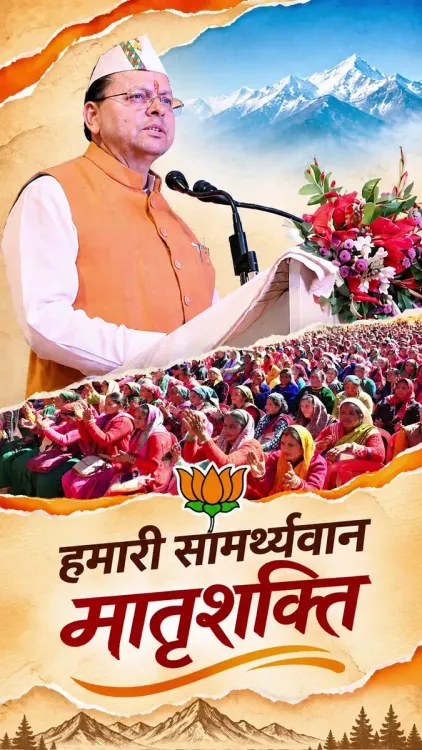
Synopsis
Uttarakhand CM Pushkar Singh Dhami declared on 19 November 2026 that women's strength, dedication, and resolve are the state's greatest asset, saying no vision of a developed Uttarakhand can succeed without matrishakti at its core.
Key Takeaways
CM Pushkar Singh Dhami posted on X on 19 November 2026 emphasising women's indispensable role in Uttarakhand's development.
He described matrishakti — women's collective strength — as the 'greatest power' of the state.
The statement aligns with India's Viksit Bharat@2047 framework, which centres inclusive, gender-participatory growth.
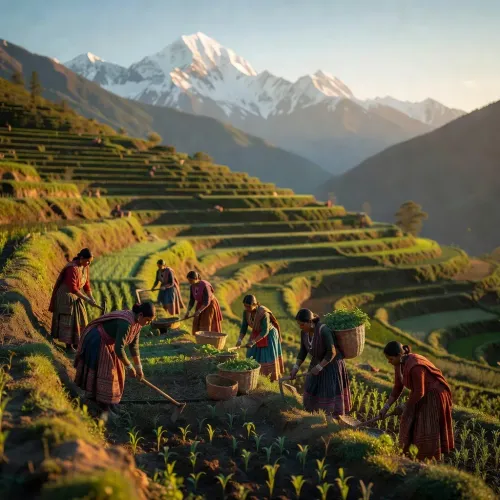
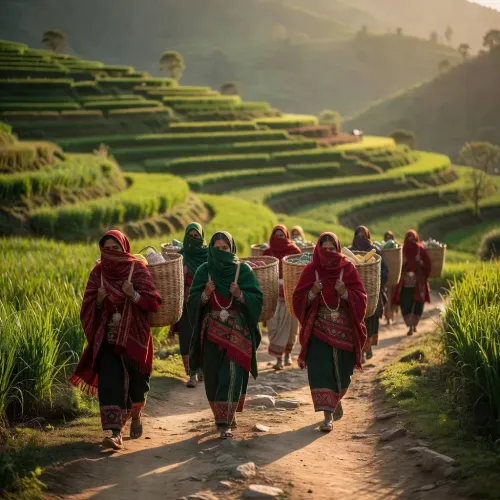
Uttarakhand's high male out-migration has historically placed women at the forefront of agriculture, local governance, and rural economies.
No new scheme or programme was announced; the post signals a political and developmental priority ahead of future planning cycles.
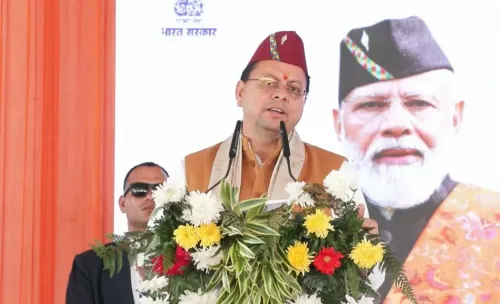
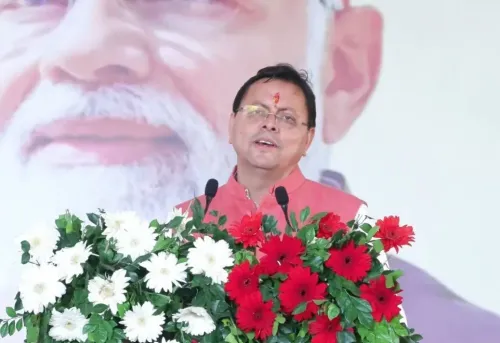
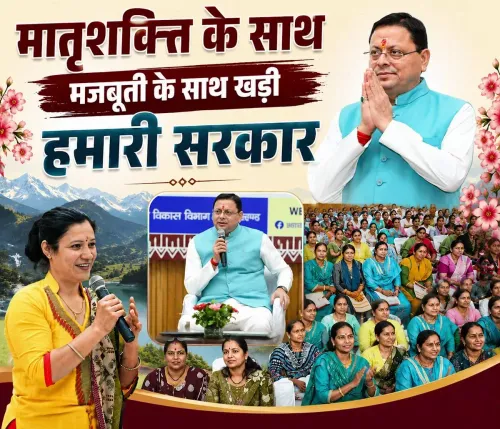
A developed Uttarakhand, says Chief Minister Pushkar Singh Dhami, is a dream that cannot be realised without the active participation of matrishakti — the power of women. In a post on X on Thursday, 19 November 2026, the BJP chief minister placed women at the very centre of the state's development vision, calling their dedication and resolve the single largest force driving Uttarakhand forward.
Dhami wrote: 'I firmly believe that the dream of a developed Uttarakhand cannot be realised without the active participation of matrishakti. I have always seen the strength, dedication, morale, and firm resolve of matrishakti as the greatest power of this state. From home and family to the construction of society and the state, women are playing a vital role in every field.'
Matrishakti at the Heart of Viksit Uttarakhand
The sentiment maps closely onto India's overarching Viksit Bharat@2047 framework, which explicitly calls for inclusive growth drawn from every section of society — with women identified as a primary driver. For Uttarakhand, a state carved out in 2000 and characterised by rugged mountain terrain, dispersed rural populations, and a historically high male out-migration rate, that framing carries concrete weight. Women in the state have long anchored agriculture, local governance bodies, and tourism-linked livelihoods in the absence of male members who migrate to plains cities for work.
Dhami has served as Chief Minister since March 2021 and has repeatedly invoked women's agency in public messaging — positioning matrishakti not as a beneficiary category but as an active builder of the state. Thursday's post reinforces that positioning, explicitly widening the frame from household to society to the state itself.
From Panchayats to Policy: Women's Role in Uttarakhand
Uttarakhand has historically recorded strong female representation in grassroots governance structures, and women's self-help groups have been a backbone of rural economies in districts like Chamoli, Pithoragarh, and Almora. The state's tourism and hospitality push, a central pillar of its economic strategy, has increasingly drawn on women entrepreneurs and homestay operators. Any follow-up budget allocations or state-level schemes aimed at formalising and scaling that participation will now be watched against the ambition Dhami articulated here.
The post carries no announcement of a specific programme or scheme — but as a signal of political priority ahead of planning cycles, it sets a clear expectation: women's participation is not an afterthought in Uttarakhand's development model. It is, by the Chief Minister's own framing, the foundation.
Point of View
The positioning has genuine structural logic behind it. What matters next is whether this stated priority translates into concrete budget lines or institutional mechanisms — the gap between political rhetoric and policy allocation in women's empowerment remains a persistent scrutiny point for opposition and civil society alike.
NationPress
19 Nov 2026
Frequently Asked Questions
What did Uttarakhand CM Pushkar Singh Dhami say about women?
CM Dhami said the dream of a developed Uttarakhand cannot be realised without the active participation of women (matrishakti), calling their strength, dedication, and resolve the greatest power of the state.
What is matrishakti in the context of Uttarakhand politics?
Matrishakti literally means 'the power of mothers' or women's collective strength. In Uttarakhand's political and policy discourse, it refers to women's contributions to family, society, and state-building, and is frequently invoked by CM Dhami to highlight women's central role in development.
What is the Viksit Uttarakhand vision?
Viksit Uttarakhand is a development vision for a prosperous, inclusive state, aligned with the national Viksit Bharat@2047 goal. It emphasises sustainable growth, infrastructure, and participation from all sections of society including women.
Why are women particularly important to Uttarakhand's economy?
Uttarakhand has a high rate of male out-migration to plains cities, leaving women as the primary workforce in agriculture, local governance, and rural livelihoods across hill districts — making their participation structurally critical to the state's economy.
Did CM Dhami announce any new scheme for women in this post?
No. The 19 November 2026 post articulated a political and developmental priority but did not announce any new scheme or budget allocation for women's empowerment in Uttarakhand.