Delhi CEO caps Form-7 objections at 10 per voter to curb bulk filings
Synopsis
Delhi's Chief Electoral Officer has put a hard cap on how many Form-7 deletion objections one voter can raise — 10 over the entire claims period, 5 a month during continuous updation. The move targets a pattern of bulk, unsubstantiated filings that were straining EROs and potentially harassing voters, with legal action under the Representation of the People Act threatened for false declarations.
Key Takeaways
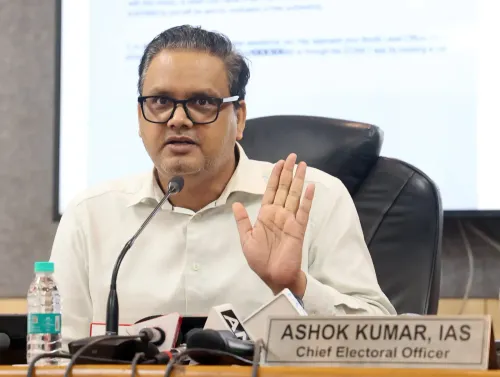
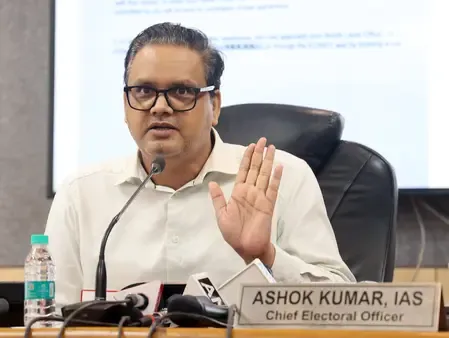
Delhi CEO Ashok Kumar on 9 October 2026 capped individual Form-7 filings at 10 per voter for the full claims-and-objections period.
During continuous electoral roll updation, the monthly cap is set at 5 Form-7 applications per individual voter.
The restriction covers both online and offline filing modes.
False or fabricated Form-7 applications may attract legal action under Section 31 of the Representation of the People Act, 1950 .
Booth Level Agents (BLAs) of recognised parties retain bulk-filing rights, capped at 50 forms per day before draft publication and 10 forms per day thereafter.
An ERO must personally cross-verify cases where the same individual is the objector in more than 5 applications .
Delhi Chief Electoral Officer Ashok Kumar on Friday, 9 October 2026, issued new guidelines capping the number of Form-7 applications an individual voter can file, aiming to prevent bulk, unsubstantiated objections that inconvenience targeted voters and overburden field-level election officials. The move follows reported instances of voters filing Form-7 deletions in bulk on frivolous grounds.
What the New Limits Say
Under the revised framework, an individual voter may file a maximum of 10 Form-7 applications across the entire claims-and-objections period. During the continuous updation of electoral rolls, the ceiling is tighter: no more than 5 Form-7 applications per month. The restriction applies to both online and offline modes of filing.
Why the CEO Stepped In
The CEO office stated that instances of bulk Form-7 filings on 'unsubstantiated grounds' had been brought to the notice of the Election Commission of India. Each Form-7 application requires examination by the Electoral Registration Officer (ERO) under the Registration of Electors Rules, 1960, making mass filings a significant administrative drag. Notably, existing provisions under the Manual on Electoral Rolls, 2023 (para 11.3.2(ii)) already discourage bulk claims sent by individuals, including those sent by post — the new caps bring clearer numerical enforcement to that principle.
Consequences for False Complaints
The CEO issued a firm caution against fabricated filings. According to the official statement, 'in case the Electoral Registration Officer (ERO) finds that the complaint is false/fabricated, he shall proceed to take action against the applicant who has knowingly made false statement or declaration in writing in the Form-7 as per the provisions of Section 31 of the Representation of the People Act, 1950.' A separate provision also mandates personal cross-verification by the ERO whenever the same individual appears as the objector in more than 5 cases.
What This Means for Political Party Agents
The restrictions are specific to individual voters. Recognised political parties retain bulk-filing rights through their Booth Level Agents (BLAs), subject to a separate cap: BLAs may submit no more than 50 forms per day to the Booth Level Officer before the draft electoral roll is published, and no more than 10 forms per day thereafter, as per rules already in place for the Special Intensive Revision (SIR) period.
Background and Context
Form-7 is the prescribed format under Rule 13(2) of the Registration of Electors Rules, 1960, used to object to the proposed inclusion of a name or to seek deletion of a name from the electoral roll of a constituency. Only voters already enrolled in that constituency's roll are eligible to file it. The abuse of Form-7 has periodically drawn scrutiny across states, with bulk deletions of voter names — particularly in urban constituencies — raising concerns ahead of assembly and general elections. This intervention by Delhi's CEO signals an effort to balance citizen participation in roll cleansing with protection against motivated, mass-scale challenges. Further operational guidelines from the Election Commission are expected as the next electoral roll revision cycle approaches.
Point of View
But it also shines a light on a systemic gap: for years, electoral roll cleansing has been vulnerable to organised misuse, where motivated actors file mass deletion requests to effectively disenfranchise rival voters. The legal deterrent under Section 31 of the Representation of the People Act has existed all along — the real question is whether EROs will now actually invoke it against false filers, or whether the threat remains largely on paper. The asymmetry between individual caps and the far more liberal BLA bulk-filing allowance also deserves scrutiny: party agents retain significant leverage to shape rolls, while individual civic participation is now numerically boxed in.
NationPress
10 Oct 2026
Frequently Asked Questions
What is Form-7 in the context of electoral rolls?
Form-7 is the official application form prescribed under Rule 13(2) of the Registration of Electors Rules, 1960, used to object to the inclusion of a name or to seek the deletion of a name from a constituency's electoral roll. Only voters already enrolled in that constituency are eligible to file it.
What are the new limits on filing Form-7 in Delhi?
Delhi's CEO has capped individual Form-7 filings at a maximum of 10 applications during the entire claims-and-objections period, and at 5 applications per month during the continuous updation of electoral rolls. The limits apply to both online and offline submissions.
What happens if someone files a false Form-7 objection?
If the Electoral Registration Officer finds a Form-7 complaint to be false or fabricated, the applicant can face legal action under Section 31 of the Representation of the People Act, 1950, which covers knowingly making a false statement or declaration in writing.
Are political party agents also restricted by these new caps?
No. Recognised political parties' Booth Level Agents (BLAs) continue to enjoy bulk-filing rights, subject to separate limits: up to 50 forms per day before draft publication and up to 10 forms per day after draft publication during the Special Intensive Revision period.
Why did Delhi's Chief Electoral Officer impose these limits?
The CEO acted after instances of bulk Form-7 filings on unsubstantiated grounds were brought to the Election Commission's notice. Such mass filings strain Electoral Registration Officers and can unfairly target specific voters, prompting the Commission to enforce numerical caps to discourage frivolous objections.