Delhi CM Rekha Gupta hosts street children for Raksha Bandhan at Jan Sewa Sadan
Synopsis
Delhi Chief Minister Rekha Gupta turned Raksha Bandhan into a policy statement — welcoming street children to her official residence, some of whom had just been enrolled in schools on her directions. Paired with the launch of the Delhi Lakshmi Yojana offering ₹2,500 monthly to eligible women, the BJP-led government is making child welfare and women's empowerment its most visible early signals.
Key Takeaways
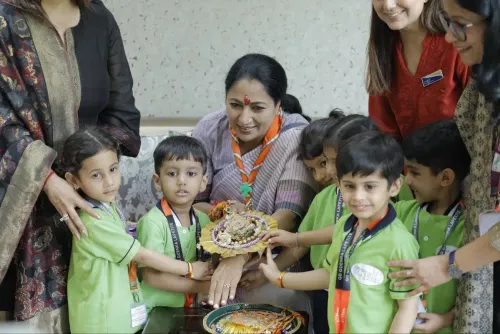
Delhi CM Rekha Gupta hosted street children at Mukhymantri Jan Sewa Sadan on 28 August for Raksha Bandhan .
Some children present had been recently enrolled in schools on the Chief Minister's direct orders.
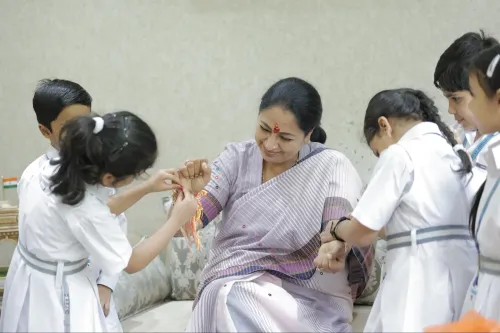
A day earlier, Gupta celebrated Raksha Bandhan with schoolgirls from across Delhi and shared her experience on X .
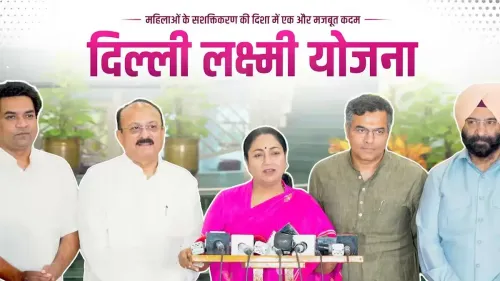
The events follow the launch of the Delhi Lakshmi Yojana , providing ₹2,500 per month via DBT to eligible women.
The government reaffirmed its resolve to support the education, well-being, and aspirations of vulnerable children in the capital.
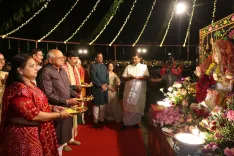
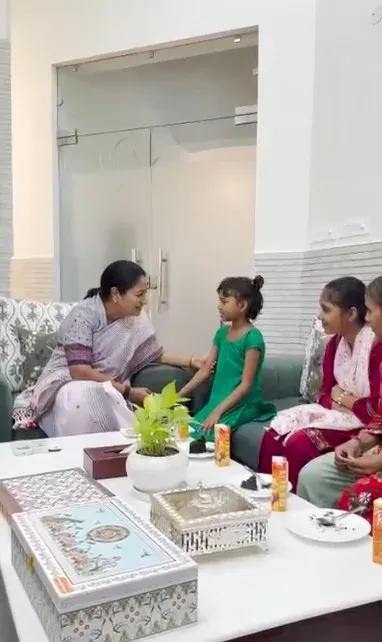
Delhi Chief Minister Rekha Gupta on Friday, 28 August welcomed street children to the Mukhymantri Jan Sewa Sadan for Raksha Bandhan, reaffirming the Delhi government's commitment to the education, well-being, and aspirations of the city's most vulnerable children. The event brought together children living on the streets in a moment of warmth and symbolic solidarity with the state's top executive.
Key Moments at the Celebration
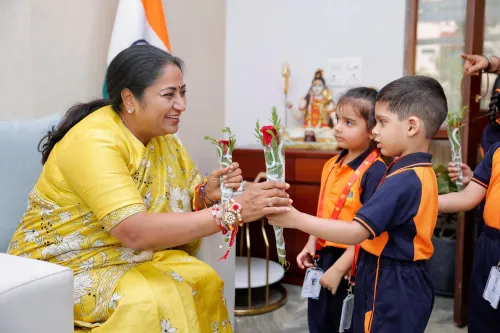
The children tied Rakhis on Chief Minister Gupta's wrist, with officials describing the occasion as one of 'warmth and affection.' Gupta interacted with each child, asking about their dreams and outlining government initiatives designed to support their futures. She told the children that 'every child deserves a chance to dream and the support to make it come true,' according to an official statement.
Notably, some of the street children present had been recently enrolled in schools on the Chief Minister's directions — a detail that underscores the event's policy dimension beyond its ceremonial significance.
A Day Earlier: Celebrations with Schoolchildren Across Delhi
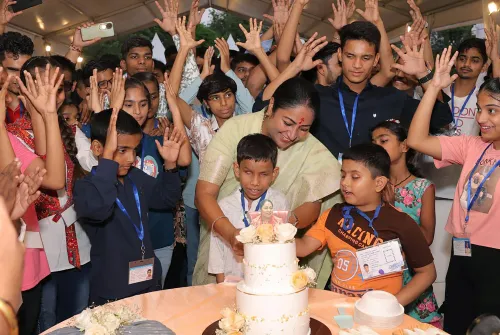
On Thursday, 27 August, Gupta had celebrated Raksha Bandhan with schoolgirls drawn from across the capital. Sharing her experience on social media platform X, she wrote: 'The joy of festivals among children is exceptional. Today, I celebrated Raksha Bandhan with my dear little friends who came from different parts of Delhi.' She added: 'They tied so many Rakhis with immense love, fed me sweets to their heart's content, and then began unlimited chatter, laughter, and heaps of mischief.' In a closing note to the children, she said: 'My children, this love of yours is no less than a blessing for me. May your smiles always bloom like this, may every opportunity come your way in your dreams, and may Delhi always remain safe and full of possibilities for you.'
Context: Delhi Lakshmi Yojana Launch
The Raksha Bandhan celebrations follow Chief Minister Gupta's launch of the 'Delhi Lakshmi Yojana', under which eligible women will receive monthly financial assistance of ₹2,500 through Direct Benefit Transfer (DBT). The scheme was announced a day before the schoolgirl celebration, positioning the two events as part of a broader outreach to women and children in the capital.
What This Signals for Delhi's Child Welfare Agenda
The back-to-back Raksha Bandhan events — first with schoolgirls, then with street children — reflect a deliberate effort by the Bharatiya Janata Party (BJP)-led Delhi government to foreground child welfare and women's empowerment in its early governance narrative. This comes amid the government's stated push to enrol out-of-school children and expand social security for women. How these symbolic gestures translate into measurable outcomes for Delhi's street children will be closely watched by child rights advocates in the months ahead.
Point of View
Street children the next — are carefully choreographed political optics, but the policy signal embedded in them is real: some of these children were enrolled in schools because the Chief Minister directed it, not because a scheme automatically caught them. That distinction matters. Delhi has tens of thousands of out-of-school children; individual interventions at high-visibility events cannot substitute for a systemic enrolment drive. The concurrent Delhi Lakshmi Yojana launch ties the welfare narrative together neatly, but both initiatives will be judged on delivery numbers, not festival photographs.
NationPress
12 Oct 2026
Frequently Asked Questions
Why did Delhi CM Rekha Gupta host street children on Raksha Bandhan?
Chief Minister Rekha Gupta invited street children to the Mukhymantri Jan Sewa Sadan on 28 August to celebrate Raksha Bandhan and reaffirm the Delhi government's commitment to their education and well-being. The event also highlighted that some of those children had been recently admitted to schools on her directions.
What is the Mukhymantri Jan Sewa Sadan?
The Mukhymantri Jan Sewa Sadan is the official public outreach residence of the Delhi Chief Minister, used for citizen interaction and government events. It served as the venue for the Raksha Bandhan celebration with street children on 28 August.
What did CM Rekha Gupta post on X about Raksha Bandhan?
Gupta shared her experience of celebrating Raksha Bandhan with schoolchildren from across Delhi on X, writing that the children 'tied so many Rakhis with immense love' and describing the occasion as 'no less than a blessing.' She expressed hope that Delhi would remain 'safe and full of possibilities' for them.
What is the Delhi Lakshmi Yojana announced by CM Rekha Gupta?
The Delhi Lakshmi Yojana is a scheme under which eligible women in Delhi will receive monthly financial assistance of ₹2,500 through Direct Benefit Transfer (DBT). It was launched by Chief Minister Gupta a day before the Raksha Bandhan school celebration on 28 August.
How does the Raksha Bandhan event connect to Delhi's child welfare policy?
The event signals the BJP-led Delhi government's intent to prioritise child welfare, with the Chief Minister having directed the enrolment of street children in schools. Advocates will watch whether these symbolic gestures are backed by a broader, systemic drive to bring out-of-school children into the education system.