CM Rekha Gupta Meets Bawana Residents at Jan Seva Sadan
Synopsis
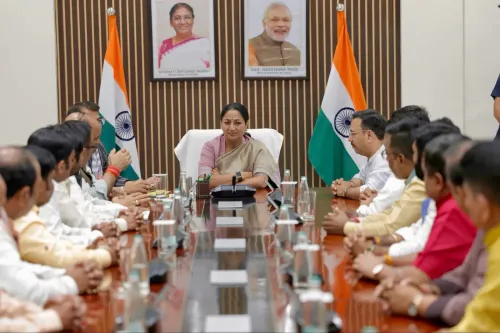
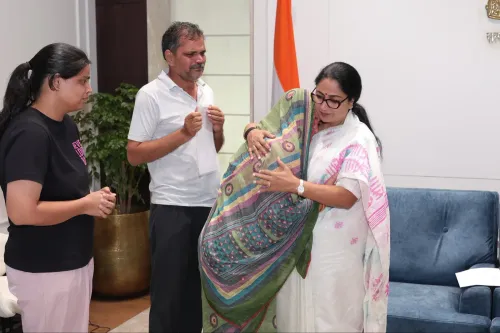
Delhi Chief Minister Rekha Gupta met citizens from Bawana Vidhan Sabha at the Mukhyamantri Jan Seva Sadan on 28 July 2026, heard their grievances, and assured time-bound resolution. Cabinet colleague Ravinder Indraj Singh was also present at the meeting.
Key Takeaways
Delhi CM Rekha Gupta held a direct public meeting with residents of Bawana constituency at Mukhyamantri Jan Seva Sadan on 28 July 2026 .
Citizens presented their civic and administrative grievances to the Chief Minister in person.
Gupta assured 'timely and effective' resolution of all issues raised.
Residents also invited the CM to a Deshori Karaj (Dharm Yagya) in memory of the late Master Dhaniram Saharawat .
Cabinet minister Ravinder Indraj Singh was present at the meeting.
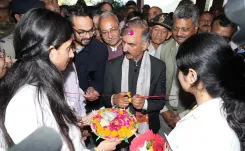
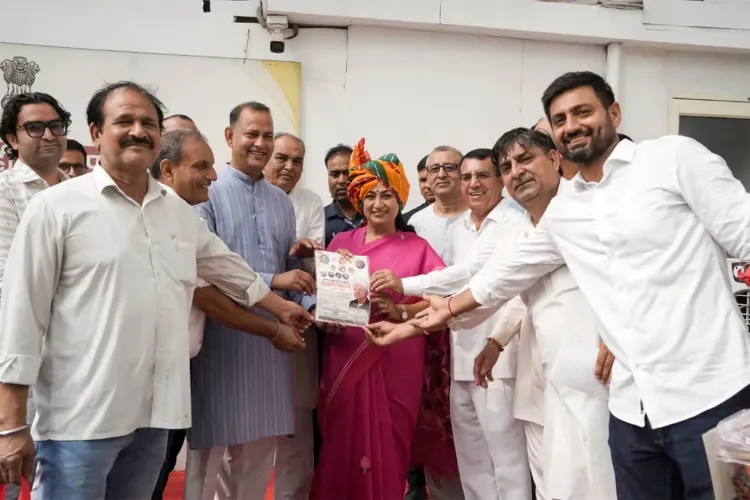
Doors open, grievances heard — Delhi Chief Minister Rekha Gupta sat down with citizens from Bawana constituency on Tuesday, 28 July 2026, at the Mukhyamantri Jan Seva Sadan, listening to their concerns and pledging time-bound action.
The visitors brought with them a range of civic and administrative problems — and also an invitation. They presented the Chief Minister with a letter for the Deshori Karaj (Dharm Yagya), a religious observance being held in the memory of the late Master Dhaniram Saharawat. Gupta accepted both the grievances and the invitation.
Bawana's Residents Get a Direct Line to the Top
Bawana is a Vidhan Sabha constituency in North West Delhi, home to a dense mix of industrial clusters, resettlement colonies, and working-class neighbourhoods whose residents frequently flag gaps in civic infrastructure. The Jan Seva Sadan format — a structured walk-in audience with the Chief Minister — is designed precisely to bridge that gap between the secretariat and the street.
Gupta assured those present that every necessary step would be taken for the 'timely and effective resolution' of their problems, in her words: 'समयबद्ध एवं प्रभावी समाधान' (time-bound and effective resolution). Cabinet colleague Ravinder Indraj Singh was also present at the meeting.
A Standard Format With a Real Test Ahead
Direct constituency-level outreach by chief ministers is a fixture of Indian state governance — a ritual of accountability that spans party lines. What distinguishes one such meeting from the next is what happens after the assurances. For Bawana's residents, the measure of Tuesday's audience will be in the follow-through: whether the issues logged at Jan Seva Sadan translate into actual administrative action on the ground.
Point of View
Particularly in constituencies that have historically leaned toward rival parties. Bawana, with its large working-class base, is politically significant territory for the BJP in Delhi. The presence of Cabinet minister Ravinder Indraj Singh alongside the CM suggests the party is treating this outreach as a coordinated political and administrative exercise, not a routine diary entry. The real test of this model is whether the assurances given in such forums feed into a trackable resolution pipeline — or remain symbolic.
NationPress
27 Oct 2026
Frequently Asked Questions
What is Mukhyamantri Jan Seva Sadan in Delhi?
Mukhyamantri Jan Seva Sadan is a public grievance forum where Delhi residents can meet the Chief Minister directly to raise civic and administrative issues and seek redressal.
Where is Bawana constituency located?
Bawana is a Vidhan Sabha constituency in the North West district of Delhi, known for its industrial areas and resettlement colonies.
Who is Ravinder Indraj Singh?
Ravinder Indraj Singh is a Cabinet colleague of Delhi Chief Minister Rekha Gupta who was present at the 28 July 2026 Jan Seva Sadan meeting with Bawana residents.
What is a Deshori Karaj or Dharm Yagya?
A Deshori Karaj, also referred to as a Dharm Yagya, is a religious observance or ritual ceremony; in this instance it was being organised in the memory of the late Master Dhaniram Saharawat.
What did Delhi CM Rekha Gupta promise Bawana residents?
CM Rekha Gupta assured Bawana residents that every necessary step would be taken for the timely and effective resolution of their grievances raised at the Jan Seva Sadan.