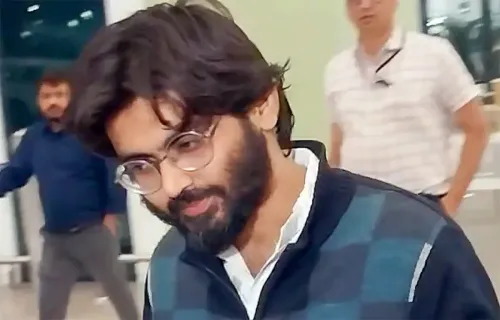
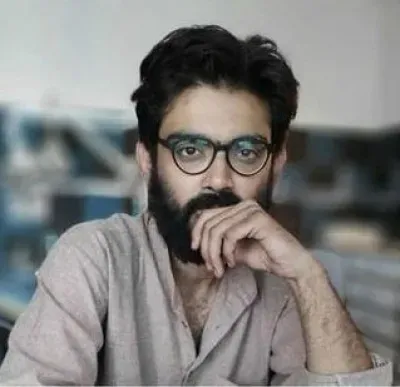
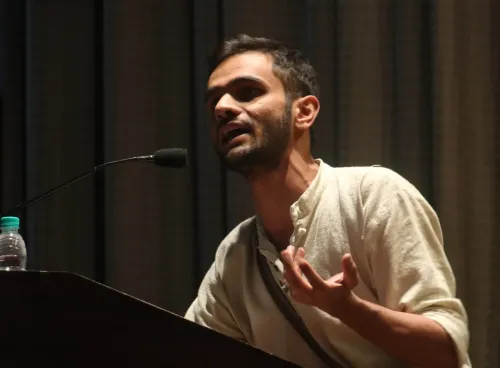
Delhi court rejects bail pleas of Umar Khalid, Sharjeel Imam in 2020 riots case
Synopsis
For the second time, a Delhi trial court has shut the door on bail for Umar Khalid and Sharjeel Imam — nearly six years into their custody and with the 2020 northeast Delhi riots conspiracy trial yet to frame charges. The ruling underscores how UAPA's Section 43D(5) continues to function as a near-absolute bar, even as five co-accused in the same case have already walked free on bail.
Key Takeaways
Karkardooma Court's ASJ Sameer Bajpai rejected the regular bail pleas of Umar Khalid and Sharjeel Imam on 4 July .
Both accused have been in custody for nearly six years in the 2020 northeast Delhi riots conspiracy case.
The case is registered under the Unlawful Activities (Prevention) Act (UAPA) and other penal provisions.
The Supreme Court had earlier this year also rejected their bail, citing Section 43D(5) of the UAPA .
Five co-accused — Gulfisha Fatima, Meeran Haider, Shifa Ur Rehman, Mohd Saleem Khan , and Shadab Ahmed — were granted bail by the Supreme Court in the same case.
The trial remains at the charge-framing stage ; Khalid and Imam may now approach the Delhi High Court .
A Delhi court on Saturday, 4 July rejected the regular bail applications of Umar Khalid and Sharjeel Imam in the larger conspiracy case stemming from the February 2020 northeast Delhi riots. The two accused have been lodged in custody for nearly six years in a case registered under the Unlawful Activities (Prevention) Act (UAPA) and other penal provisions.
Court's Decision
Additional Sessions Judge (ASJ) Sameer Bajpai of the Karkardooma Court dismissed both bail pleas after hearing arguments from either side. The applications, filed separately by Khalid and Imam, were heard together by the court. Last month, the trial court had issued notice on the pleas and directed the Delhi Police to file its response before proceeding.
Arguments Raised by the Accused
In his bail application, Sharjeel Imam contended that more than six months had elapsed since the Supreme Court rejected his bail plea in January, yet no meaningful progress had been made in the trial. He submitted that arguments on the framing of charges were yet to conclude, and that he had spent nearly six years behind bars in the matter. Umar Khalid similarly sought regular bail before the trial court, citing the prolonged pre-trial detention.
Supreme Court's Earlier Ruling
Earlier this year, the Supreme Court had dismissed the bail applications of both Khalid and Imam, holding that the prosecution material disclosed prima facie grounds attracting the statutory embargo on bail under Section 43D(5) of the UAPA — a provision that sets a high threshold for bail in terror-related cases. Notably, the apex court simultaneously granted bail to five other co-accused in the same case: Gulfisha Fatima, Meeran Haider, Shifa Ur Rehman, Mohd Saleem Khan, and Shadab Ahmed.
Background of the Case
The case relates to the alleged larger conspiracy behind the communal violence that swept northeast Delhi in February 2020, leaving over 50 people dead and hundreds injured. Investigators have pursued the matter under UAPA provisions, which treat alleged conspiracy to incite violence as an unlawful activity. This is at least the second time a regular bail plea by Khalid and Imam has been turned down at the trial court level, following earlier rejections at the Supreme Court. The trial itself remains at the pre-charge-framing stage, raising questions about the pace of proceedings in UAPA matters — a concern flagged by the accused and, in broader contexts, by legal observers.
What Happens Next
With the Karkardooma Court rejecting the bail pleas, Khalid and Imam may challenge the order before the Delhi High Court. The trial is expected to continue with arguments on the framing of charges. The pace of the proceedings will remain under scrutiny, given that the accused have been in custody for close to six years without the trial reaching a conclusion.
Point of View
With charge framing still incomplete, raises accountability questions that go beyond this case. The Supreme Court's own bail jurisprudence has evolved toward recognising prolonged incarceration as a ground for relief, yet Section 43D(5) continues to function as a near-impenetrable wall. Whether the Delhi High Court will read the delay itself as a mitigating factor is the real question mainstream coverage is not asking.
NationPress
3 Oct 2026
Frequently Asked Questions
Why were Umar Khalid and Sharjeel Imam denied bail?
The Karkardooma Court rejected their bail pleas on 4 July in the 2020 northeast Delhi riots conspiracy case registered under UAPA. The Supreme Court had earlier held that prosecution material disclosed prima facie grounds attracting the statutory bar on bail under Section 43D(5) of the UAPA, and the trial court followed that reasoning.
How long have Umar Khalid and Sharjeel Imam been in custody?
Both accused have been behind bars for nearly six years in the case. Sharjeel Imam specifically submitted in his bail plea that despite this prolonged detention, the trial has not yet concluded arguments on the framing of charges.
What is Section 43D(5) of the UAPA?
Section 43D(5) of the Unlawful Activities (Prevention) Act sets a high threshold for bail in cases involving scheduled offences under the Act. A court cannot grant bail if, on a perusal of the case diary or report, it is of the opinion that there are reasonable grounds to believe the accusation is prima facie true — making bail exceptionally difficult to obtain.
Were any co-accused in the same case granted bail?
Yes. The Supreme Court granted bail to five co-accused — Gulfisha Fatima, Meeran Haider, Shifa Ur Rehman, Mohd Saleem Khan, and Shadab Ahmed — even as it denied the same relief to Umar Khalid and Sharjeel Imam earlier this year.
What are the next legal options for Umar Khalid and Sharjeel Imam?
Following the Karkardooma Court's rejection, both accused can challenge the order before the Delhi High Court. The trial is expected to continue with arguments on framing of charges at the trial court level.