Jantar Mantar NEET protests: Delhi govt drops FIRs against genuine student protesters
Synopsis
The Delhi government has formally shut the door on legal proceedings against genuine NEET student protesters at Jantar Mantar, invoking Supreme Court orders and LG consent. With 13 FIRs registered but now effectively shelved for bona fide students, the move draws a sharp line between peaceful protesters and those with criminal antecedents — a distinction that will now define how Delhi Police proceeds.
Key Takeaways
The Delhi government announced on 30 July that genuine student protesters at Jantar Mantar will face no legal action over NEET-UG demonstrations.
13 FIRs were registered in connection with the protests; cases against bona fide students will be treated as closed.
Protection does not extend to individuals with criminal antecedents , as per the Supreme Court's order of 28 July .
The decision was taken with the consent of Lieutenant Governor T.S.
Delhi Police is separately preparing legal action against protest participants with prior criminal records.
The protests ran for 36 days before being withdrawn; alleged police excesses on 20 July sparked a parliamentary uproar.
The Delhi government on 30 July announced that genuine student participants in the Jantar Mantar protests over alleged irregularities in the NEET-UG examination will face no legal action, and those already arrested or detained will be released without delay. A Delhi Home Department official confirmed the decision on Thursday, offering significant relief to students with no criminal background.
Key Developments
A circular issued by Santosh D. Vaidya, Principal Secretary, Home, Delhi government, stated that 13 FIRs had been registered in connection with the protests. The circular made clear that no adverse legal action would be initiated by any police authority within the National Capital Territory of Delhi against those who participated in the demonstrations.
'No adverse legal action will be taken by any of the police authorities within the National Capital Territory of Delhi against those persons who have been involved in these protests,' Vaidya said in the official statement.
Who Is Protected — and Who Is Not
The relief, however, is not blanket. The circular explicitly states that the protection 'shall not extend to persons having criminal antecedents, as mandated in the order of the Supreme Court.' Simultaneously, Delhi Police has begun preparing to pursue legal action against all individuals with prior criminal records who joined the protests.
The decision was taken with the consent of Lieutenant Governor T.S. Sandhu, the highest authority on law and order in the city and over Delhi Police. It followed careful consideration of the Supreme Court's order dated 28 July in the case of Shailendra Mani Tripathi versus Union of India.
What the Government Said
'The Government of NCT of Delhi does not propose to take any further adverse action against the individuals involved in the protests, and the matter shall be treated as closed without any future proceedings on this account,' the official statement said.
This effectively closes the chapter on FIRs against bona fide student protesters, subject to the Supreme Court's conditions.
Background: 36 Days of Protest and the July 20 Crackdown
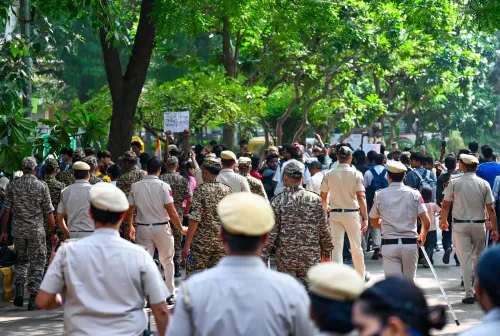
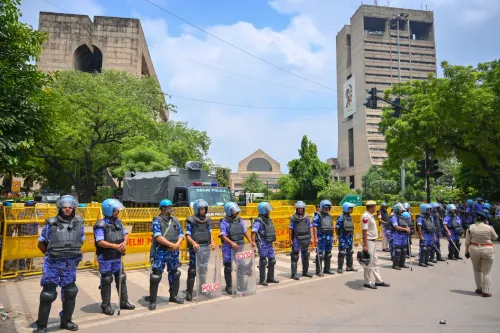
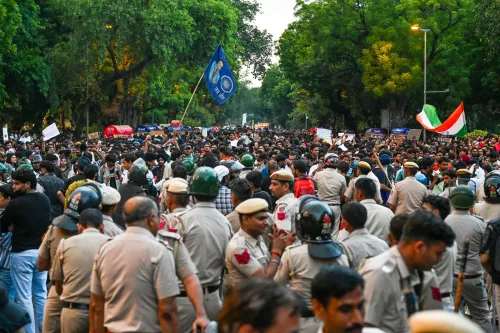
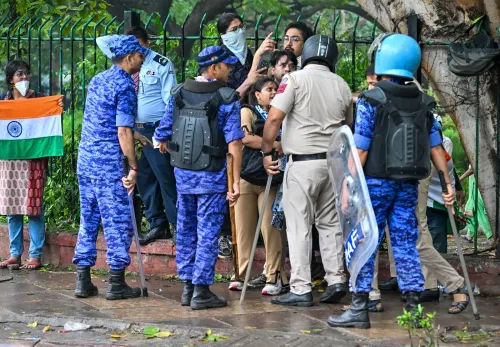
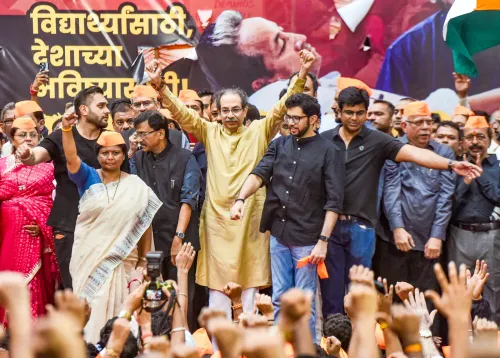
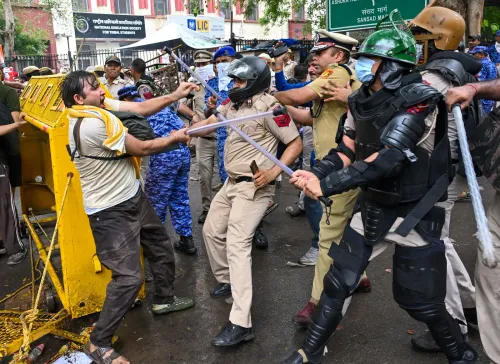
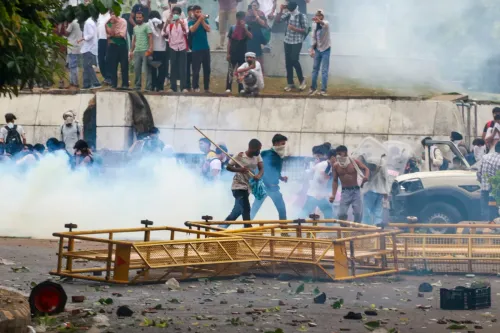
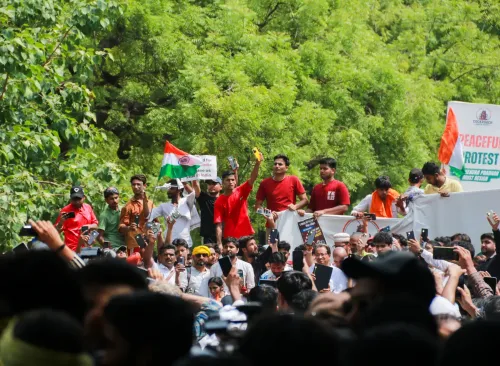
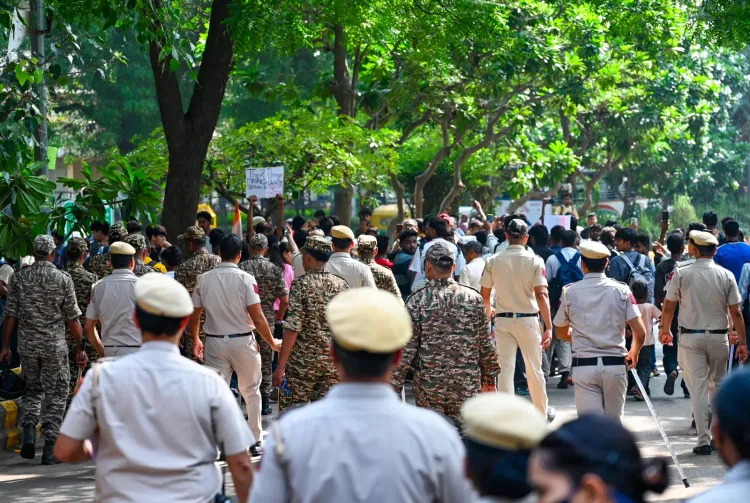
The protests at Jantar Mantar, which ran for 36 days before being withdrawn on Saturday, centred on demands for accountability over alleged irregularities in the NEET-UG examination. On 20 July, police used force to prevent what authorities described as lawlessness in the high-security zone — an action that drew sharp criticism.
The alleged police excesses on 20 July triggered an uproar in Parliament, with the Opposition targeting the Union government during the debate on the Public Examinations (Prevention of Unfair Means) Amendment Bill, 2026. The incident added political weight to what had begun as a student-led grievance movement.
What Happens Next
With the Delhi government formally closing proceedings against genuine student protesters, attention now shifts to the Supreme Court's continued oversight of the matter and Delhi Police's parallel action against those with criminal antecedents. The NEET-UG controversy itself remains unresolved, and student groups are likely to watch closely whether the examination reform demands are addressed through legislative or administrative channels.
Point of View
It insulates itself from accusations of either overreach or inaction. The real question is whether the NEET-UG irregularities that triggered 36 days of protest will receive the same urgency as the FIR cleanup — or whether due process for students ends here, with the underlying examination grievance quietly shelved. The distinction drawn between 'genuine students' and those with 'criminal antecedents' also warrants scrutiny: who determines that classification, and under what transparent criteria, remains unaddressed in the circular.
NationPress
14 Sept 2026
Frequently Asked Questions
Will Jantar Mantar NEET protest students face legal action?
No. The Delhi government has announced that genuine student participants with no criminal background will face no legal action, and those arrested or detained will be released. The matter has been formally declared closed for bona fide protesters.
How many FIRs were registered over the Jantar Mantar NEET protests?
A total of 13 FIRs were registered in connection with the NEET-UG protests at Jantar Mantar. The Delhi government has stated it will not pursue further proceedings against genuine student participants.
Who is not protected under the Delhi government's order?
Individuals with criminal antecedents who joined the protests are excluded from the relief. Delhi Police is separately preparing to pursue legal action against such individuals, as mandated by the Supreme Court's order dated 28 July.
What role did the Supreme Court play in this decision?
The Delhi government's decision was taken pursuant to the Supreme Court's order dated 28 July in the case of Shailendra Mani Tripathi versus Union of India. The court's order set the framework distinguishing genuine protesters from those with criminal backgrounds.
What sparked the Jantar Mantar NEET protests?
The protests were organised over alleged irregularities in the NEET-UG examination and ran for 36 days before being withdrawn. Alleged police use of force on 20 July drew further attention and triggered debate in Parliament during discussion on the Public Examinations (Prevention of Unfair Means) Amendment Bill, 2026.