Jantar Mantar NEET protests: Delhi govt to pursue cases only against those with criminal antecedents
Synopsis
Delhi's Home Department has drawn a clear legal line through the Jantar Mantar protest crowd: genuine students walk free, but those with prior criminal records face prosecution — a distinction mandated by the Supreme Court. With 13 FIRs on record and Parliament already inflamed over alleged police excesses on 20 July, the NEET-UG controversy is far from over.
Key Takeaways
Delhi Police on 30 July began preparing cases against protesters with prior criminal records who participated in the Jantar Mantar NEET-UG demonstrations.
13 FIRs were registered in connection with the protests over alleged NEET-UG examination irregularities.
Genuine student protesters with no criminal background will face no adverse legal action ; those arrested or detained are to be released promptly.
The decision was taken with the consent of Lieutenant Governor T.S.
Sandhu and follows the Supreme Court's order of 28 July in Shailendra Mani Tripathi versus Union of India.
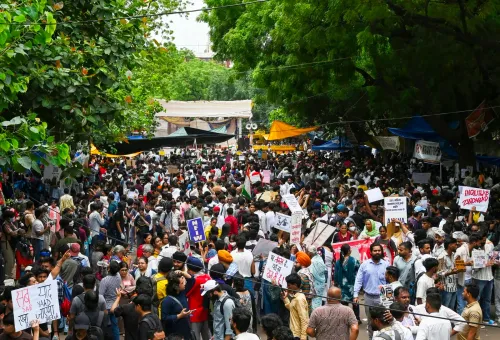
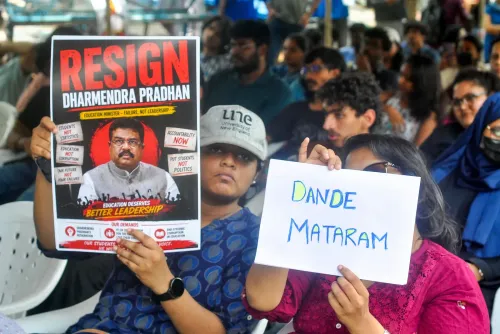
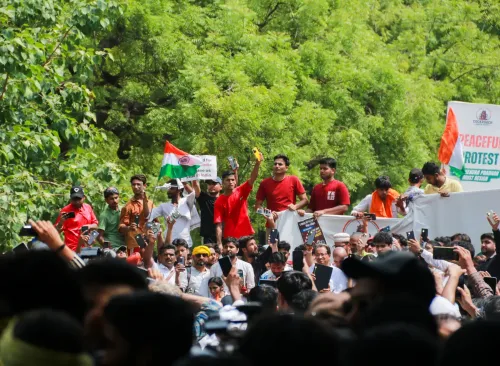
The protests lasted 36 days and were withdrawn on Saturday; alleged police excesses on 20 July sparked an uproar in Parliament.
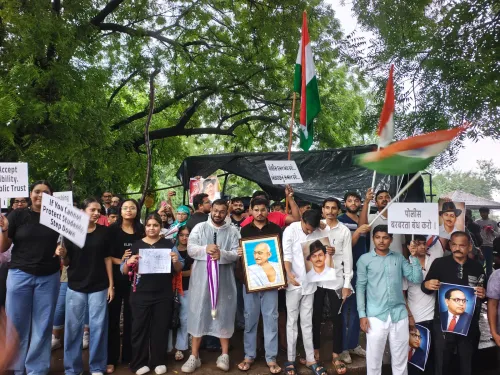
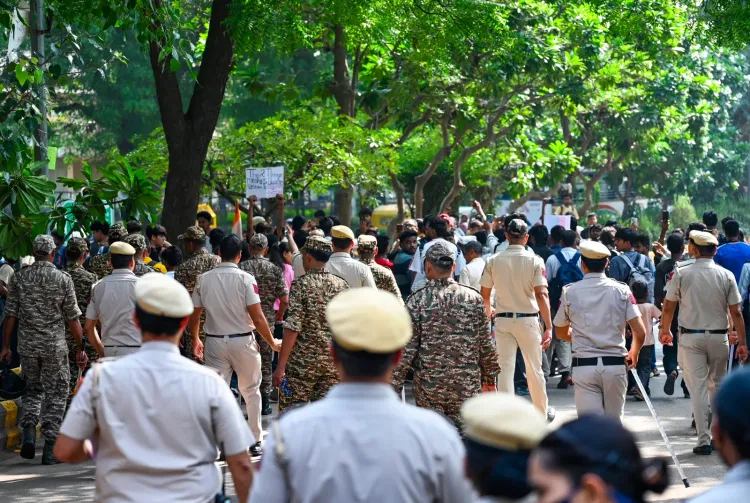
Delhi Police on Thursday, 30 July began preparing legal proceedings exclusively against individuals with prior criminal records who had joined the Jantar Mantar student protests earlier this month, a senior government official confirmed. Genuine student demonstrators, according to the Delhi government's Home Department, will face no adverse legal action and those already arrested or detained are to be released promptly.
What the Government Circular Says
A circular issued by Principal Secretary (Home) Santosh D. Vaidya confirmed that 13 First Information Reports (FIRs) had been registered in connection with protests over alleged irregularities in the NEET-UG examination. Vaidya stated, 'No adverse legal action will be taken by any of the police authorities within National Capital Territory of Delhi against those persons who have been involved in these protests.'
He added, however, that 'the protection shall not extend to persons having criminal antecedents, as mandated in the order of the Supreme Court.'
Lieutenant Governor's Consent and Supreme Court Order
The decision to close cases against protesters with no criminal background was taken with the consent of Lieutenant Governor T.S. Sandhu, who holds the highest authority over law and order in the capital and over Delhi Police. The move follows the Supreme Court's order dated 28 July in the case of Shailendra Mani Tripathi versus Union of India.
An official statement from the Government of NCT of Delhi said: 'The Government of NCT of Delhi does not propose to take any further adverse action against the individuals involved in the protests, and the matter shall be treated as closed without any future proceedings on this account.'
Background: 36 Days of Protest and the July 20 Crackdown
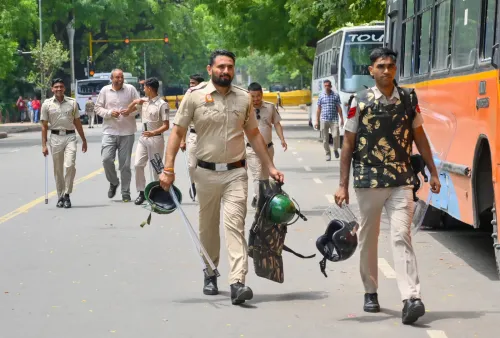
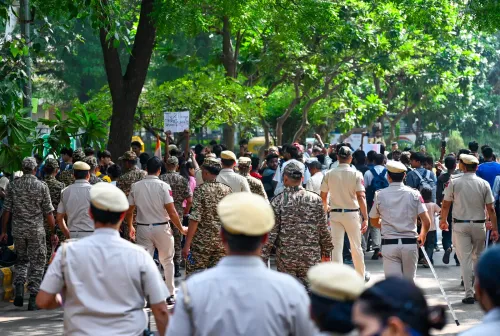
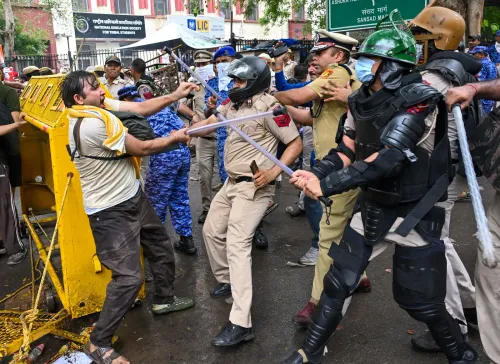
The demonstrations, centred on alleged irregularities in the NEET-UG exam, ran for 36 days before being withdrawn on Saturday. On 20 July, police used force to prevent what officials described as lawlessness in the high-security zone around Jantar Mantar. The alleged police excesses on that date triggered a sharp debate in Parliament, with Opposition members targeting the Union government during discussions on the Public Examinations (Prevention of Unfair Means) Amendment Bill, 2026.
Impact on Students and What Happens Next
The distinction drawn by the Delhi government — between genuine student protesters and those with prior criminal records — offers significant relief to the bulk of demonstrators. Notably, this separation was not self-initiated by the government but was directed by the Supreme Court, lending the decision a judicial mandate rather than a purely political character.
With the protest formally withdrawn and cases against genuine students set to be dropped, attention is likely to shift to the broader demand that triggered the agitation: accountability for alleged irregularities in the NEET-UG examination and the fate of the amendment bill currently before Parliament.
Point of View
But the fine print is doing most of the work — the relief for genuine students was not a voluntary gesture; it was court-directed. Thirteen FIRs remain on record, and the 'criminal antecedents' carve-out gives authorities room to pursue individuals selectively. The deeper issue — accountability for alleged NEET-UG irregularities — remains unresolved, and the Opposition's use of the 20 July police action as a parliamentary flashpoint signals that the political fallout from this episode is not yet spent.
NationPress
14 Sept 2026
Frequently Asked Questions
What did the Delhi government decide about the Jantar Mantar protest FIRs?
The Delhi government decided to drop cases against genuine student protesters with no criminal background, treating the matter as closed with no future proceedings. However, individuals with prior criminal records who joined the protests will continue to face legal action, as directed by the Supreme Court.
How many FIRs were registered in connection with the NEET-UG protests at Jantar Mantar?
A total of 13 FIRs were registered by Delhi Police in connection with the protests over alleged irregularities in the NEET-UG examination. The circular issued by Principal Secretary (Home) Santosh D. Vaidya confirmed this figure.
What role did the Supreme Court play in this decision?
The Supreme Court's order dated 28 July in the case of Shailendra Mani Tripathi versus Union of India provided the legal basis for distinguishing between genuine protesters and those with criminal antecedents. The Delhi government's decision was taken pursuant to that order.
Who approved the decision to provide relief to student protesters?
The decision was taken with the consent of Lieutenant Governor T.S. Sandhu, the highest authority on law and order in Delhi and over Delhi Police, after careful consideration of all circumstances.
What triggered the Jantar Mantar protests and how long did they last?
The protests were organised over alleged irregularities in the NEET-UG examination and lasted 36 days before being withdrawn on Saturday. Alleged police use of force on 20 July drew sharp criticism and sparked a debate in Parliament during discussions on the Public Examinations (Prevention of Unfair Means) Amendment Bill, 2026.